
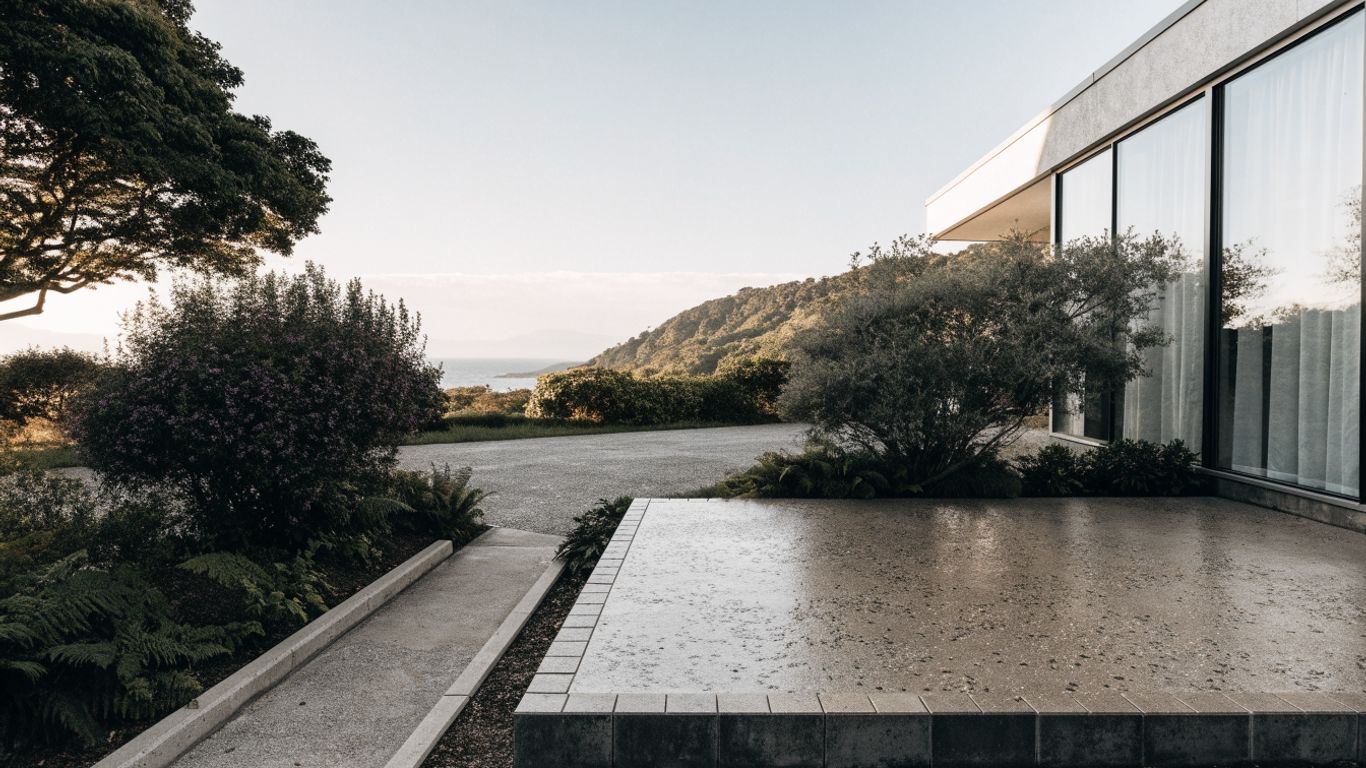
Best rated concrete sealers Tauranga: 10 things to check before you choose
Best rated concrete sealers Tauranga: compare surface fit, finish, coastal exposure, grip, prep, and care.
Published 29 October 2026
Key Takeaways
Choosing a concrete sealer starts with the surface and how you use it, not a star rating alone. In Tauranga, local exposure, finish, grip, and preparation all affect the decision.
- Match the sealer to the concrete and its intended use.
- Compare penetrating and film-forming products by the protection and finish you need.
- Account for coastal exposure, wet grip, and the sheen you prefer.
- Check coverage, preparation, application conditions, and maintenance requirements.
- Seek a site-specific assessment when the slab or traffic demands a tailored approach.
1. Match the sealer to your concrete surface
Start by identifying the concrete you want to protect: a driveway, patio, interior floor, path, or pool surround can each face different conditions. A product intended for one use may not suit another, even if its label says it works on concrete. Check the stated applications and confirm that they match both the surface and the way people use it.
The slab’s current condition matters, too. New, porous concrete, an older surface with stains, and previously coated concrete can respond differently to the same product. Before choosing, note whether the surface has cracks, uneven areas, residue, or an existing finish that could affect adhesion or absorption. The surface comes first; a sealer cannot correct a poor slab or replace needed repairs.
A simple comparison can help narrow the questions to ask before buying. Treat the table as a starting point, then check the manufacturer’s instructions for the exact product you are considering.
| Concrete area | Main consideration | Check before choosing |
|---|---|---|
| Driveway | Vehicle traffic and weather exposure | Intended use and surface preparation |
| Patio or path | Rain, dirt, and everyday foot traffic | Finish and wet-grip guidance |
| Pool surround | Frequent wet conditions | Suitability for the area and slip resistance |
| Interior floor | Appearance and regular cleaning | Indoor use, ventilation, and cure time |
These are prompts, not a substitute for product-specific instructions. If you are uncertain about an existing coating or the slab’s condition, get advice before applying a new sealer.
2. Choose between penetrating and film-forming sealers
A penetrating sealer soaks into the concrete rather than forming a distinct surface film. Depending on the product, it may leave the appearance relatively unchanged, which can suit someone who wants protection without a prominent gloss. Check the label for the protection it claims and the surfaces it is designed for; the category alone does not answer every performance question.
A film-forming sealer leaves a layer at the surface and may change the appearance or sheen. That can be desirable when you want a more noticeable finish, but it also makes application quality and surface preparation especially important. Confirm that the product is suitable for the location, expected traffic, and conditions where it will be applied.
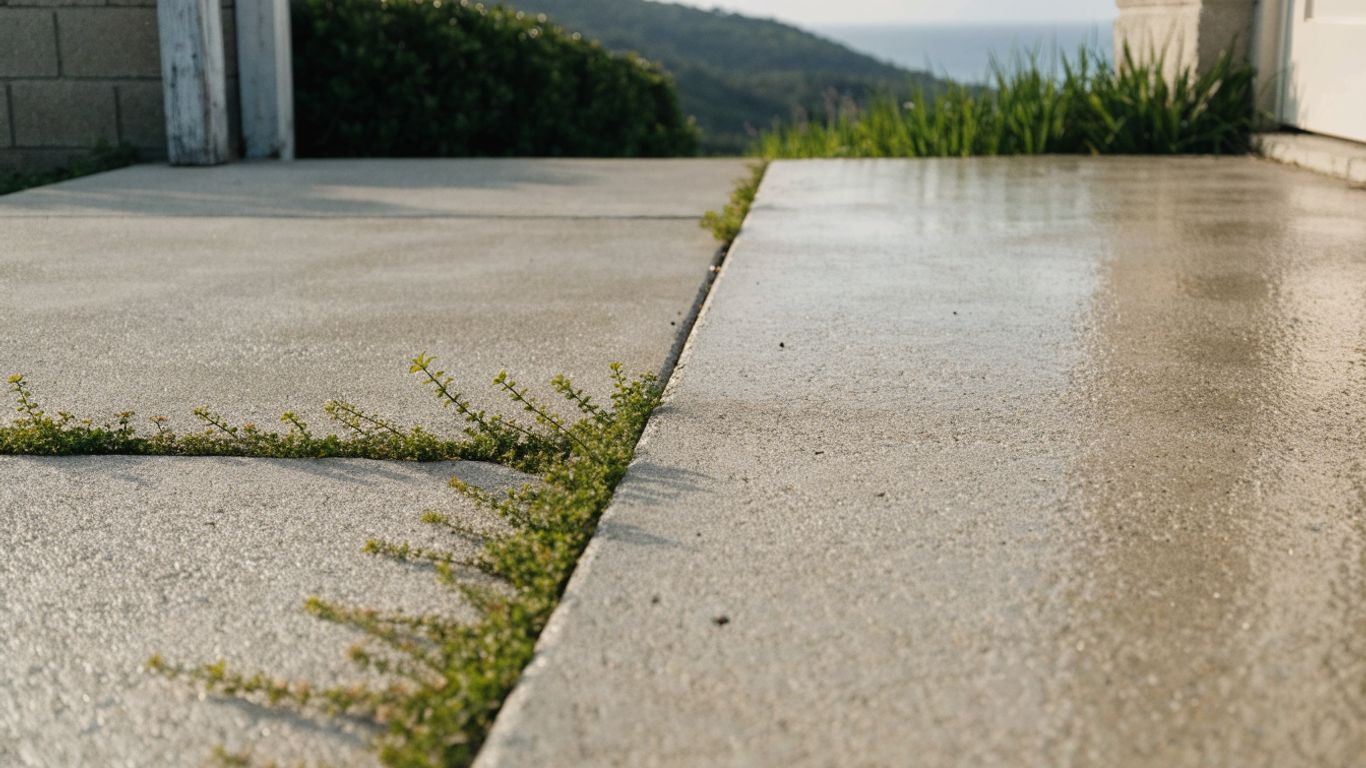
Rather than deciding by type name alone, compare the product instructions and the result you want on your own concrete. A small test area, where appropriate and permitted by the instructions, can help reveal how the slab takes the product before you commit to the full surface.
3. Consider Tauranga’s coastal conditions
Coastal concrete can face salt air, windblown sand, strong UV, and standing water. These exposures can affect how long a sealer remains effective, so a product that works well in a sheltered setting may need closer consideration on an exposed driveway or pool surround. Look for instructions and claims that address the conditions your surface actually faces.
Think about the specific location rather than relying on the word “coastal” as a catch-all. A covered patio, an open path near the water, and a driveway that collects puddles will not experience the same combination of weather and wear. Grinding Dynamics describes its concrete sealing service in Tauranga as selecting eco- or solvent-based sealers to suit the space, preparing the surface, and helping it resist stains, salt, and weathering.
The local climate is one part of the decision; drainage and maintenance matter as well. If water sits on the concrete, consider whether the area needs drainage attention rather than expecting sealer to solve the problem. For product-specific guidance, compare the stated uses with the actual exposure and follow the maker’s application and reapplication instructions.
4. Decide on the finish and level of sheen
Sealers can leave concrete looking close to its natural state or give it a more noticeable sheen, depending on the product and the slab. Decide whether you want to preserve the existing appearance, deepen the color, or create a more reflective look. The label’s finish description is useful, but it does not guarantee that every slab will look the same.
Concrete varies in color, texture, porosity, and previous treatment. Those differences can influence how a sealer appears once applied. If appearance is a major part of the decision, ask whether a test patch is suitable and judge it on the actual concrete in the light where it will be seen.
Also consider how the finish will look after regular use. A high-sheen surface may show marks differently from a low-sheen one, while the cleaning routine and level of traffic can affect how the finish presents over time. Choose a result you are prepared to maintain, not just the one that looks appealing in a product photograph.
5. Check slip resistance for paths and driveways
A sealed surface that becomes wet needs careful thought, particularly on paths, ramps, steps, driveways, and pool surrounds. Ask how the product affects grip and whether its instructions recommend an additive or another treatment for the intended use. Do not assume a shiny or textured appearance tells you how safe the surface will be underfoot.
Where wet grip is a key concern, surface texture may be a more appropriate conversation than sealer choice alone. Grinding Dynamics applies the approved PeterFell TextureSafe System for concrete texturing; its wet-grip texturing information describes applications such as steps, ramps, pool surrounds, and driveways. That is a distinct approach from relying on a coating to provide grip.
Consider who uses the area and when it is likely to be wet. A route used by children, older adults, or the public may need a more deliberate assessment than a seldom-used, sheltered path. Confirm the product or treatment is appropriate for the location, and follow any guidance on testing and ongoing care.
6. Compare product ratings and review details
Ratings can help identify products worth investigating, but a high score is not proof that a sealer suits your slab. Look for reviews that explain where and how the product was used, what the surface was like beforehand, and how long the reviewer has observed the result. A brief rating without context tells you little about performance on a different concrete surface.
Give more weight to details that match your project: indoor or outdoor use, exposure to rain or sun, traffic levels, preparation, and the finish achieved. Product comparisons can help you understand the range of sealer types, but read them as general guidance rather than a verdict for your particular surface. Check the concrete sealer options described for different settings, then verify each product’s own label and technical instructions.
Finally, note whether a review mentions application conditions, cure time, or maintenance after sealing. Those details can explain why two people report different experiences with products from the same category. Use reviews to form better questions, not to skip checking suitability and instructions.
7. Confirm coverage and application requirements
Before purchase, work out the area to be sealed and compare it with the stated coverage. Coverage can vary with the product, the condition and porosity of the concrete, and the number of coats required. Treat the packaging figure as an estimate to verify against the product’s instructions, rather than assuming one container will cover every slab equally.
A quick pre-purchase check can prevent avoidable surprises. Confirm these points on the label or product information:
- Whether the product is intended for your concrete surface and location.
- The stated coverage and number of coats.
- Required application tools and any mixing instructions.
- Temperature, weather, and drying or curing conditions.
Once you have those details, consider whether the work can be scheduled around the stated conditions. Rain, temperature, and access to the area can affect when application is practical, while the instructions specify when the surface can be used again. If the label leaves an important question unanswered, ask the supplier or applicator before starting.
8. Prepare the concrete before sealing
Preparation is part of the result, not a minor step to rush through. Dirt, grease, loose material, old sealer, or other residue can interfere with the product’s contact with the concrete. The method needed depends on the surface and the sealer, so follow the product directions rather than choosing a cleaning or removal method by guesswork.
Check for defects and contamination before applying anything. Cracks, damaged areas, and old coatings may need separate attention, and a surface that looks clean can still have residue that affects the work. Grinding Dynamics provides concrete grinding in Tauranga for coating preparation, leveling, and coating or adhesive removal, with dust-controlled work described for homes and commercial sites.
Allow the concrete to meet the product’s requirements for cleanliness, dryness, and age. Avoid sealing over damp concrete unless the instructions specifically allow it, and do not assume that a freshly cleaned surface is ready immediately. When preparation is uncertain, get an assessment before committing to the sealer and application plan.
9. Compare durability, maintenance, and reapplication needs
A sealer is not a one-time answer to every source of wear. Traffic, sunlight, moisture, cleaning practices, and the condition of the slab all affect how a surface performs over time. Compare the product’s stated durability and care guidance, and treat any broad lifespan estimate as dependent on the conditions at your property.
Think about the maintenance routine you can realistically keep up with. Some products may call for periodic checks or reapplication, and a worn or damaged finish may need preparation before another coat. Keep the product details and application date so future maintenance decisions are based on what was used, rather than memory alone.
Inspect the concrete occasionally for changes such as uneven appearance, water behavior, or areas where the finish seems to have worn. These signs do not automatically mean the whole surface needs resealing; identify the cause and check the manufacturer’s guidance first. A sensible maintenance plan protects the work without applying more product than the surface needs.
10. Get a local quote for complex or high-traffic areas
A straightforward, sound slab may be manageable as a do-it-yourself project if the chosen product and instructions suit it. A large driveway, a busy commercial area, damaged concrete, or a surface with an unknown coating can be harder to assess. In those cases, a site-specific opinion can help clarify preparation, product suitability, access, and timing before work begins.
When comparing quotes, ask what surface preparation is included, which type of sealer is proposed, and what assumptions have been made about the slab. Also confirm whether repairs, test areas, or additional coats are part of the scope. Grinding Dynamics offers a no-obligation quote for its concrete sealing work in Tauranga, with the sealer selected to suit the space and the surface prepared as part of the service.
A useful quote should make the proposed work understandable, not just give a total price. Share how the area is used, what exposure it gets, and any known history of coatings or repairs. That context helps the assessment focus on a suitable result rather than a generic product recommendation.
Conclusion
The best rated concrete sealers Tauranga homeowners and property managers consider are not automatically the right choice for every slab. Match the product to the surface, exposure, desired finish, and maintenance you can manage; then check its instructions and prepare the concrete properly. For complex or heavily used areas, a local assessment can help turn those considerations into a clear plan.
Frequently Asked Questions
How do I choose a concrete sealer?
Start with the concrete’s location, condition, and intended use. Then compare products by their stated suitability, finish, application requirements, and maintenance guidance.
What is the difference between penetrating and film-forming sealers?
Penetrating sealers enter the concrete rather than leaving a distinct film at the surface. Film-forming sealers create a surface layer and may have a more noticeable effect on appearance.
Does a concrete sealer make a surface slip-resistant?
Not necessarily. Check the product’s slip-resistance guidance for the intended location, especially for areas that are regularly wet, and consider whether a separate texture treatment is more suitable.
Can I seal concrete that already has a coating?
It depends on the existing coating and the new product. Identify what is on the concrete and follow the manufacturer’s preparation and compatibility instructions before applying another sealer.
How much sealer will I need?
Estimate the surface area, then compare it with the product’s stated coverage and coat requirements. Concrete porosity and condition can affect actual coverage, so allow for the product’s instructions.
How should concrete be prepared before sealing?
The surface generally needs to meet the product’s requirements for cleanliness and condition. Remove or address residue and old coatings using a method appropriate to the slab and sealer, and confirm that the concrete is ready for application.
How often should sealed concrete be resealed?
There is no single interval that suits every surface. Follow the product’s maintenance guidance and consider exposure, traffic, and observed wear when deciding whether resealing is needed.