Finishes
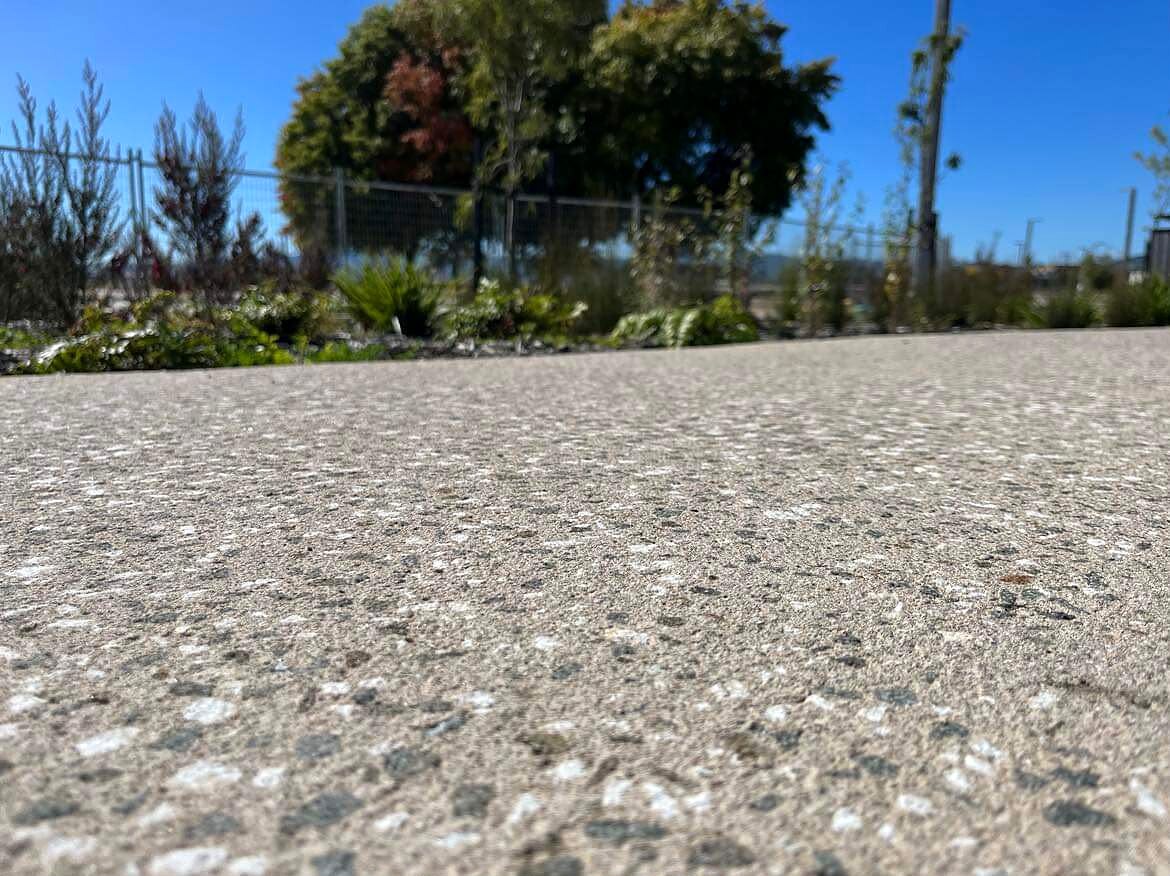
What Tauranga aggregate looks like when you cut it
The stone was decided at the pour. The depth is the decision you still have. What local aggregate looks like at each of the five exposures we cut to.
9 minute read

Writing
What decides how a floor turns out, written down plainly by the people cutting it.
What this is
These are working notes from a Tauranga applicator, written for the two people who usually need them. The first is a homeowner deciding what to put on the floor and trying to work out whether concrete is the right answer, what the finish will actually look like once it is cut, and what it will be like to live on in ten years. The second is a builder or site manager programming a slab, who needs to know what to send before the pour, how to protect the floor through the build, and when in the programme the grinder should arrive.
Everything here comes off jobs. Why a floor turns out patchy, what a test grind on your own slab tells you that a photograph cannot, how colour has to be batched before the truck leaves the plant, and what sealing a floor near the coast asks of the system you choose. Where a post reaches the limit of what writing can do, it says so, because most of these decisions are settled by looking at concrete rather than reading about it.
If you are deciding on a floor, start with the finishes compared side by side or with polished concrete in Tauranga. If you are building one, the builders and specifiers portal holds the pre pour checklist and the specification pack.
Approved PeterFell C2 Applicator
Approved TextureSafe Applicator
Twenty-Five Years Combined Experience
Finishes
The stone was decided at the pour. The depth is the decision you still have. What local aggregate looks like at each of the five exposures we cut to.
9 minute read

For builders
Colour goes into the mix at the plant, not onto the floor afterwards. What that means for your build programme, and how colour and aggregate decide each other.
9 minute read
Outdoor
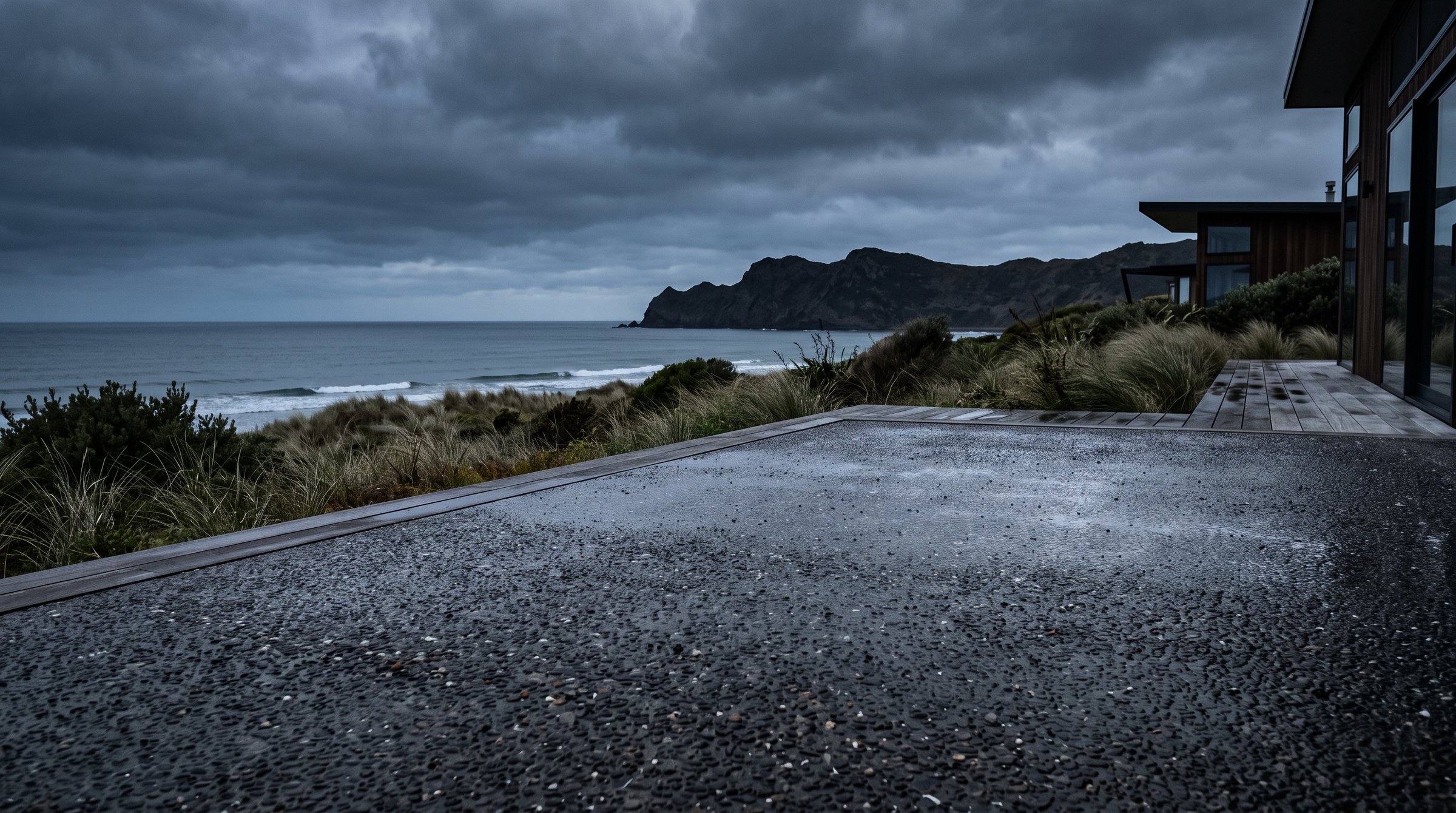
A driveway in Papamoa works harder than the same driveway inland. What the coast does to concrete and to sealers, and how that changes the resealing cycle.
9 minute read
Deciding
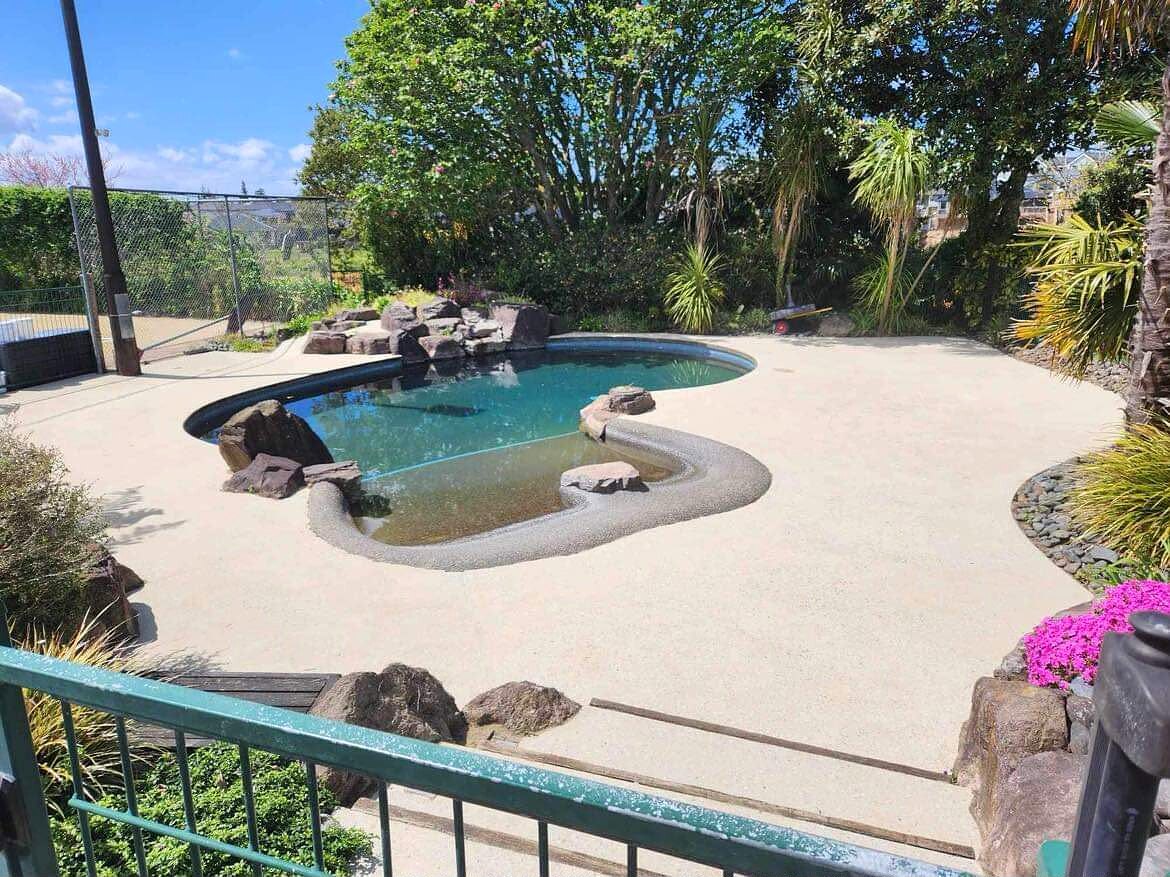
Polished concrete usually costs more than vinyl and less than good tile. The comparison that matters is what each floor is like to live on fifteen years from now.
10 minute read
For builders
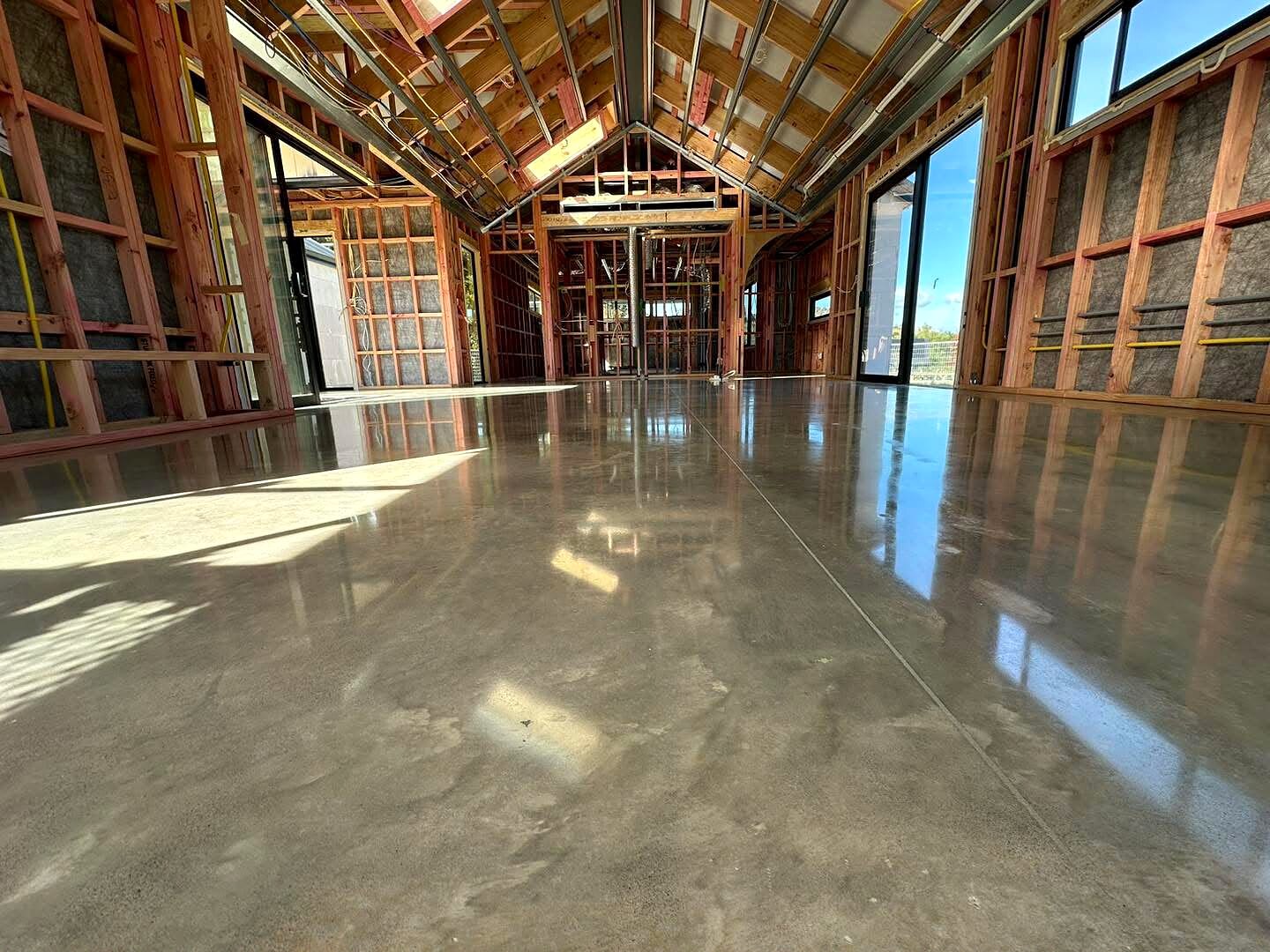
By the time a grinder is called, most of the floor is already decided. This is what to get right at each stage of the build so the finish is a result rather than a gamble.
10 minute read
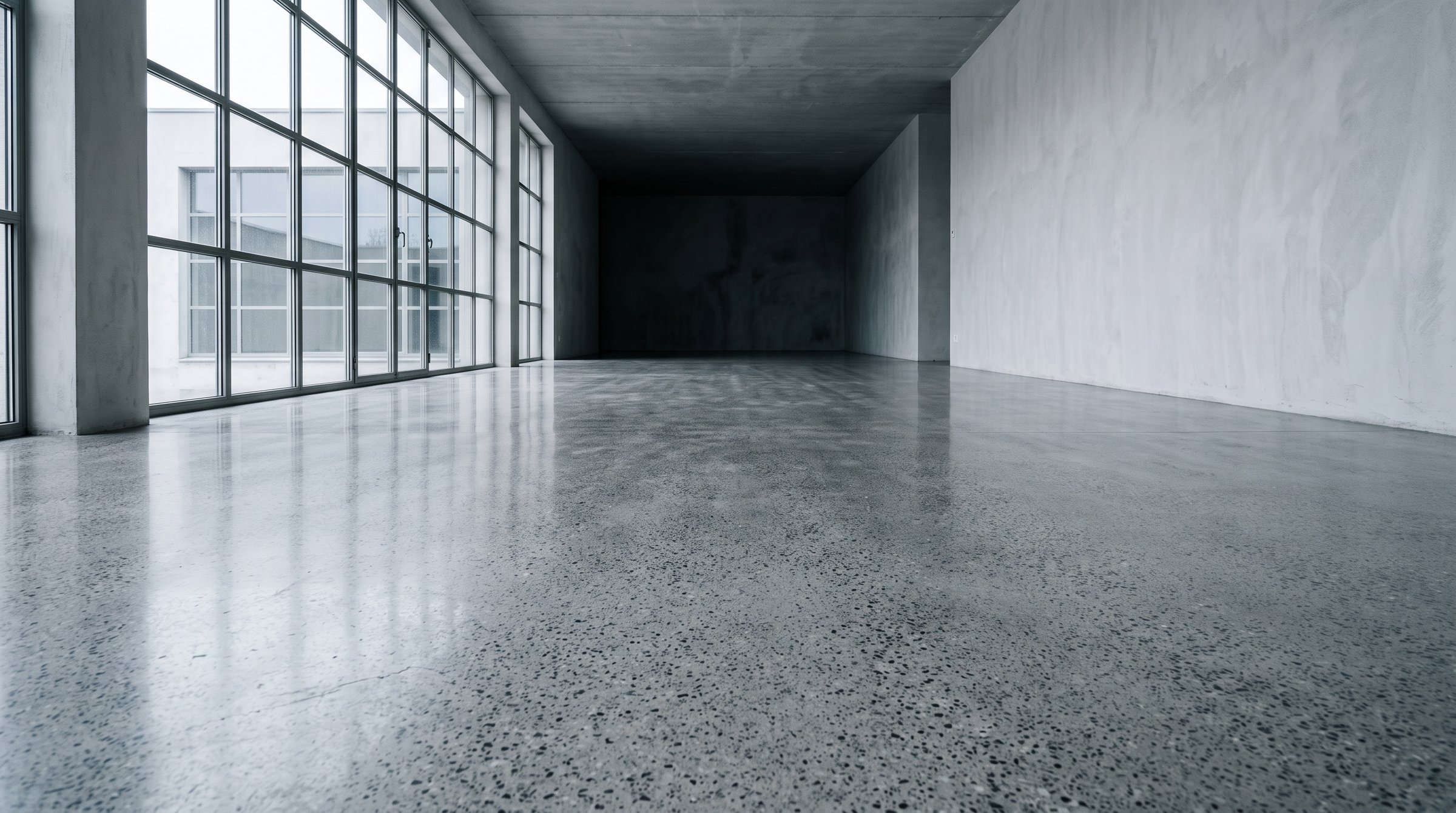
Deciding
A rate per square metre tells you almost nothing on its own. Here is what a polished concrete quote is genuinely built from, and how to read two of them side by side.
10 minute read
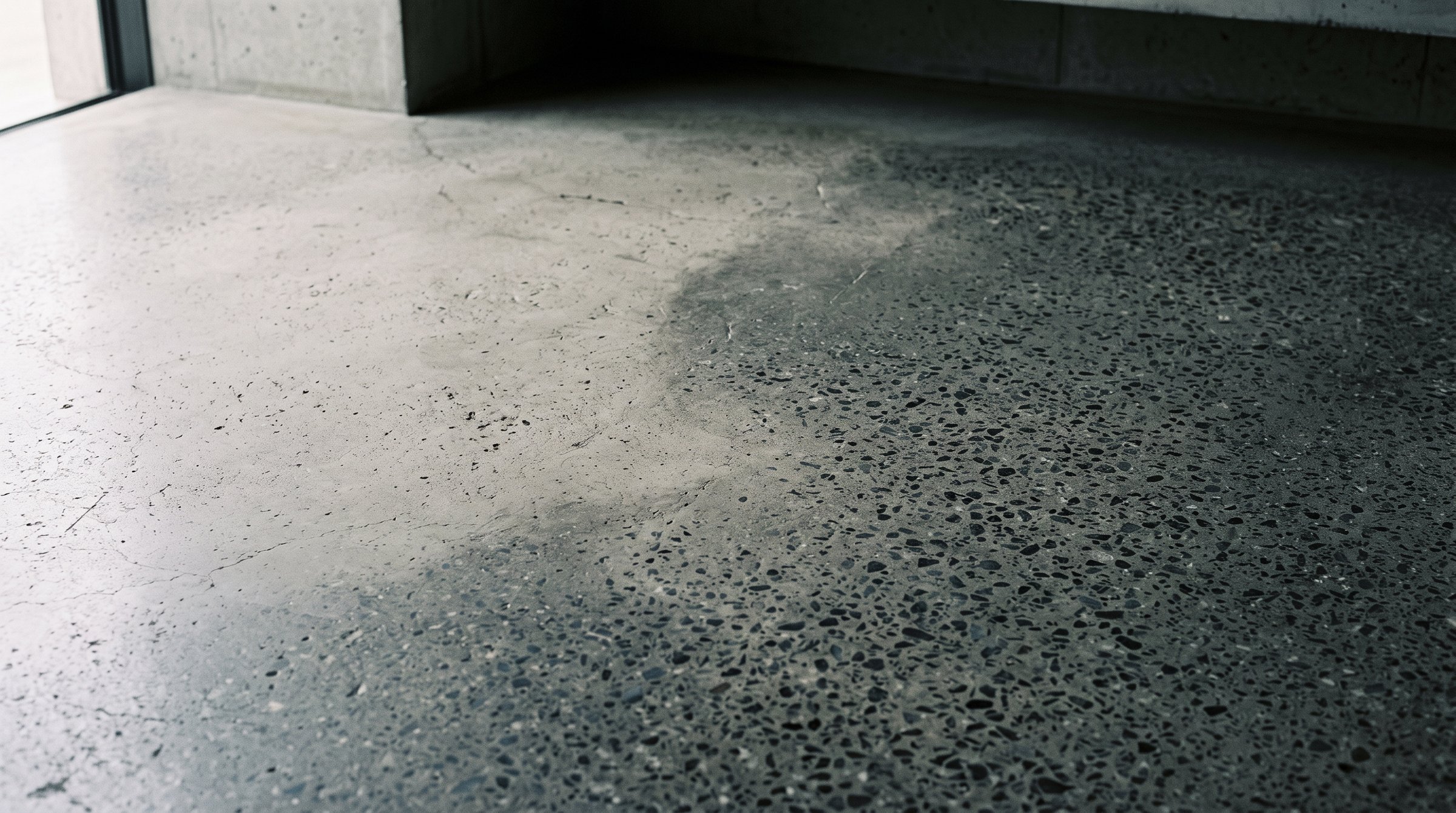
Problems
Patchiness is the most common complaint about a polished floor, and most of it was decided before anyone turned a machine on. Here is what causes it and what can honestly be done.
9 minute read
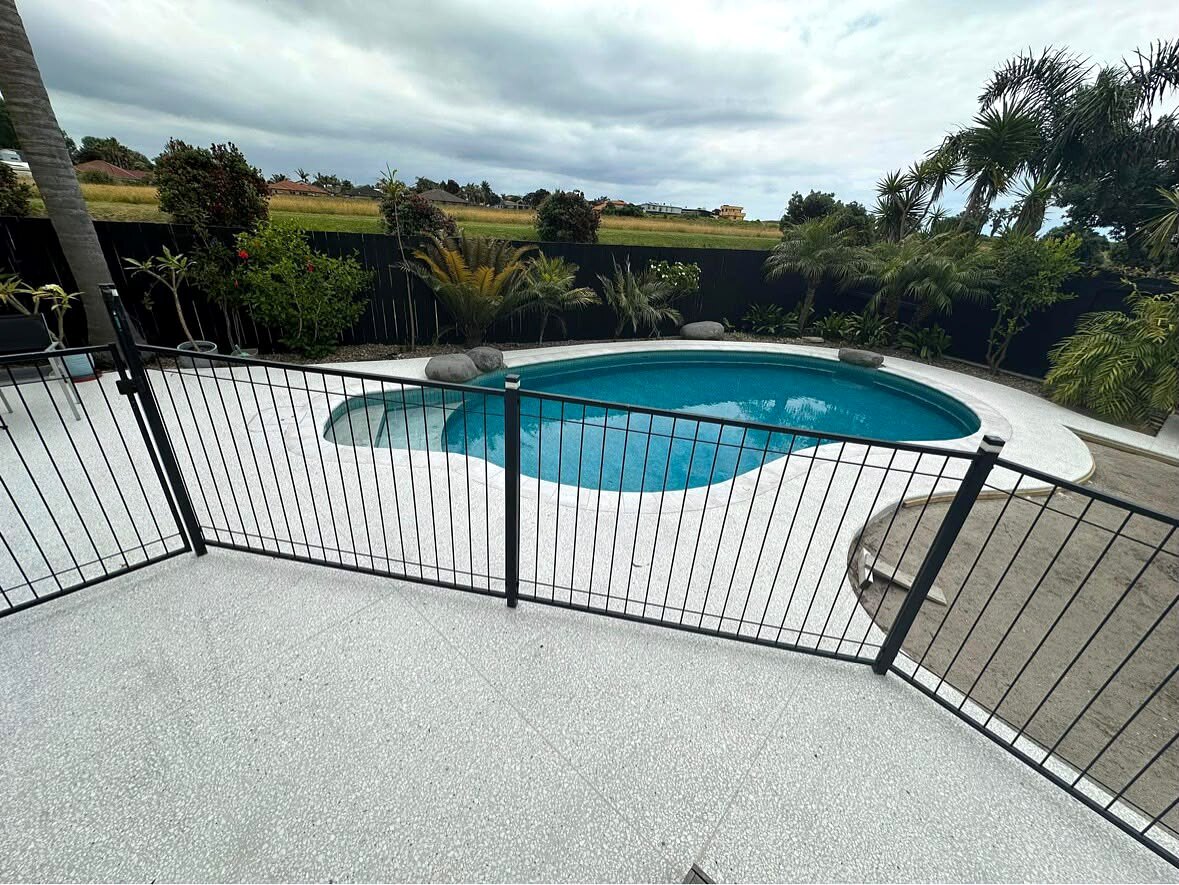
Outdoor
A pool surround is the hardest working surface on a residential property. Grip cut into the concrete outlasts anything applied on top of it, and it can be done on an existing deck.
9 minute read
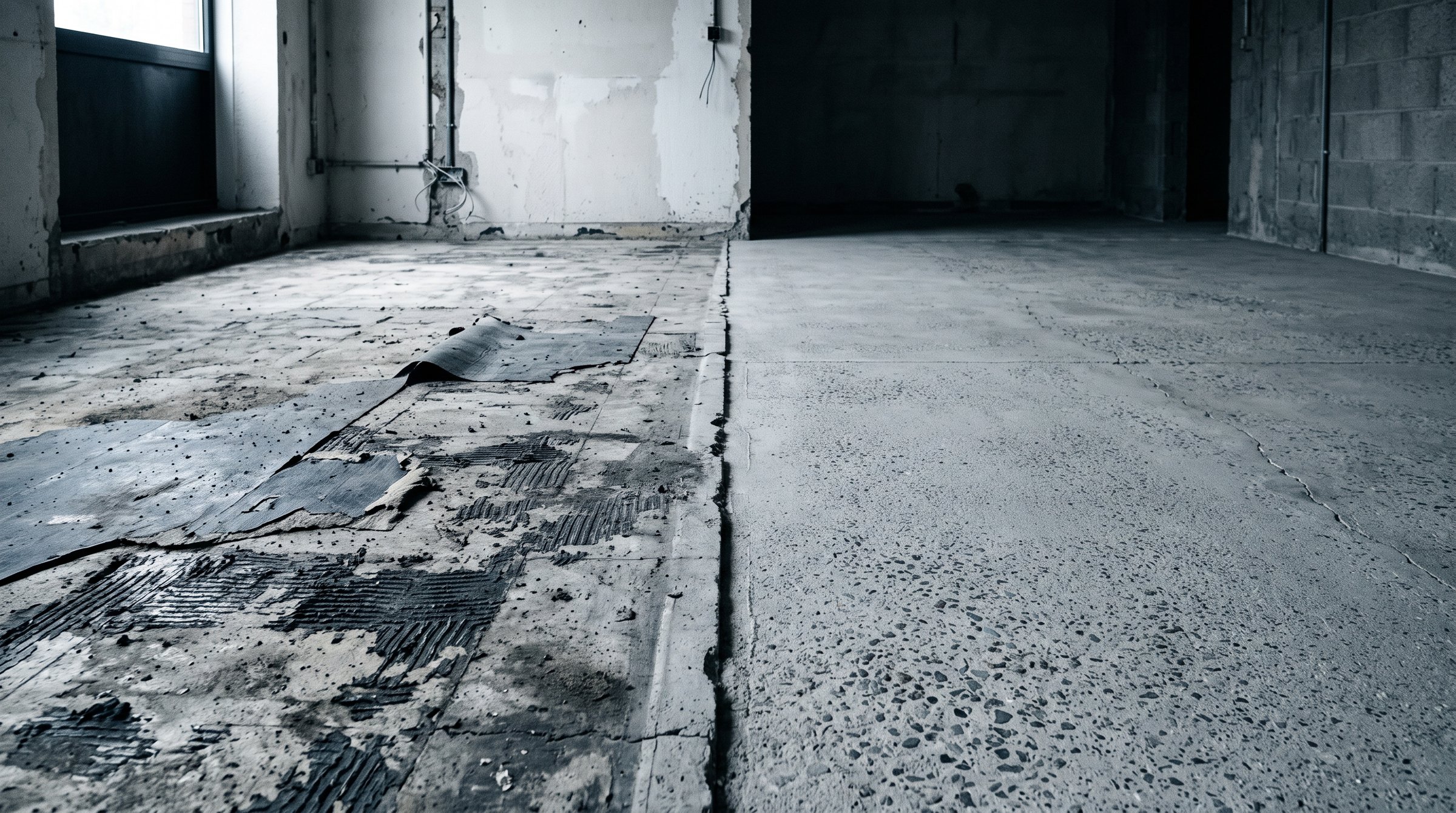
Renovation
Lift the carpet and there is a floor under it. Whether it can be polished comes down to what is stuck to it, how sound the slab is, and what you are prepared to accept.
10 minute read
For builders
The answer is 28 days from the date of pour, and it is a minimum rather than a target. Here is what curing does, what going early costs you, and how to sequence it.
9 minute read
Latest articles
7 October 2026
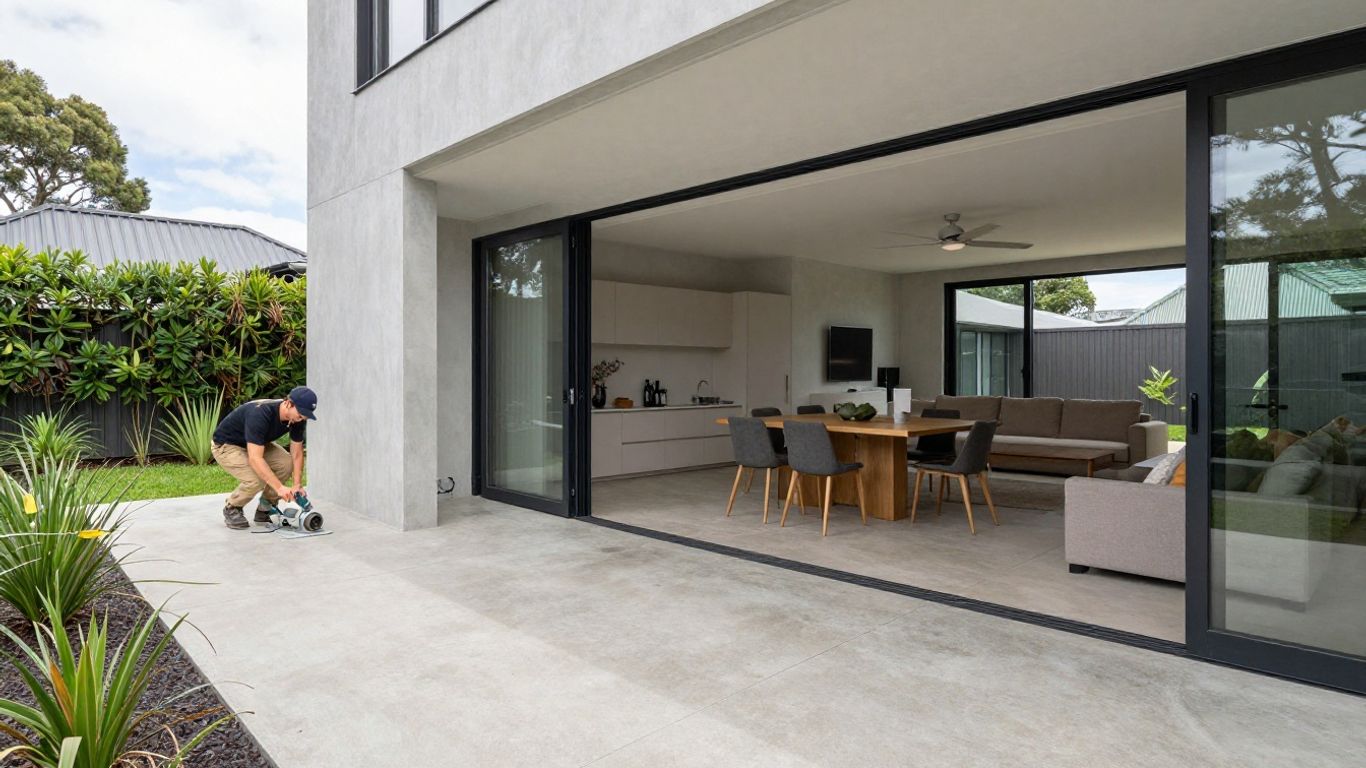
Plan concrete grinding Tauranga projects with guidance on methods, costs, contractors, and floor care.
7 October 2026
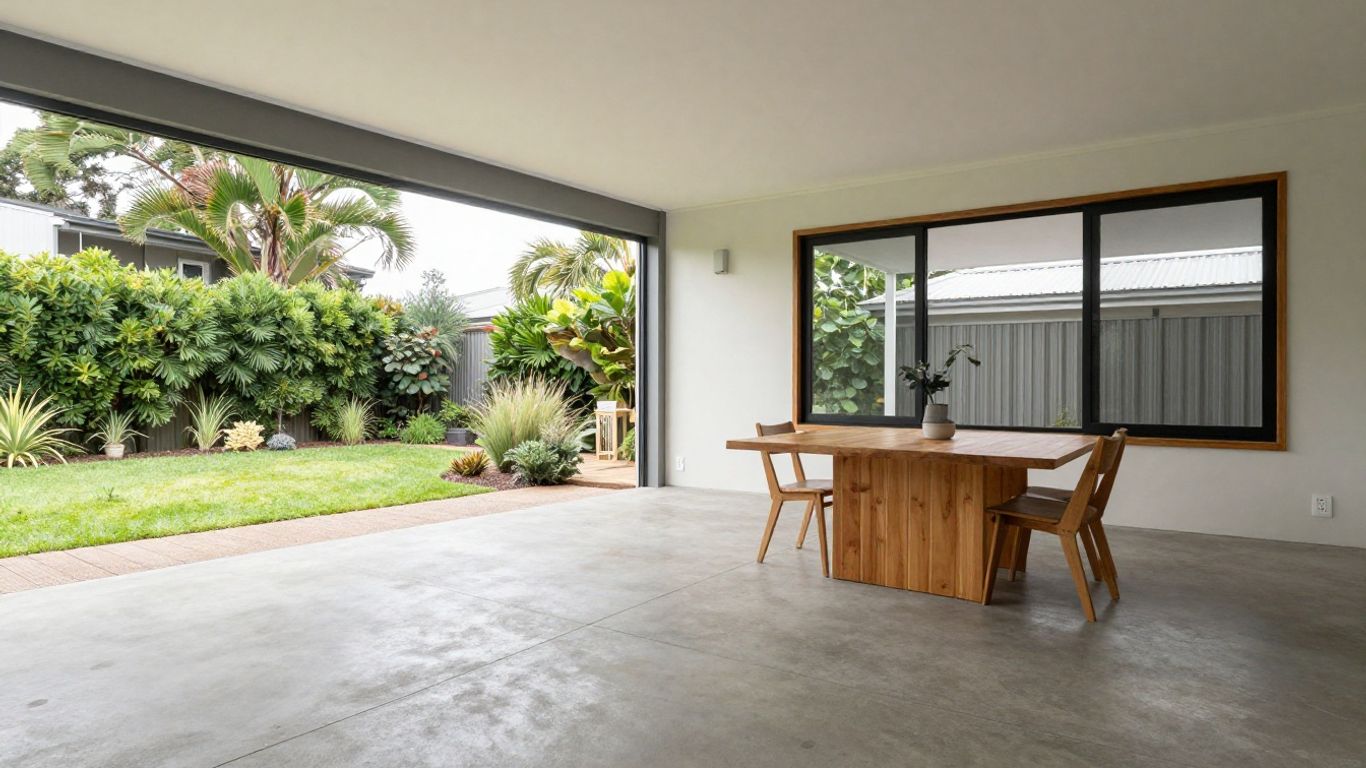
Plan concrete floor sealing Bay of Plenty with practical advice on sealer choice, preparation, costs, and care.
7 October 2026
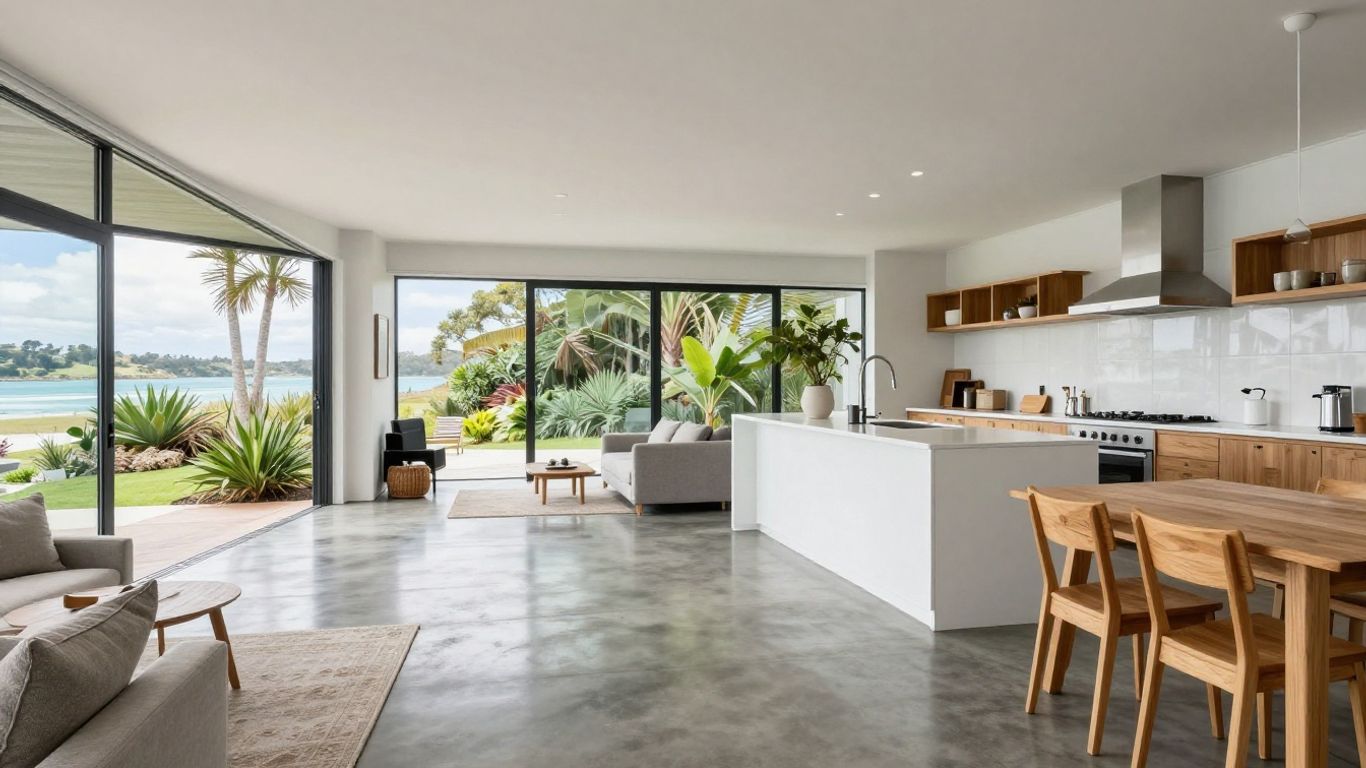
Polished concrete Tauranga: compare costs, finishes, slab preparation, and care before choosing your floor.
7 October 2026
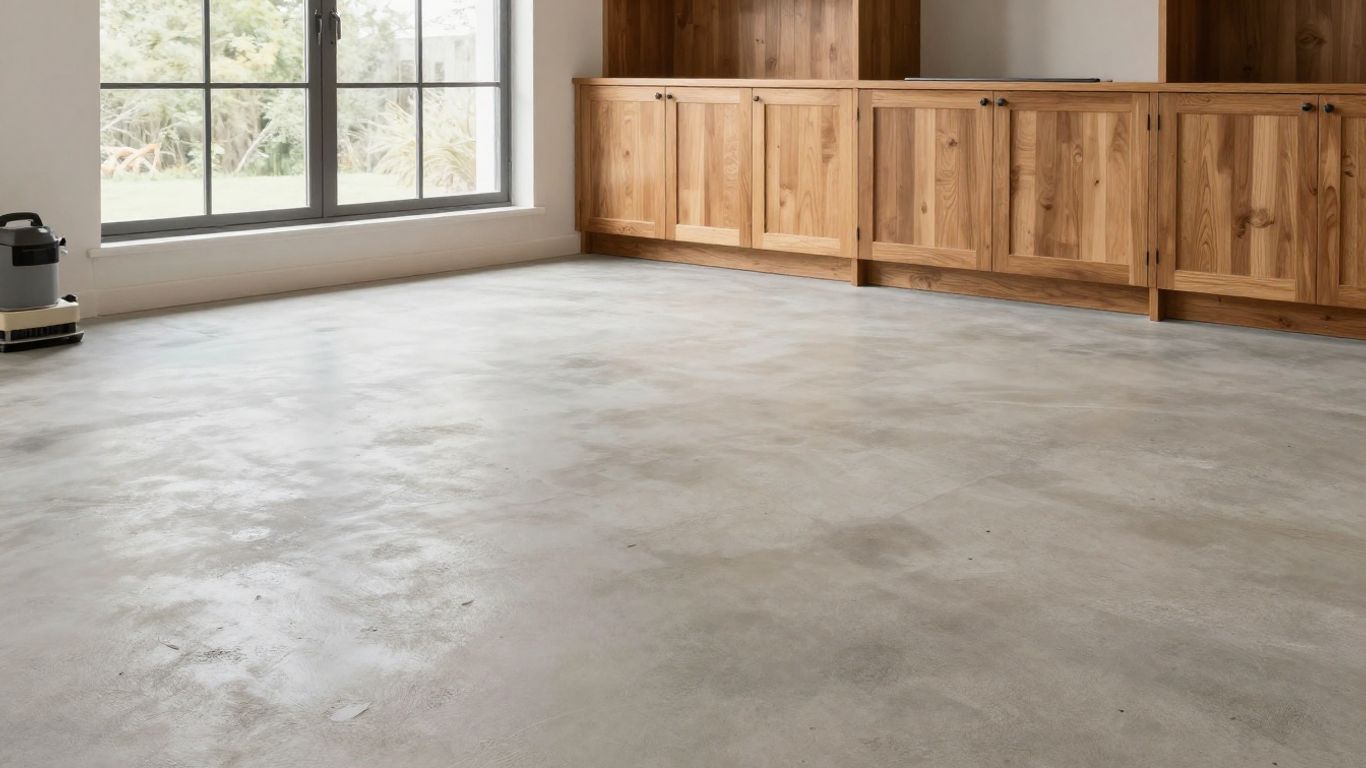
Plan concrete grinding Bay of Plenty projects with practical advice on finishes, preparation, contractors, and costs.
7 October 2026
Plan polished concrete Tauranga floors with practical guidance on finishes, costs, installation, and care.
7 October 2026
Plan concrete floor levelling Tauranga: methods, costs, preparation, and contractor selection.
7 October 2026
Plan concrete floor levelling Tauranga: compare methods, preparation, curing times, and contractor questions.
7 October 2026
Compare concrete sealing services Bay of Plenty for preparation, sealer choices, costs, and maintenance.
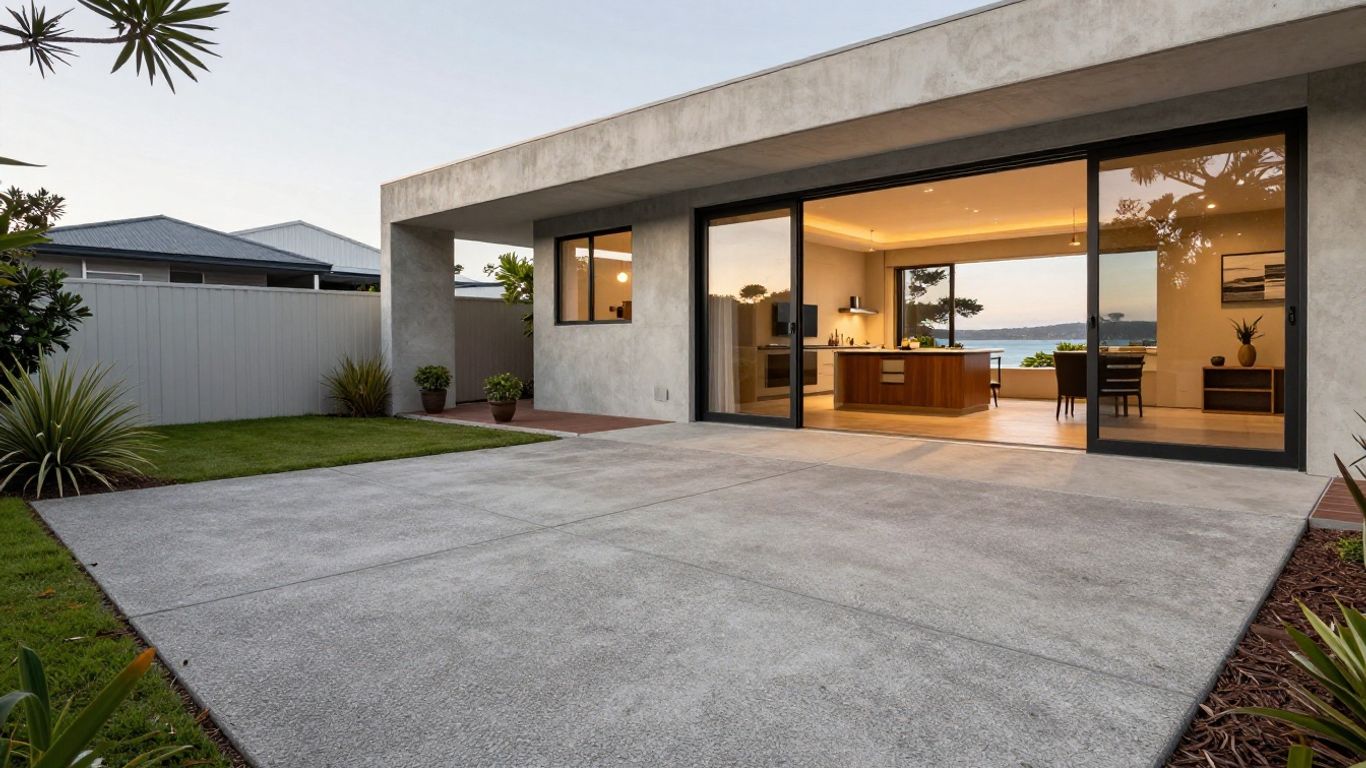
8 September 2026
Concrete sealing Tauranga: choose, prepare, apply, and maintain the right concrete sealer.
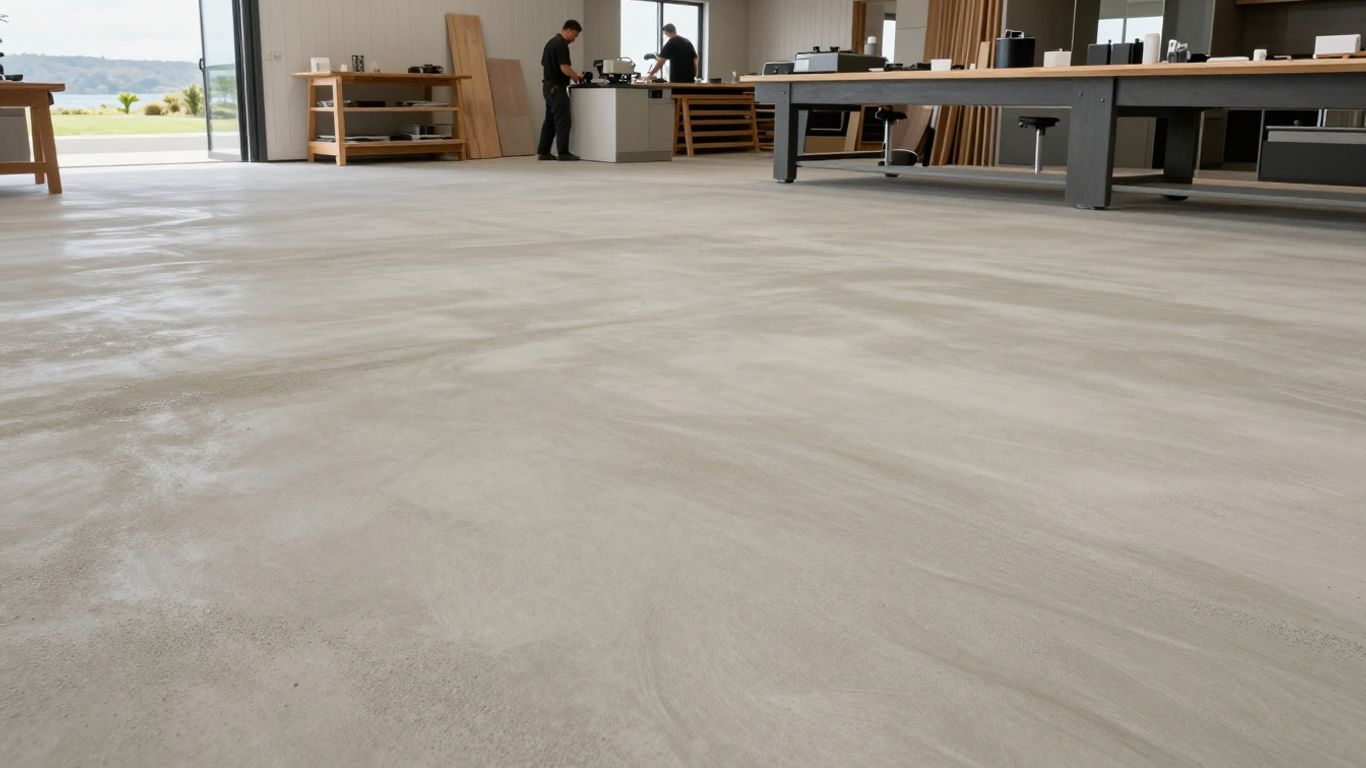
8 September 2026
Concrete grinding Tauranga guide: costs, process, finishes, preparation, and care for smoother concrete floors.
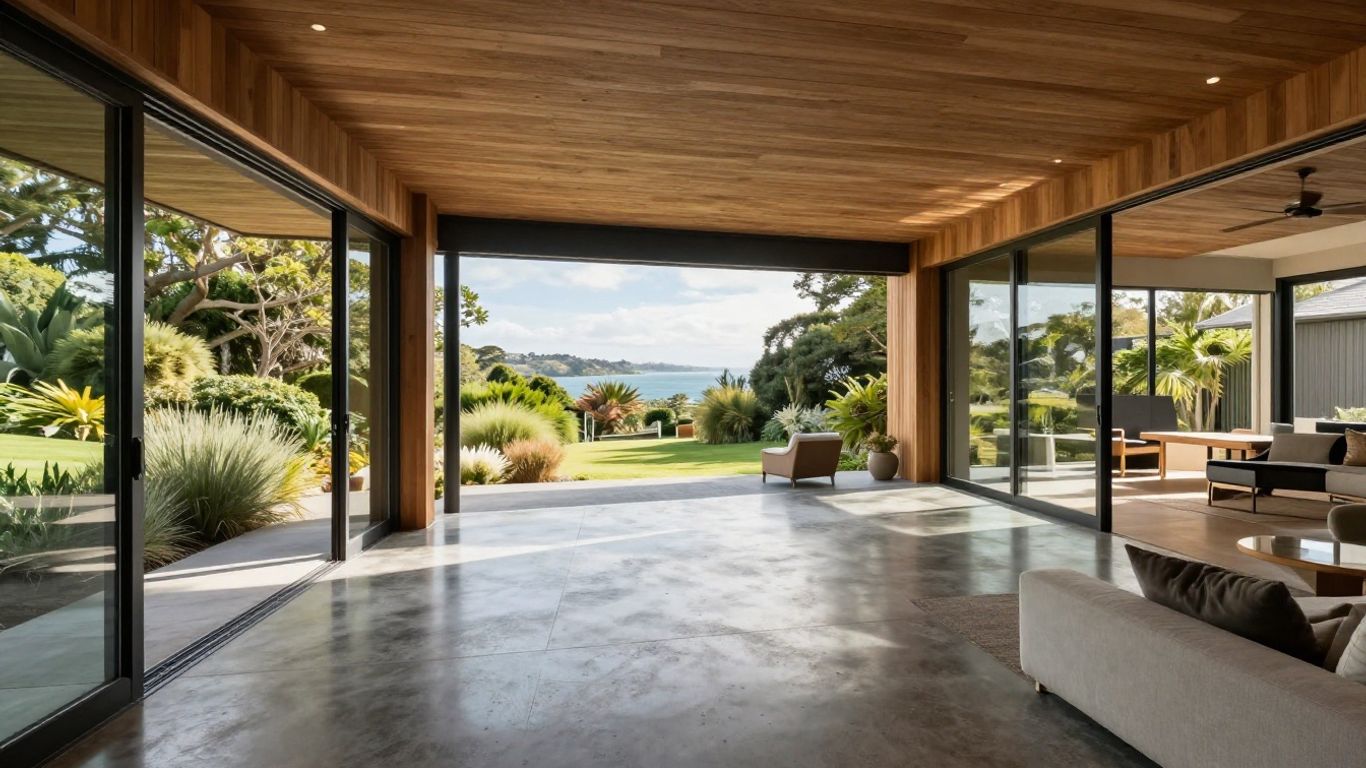
8 September 2026
Plan polished concrete Tauranga floors with practical advice on finishes, costs, contractors, and care.
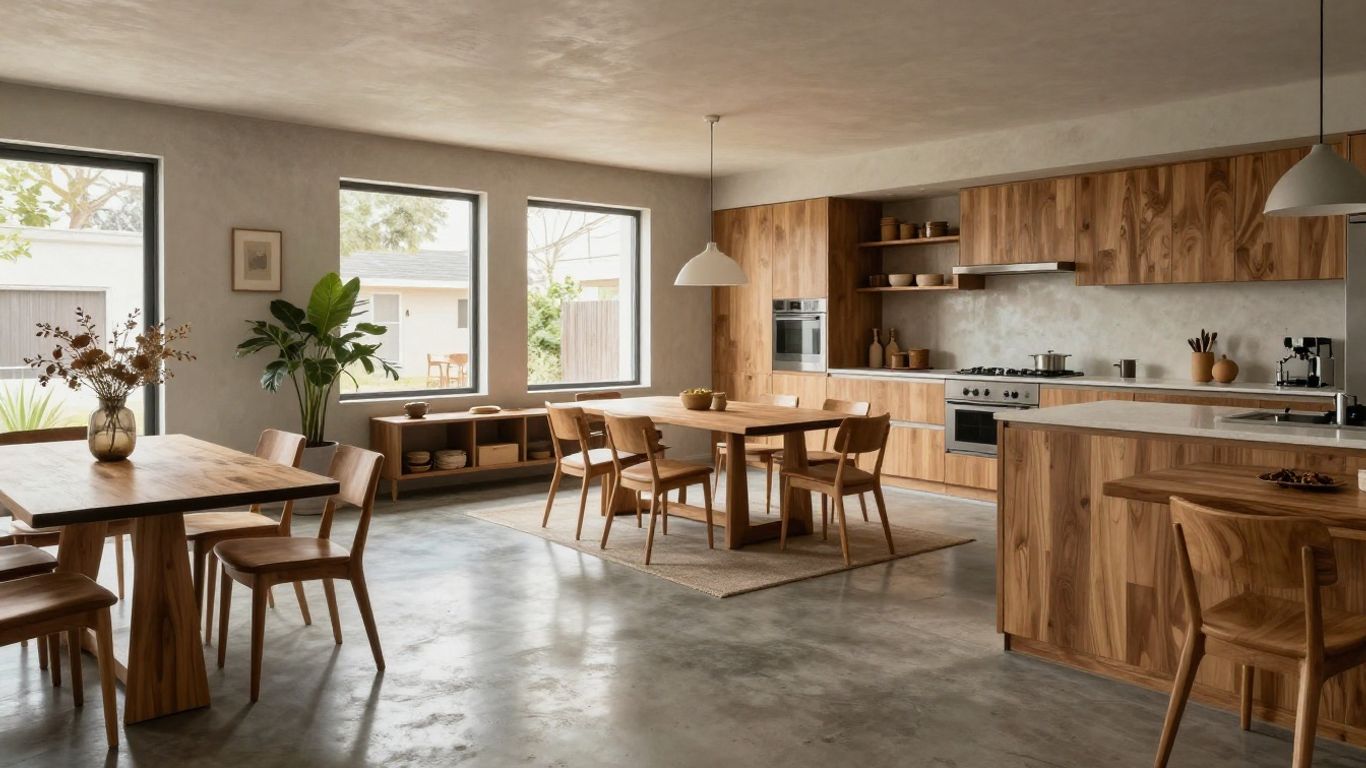
8 September 2026
Residential polished concrete floors: costs, benefits, design choices, and installation advice.
25 August 2026
Compare polished concrete versus sealed concrete for appearance, durability, cost, care, and best applications.
25 August 2026
Learn how polished concrete is made, from slab preparation and grinding to densifying and final polishing.
25 August 2026
Plan textured concrete Tauranga with finish options, costs, drainage, installation, and maintenance advice.
25 August 2026
Polished concrete Tauranga: compare finishes, costs, preparation, contractors, and care for lasting floors.
25 August 2026
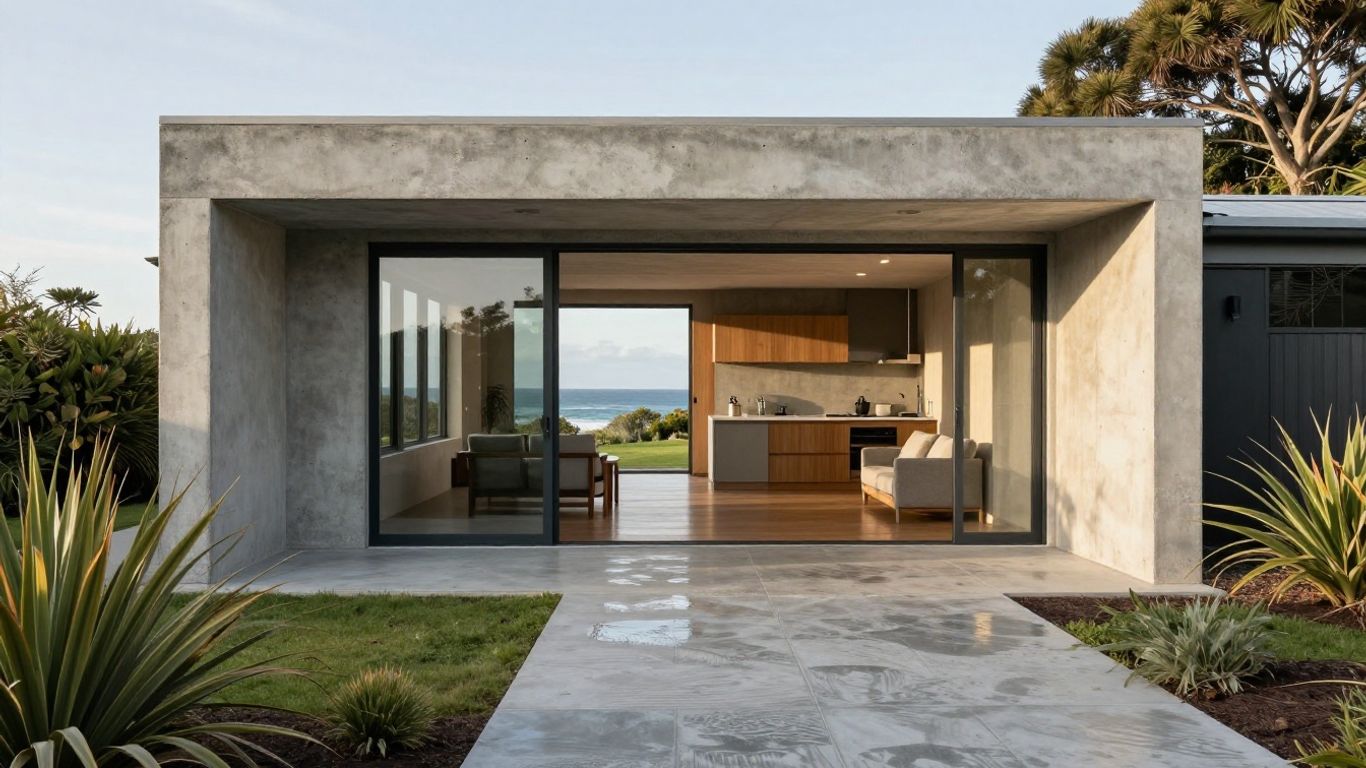
Practical advice on concrete surface rejuvenation Tauranga, from grinding and sealing to local maintenance.
25 August 2026
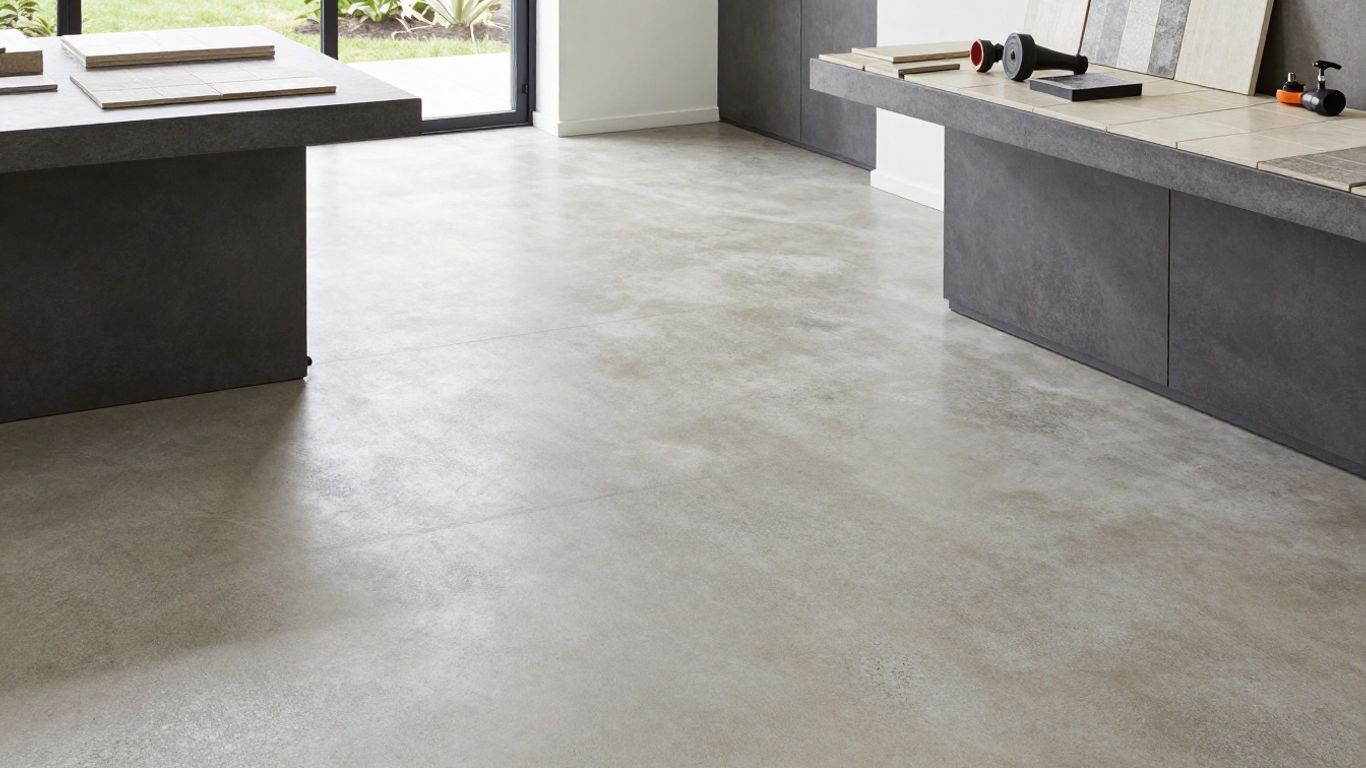
Concrete floor polishing cost New Zealand: 2026 rates, quote inclusions, regional factors, and budgeting tips.
25 August 2026
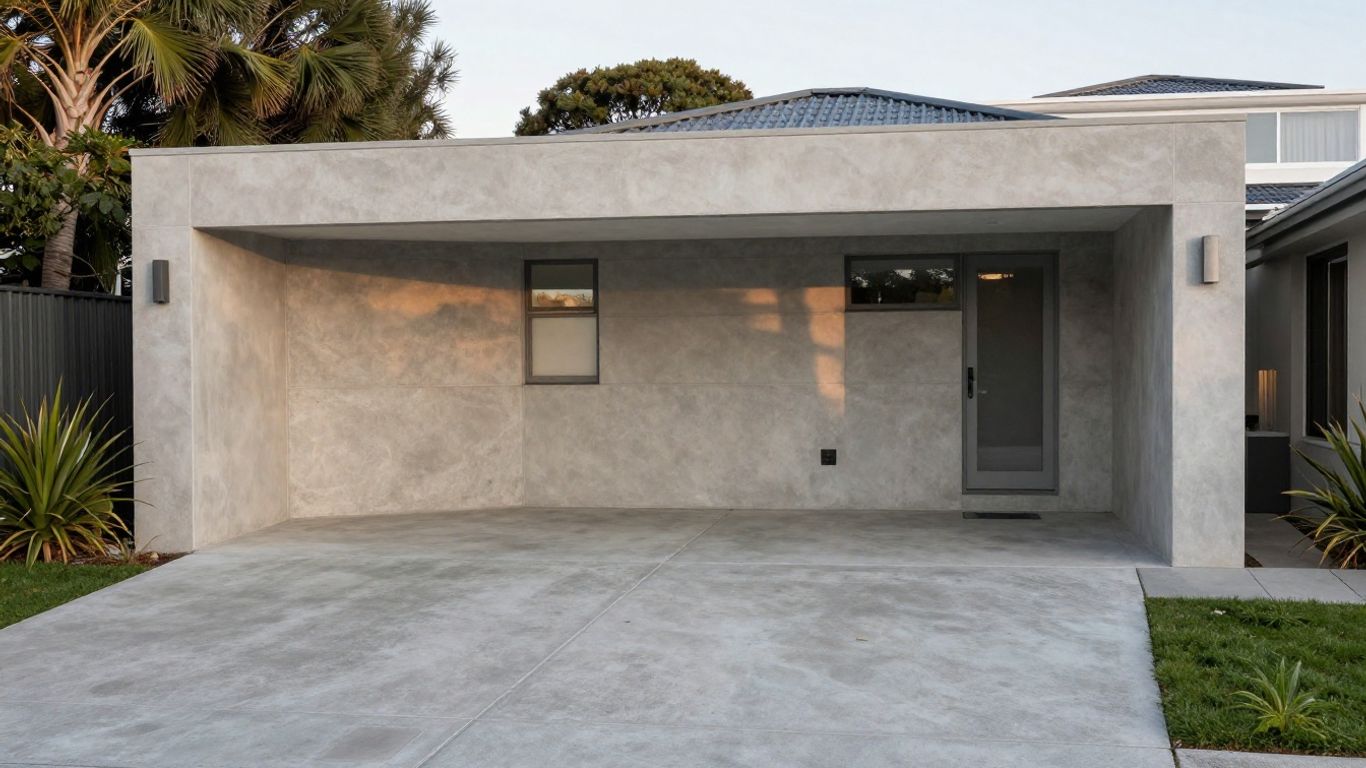
Practical advice on concrete sealing Tauranga, from sealer choice and preparation to costs and care.
25 August 2026
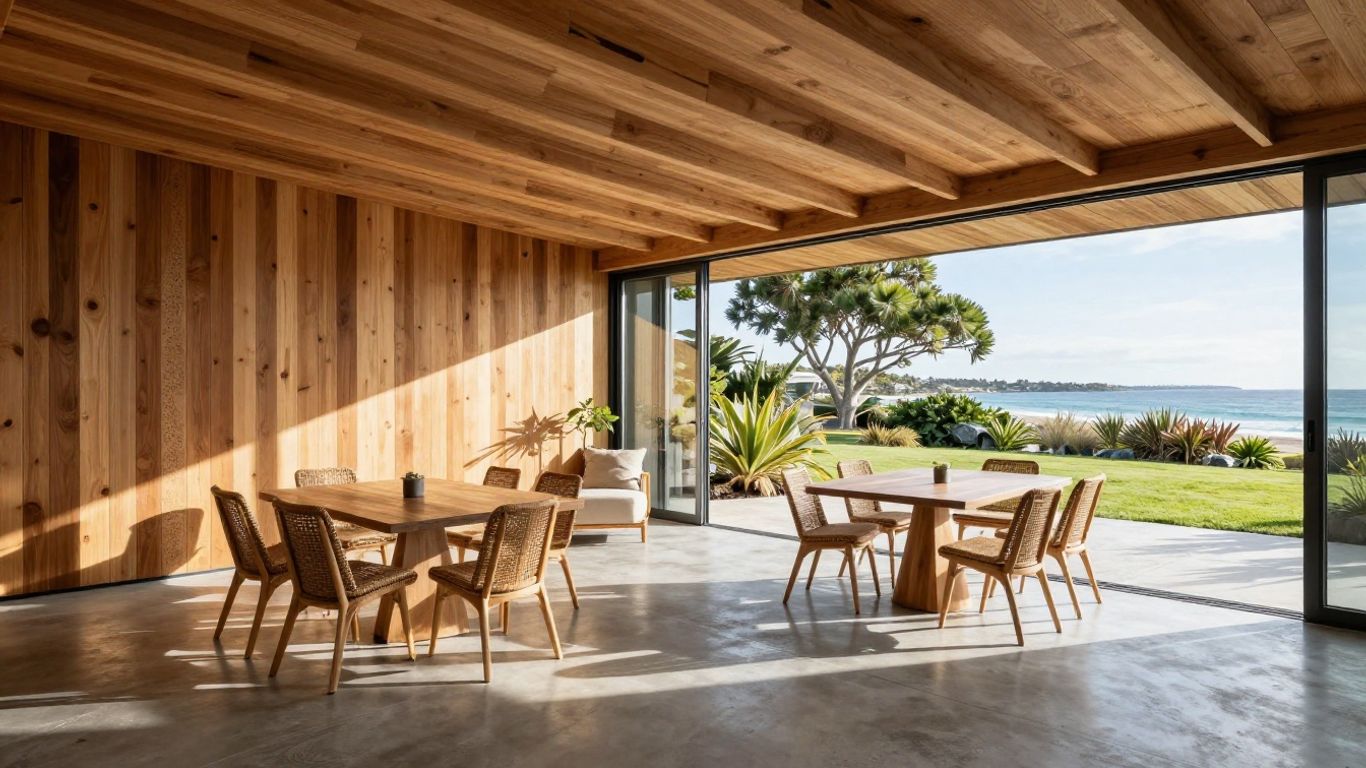
Polished concrete floors Bay of Plenty: costs, finishes, benefits, installation, and care explained.
25 August 2026
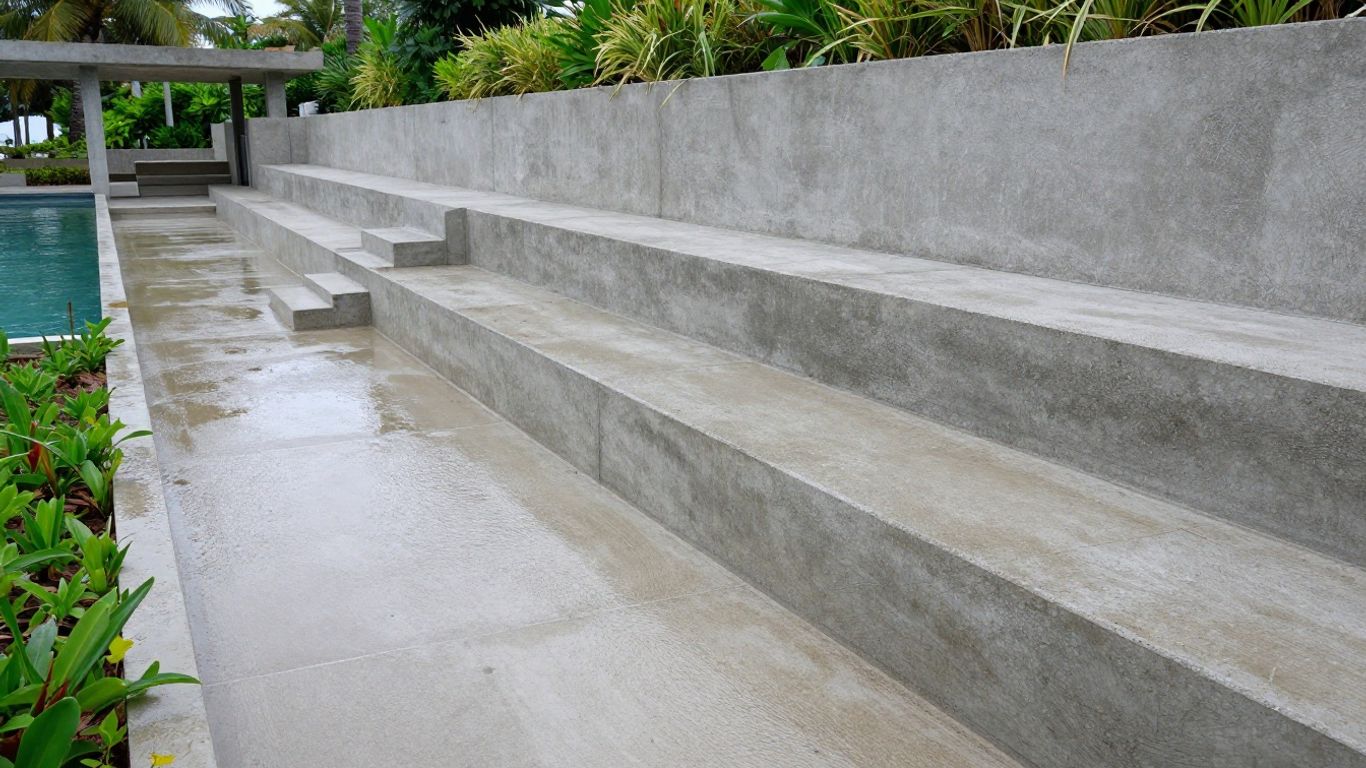
Create a wet grip concrete finish with the right texture, preparation, testing, and maintenance.
25 August 2026
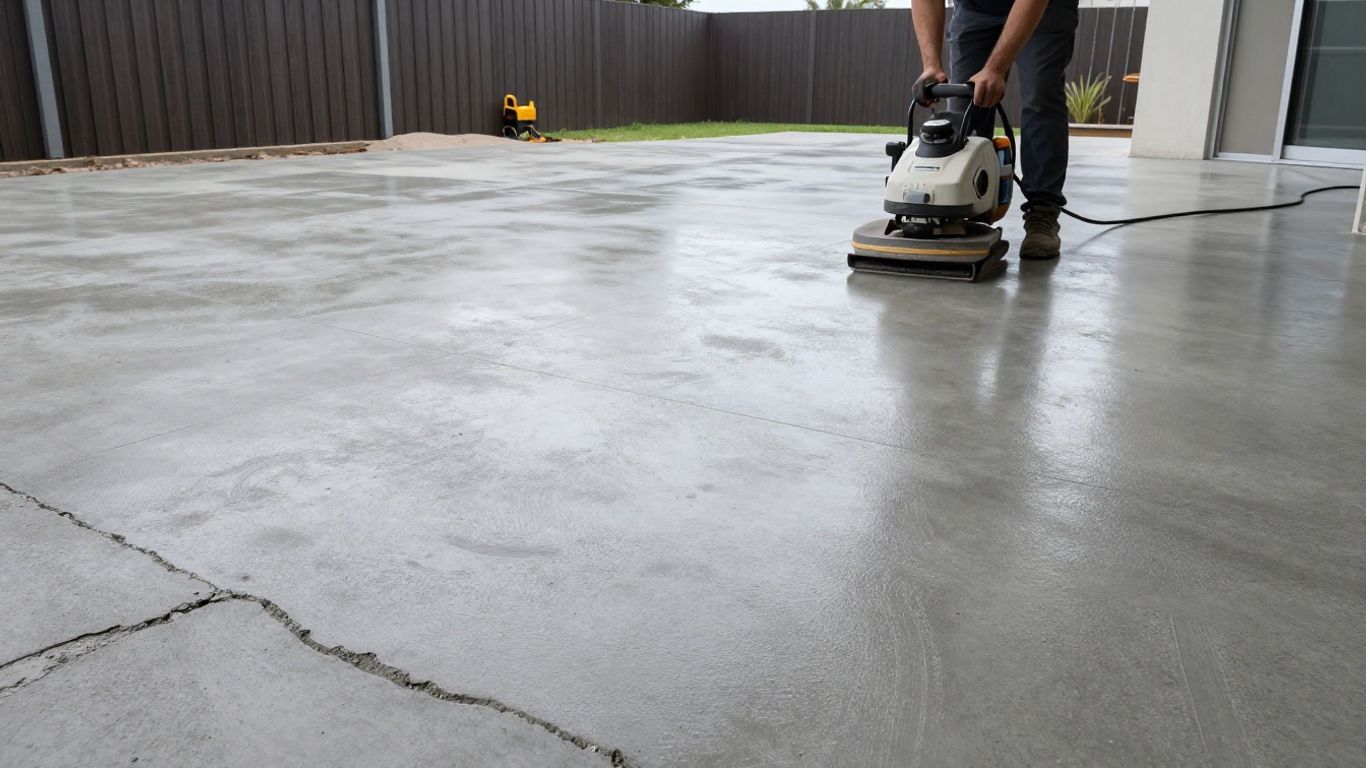
Concrete grinding Tauranga guide to process, finishes, costs, preparation, and choosing a contractor.
Reading only gets you so far. Your own slab is the real answer.
Site assessment and written quote, no obligation.

Every floor is different. Ask us about yours.
Site assessment and written quote, no obligation.