
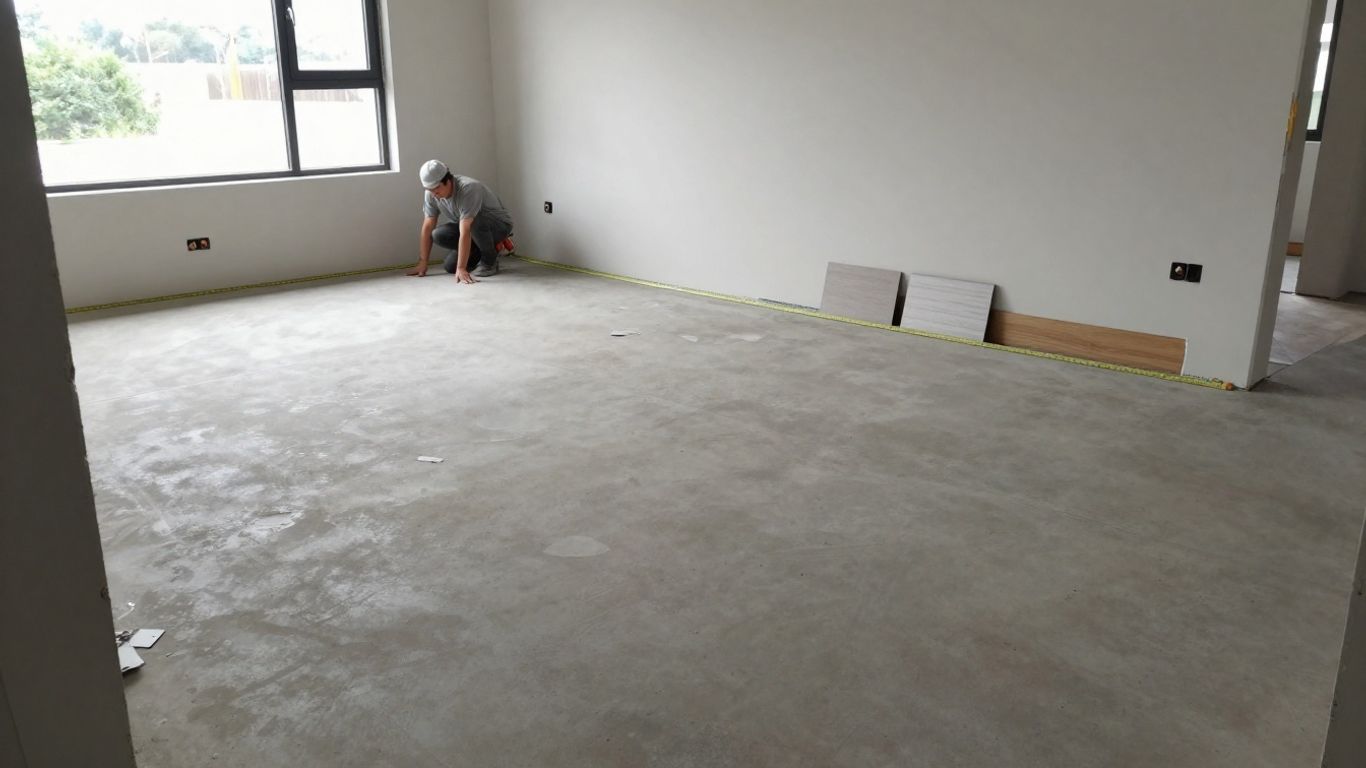
Concrete floor levelling Tauranga: methods, process, and what to expect
Plan concrete floor levelling Tauranga: compare methods, preparation, curing times, and contractor questions.
Published 7 October 2026
Key Takeaways
A sound levelling plan starts with understanding what is uneven and what the finished floor needs. The right approach depends on the slab, the flooring to come, and the cause of the problem.
- Check for dips, raised areas, cracks, and signs of movement before choosing a repair.
- Grinding can reduce high spots, while compounds can fill low areas or create a flatter surface.
- Surface preparation and moisture checks matter as much as the levelling material.
- Curing times vary, so confirm when the prepared floor can be covered or used.
- Compare contractor quotes by checking the preparation, repairs, cleanup, and timing included.
When a concrete floor needs levelling
An uneven concrete floor can be noticeable underfoot, but the key question is whether it will affect the next use of the space. A floor covering may need a flatter base than an unfinished utility area. Before deciding on a repair, look at the pattern and extent of the unevenness, then consider what will go over the slab.
Signs of unevenness, dips, and high spots
A straightedge placed in several directions can help reveal dips and raised patches that are hard to judge by eye. You might also notice rocking furniture, a visible slope, or gaps beneath a board laid across the floor. These checks help locate a concern, but they do not explain its cause or show whether it is changing.
How floor levels affect flooring installation
Different floor finishes have different expectations for the substrate, and the flooring manufacturer’s guidance should be part of the assessment. A high spot can interfere with a close-fitting finish, while a low area may leave an unsupported section or create a visible transition. A substrate preparation resource likewise highlights the connection between preparing concrete and the flooring installed above it.
When surface repairs may be enough
A small, stable defect may need only a localized repair rather than levelling the whole room. Loose material, old patching, or a shallow depression can sometimes be addressed once the surrounding concrete is sound and compatible with the planned finish. The repair still needs to blend with the adjoining surface and meet the floor covering’s requirements.
When to consult a flooring professional
Get an experienced assessment if unevenness is widespread, cracks appear to be moving, moisture is present, or the floor will receive a finish with strict flatness requirements. A professional can help distinguish a surface irregularity from movement below the slab and recommend a suitable preparation plan. For concrete floor levelling Tauranga projects, local site conditions and the intended finish both matter.
Why concrete floors become uneven
Unevenness can develop at the time a slab is placed or appear later as the building and ground around it change. Previous coatings and repairs can also make a floor feel irregular, even when the slab itself has not moved. Finding the likely source helps avoid treating the visible dip while missing the condition that caused it.
Settlement and movement beneath the slab
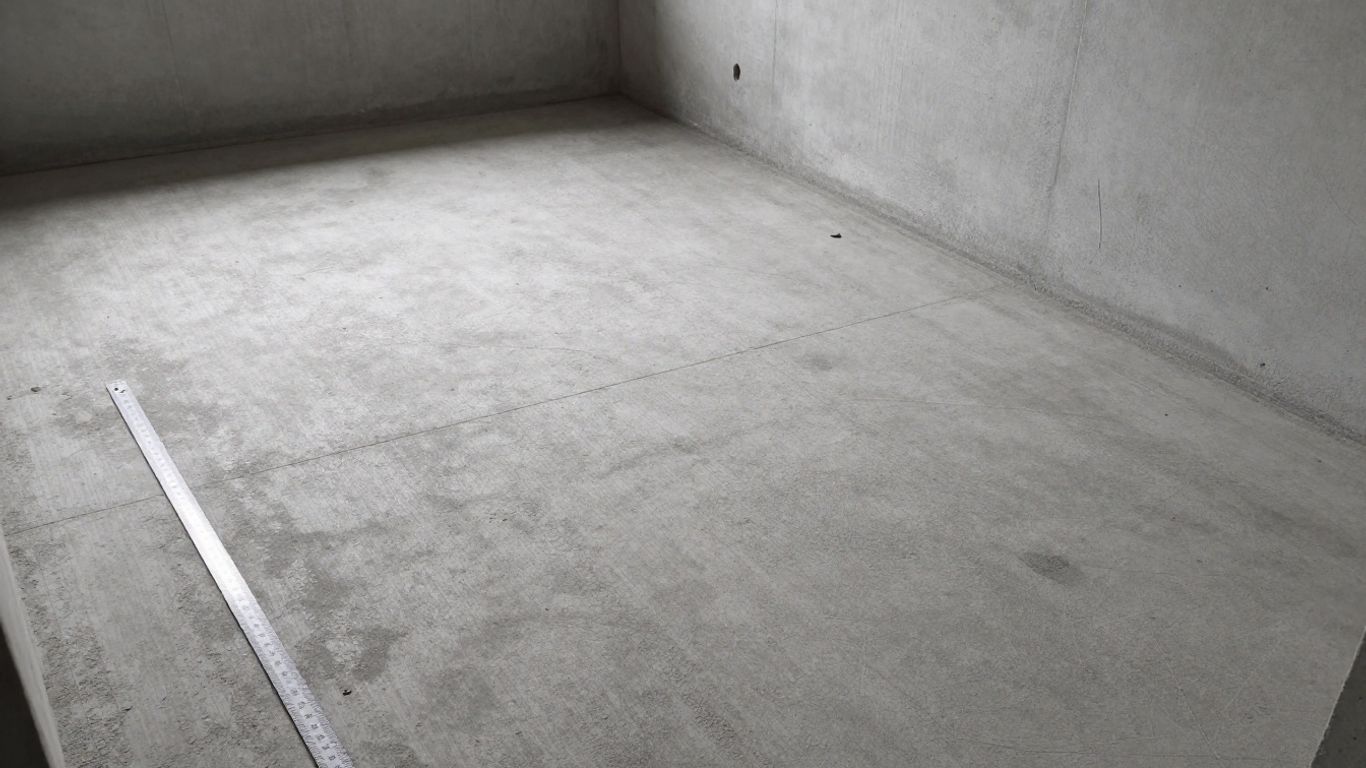
If the support beneath a slab settles unevenly, the concrete may crack or move at different rates. Movement can also occur at joints or where separate pours meet. The pattern, width, and history of cracks are useful clues, but only an on-site inspection can determine whether movement is ongoing and what response is appropriate.
Wear, damage, and previous repairs
Heavy use, impact, and the removal of old floor coverings can leave rough or damaged patches. Earlier repairs may stand proud of the surrounding concrete or have worn down over time. What looks like a level problem can therefore be a combination of surface damage, residue, and differences between the original slab and patching material.
Moisture and drainage issues
Moisture can affect the suitability of a floor for new coverings and levelling products. Look for damp areas, discoloration, salt-like deposits, or water collecting near an exterior edge, while keeping in mind that appearance alone cannot identify the source. Leaks and drainage problems should be investigated and dealt with before covering the concrete.
How to identify the likely cause
A useful initial assessment records where the floor rises or falls, the condition of cracks, and any history of leaks or repairs. These observations help a contractor decide what to inspect more closely. The pattern matters: a single raised patch suggests a different investigation from a broad slope or a crack that continues to change.
Concrete floor levelling methods
Levelling is not one single process. A contractor may remove material from high areas, add material to low areas, or combine approaches where the slab varies across the room. Grinding Dynamics provides concrete grinding in Tauranga for surface preparation and levelling, among other listed grinding applications; the appropriate scope depends on the slab and the intended finish.
Grinding down high spots
Grinding removes material from raised areas to bring them closer to the surrounding floor. It can also be used for surface preparation, but it is not a way to raise a low section. Dust control, edge access, the depth of the high spot, and the condition of the concrete all affect how the work is approached.
Filling low areas with levelling compound
A suitable compound can fill depressions after the concrete has been cleaned and prepared. Product choice depends on the depth, substrate, and floor covering, so the manufacturer’s instructions need to be followed. If a low area reflects movement or ongoing moisture, filling it without addressing the underlying issue may not be a durable plan.
Applying a self-levelling underlayment
A self-levelling underlayment can create a flatter base over a prepared area when the product is appropriate for the conditions. It still requires careful preparation, correct mixing, and attention to edges and thresholds. “Self-levelling” does not mean the material can correct every slab condition by itself.
Choosing a method for the floor and finish
The best approach follows from the defect and the finish that will sit above it. The table below is a starting point for discussing options, not a substitute for checking the slab or the flooring requirements.
| Floor condition | Possible approach | Point to confirm |
|---|---|---|
| Localized raised area | Grinding | Whether removal is suitable for the concrete and finish |
| Shallow depression | Compatible compound | Product depth limits and substrate preparation |
| Broad low area | Underlayment or combined method | Floor height at doors and adjoining rooms |
| Unevenness with cracks or moisture | Investigate cause first | Whether movement or water needs attention |
If polished concrete is the intended finished surface, the slab’s condition and character remain central to the outcome. Grinding Dynamics offers polished concrete floors in Tauranga, with an on-site slab assessment and written quote. Levelling decisions should fit the planned finish rather than assume every floor needs the same treatment.
How to prepare for floor levelling
Good preparation gives a contractor a clearer view of the concrete and helps the selected system bond as intended. Before work begins, agree on what needs to be removed, how the surface will be assessed, and which areas must remain accessible. Preparation can also reveal defects that were hidden by coverings or residue.
Removing existing flooring and loose material
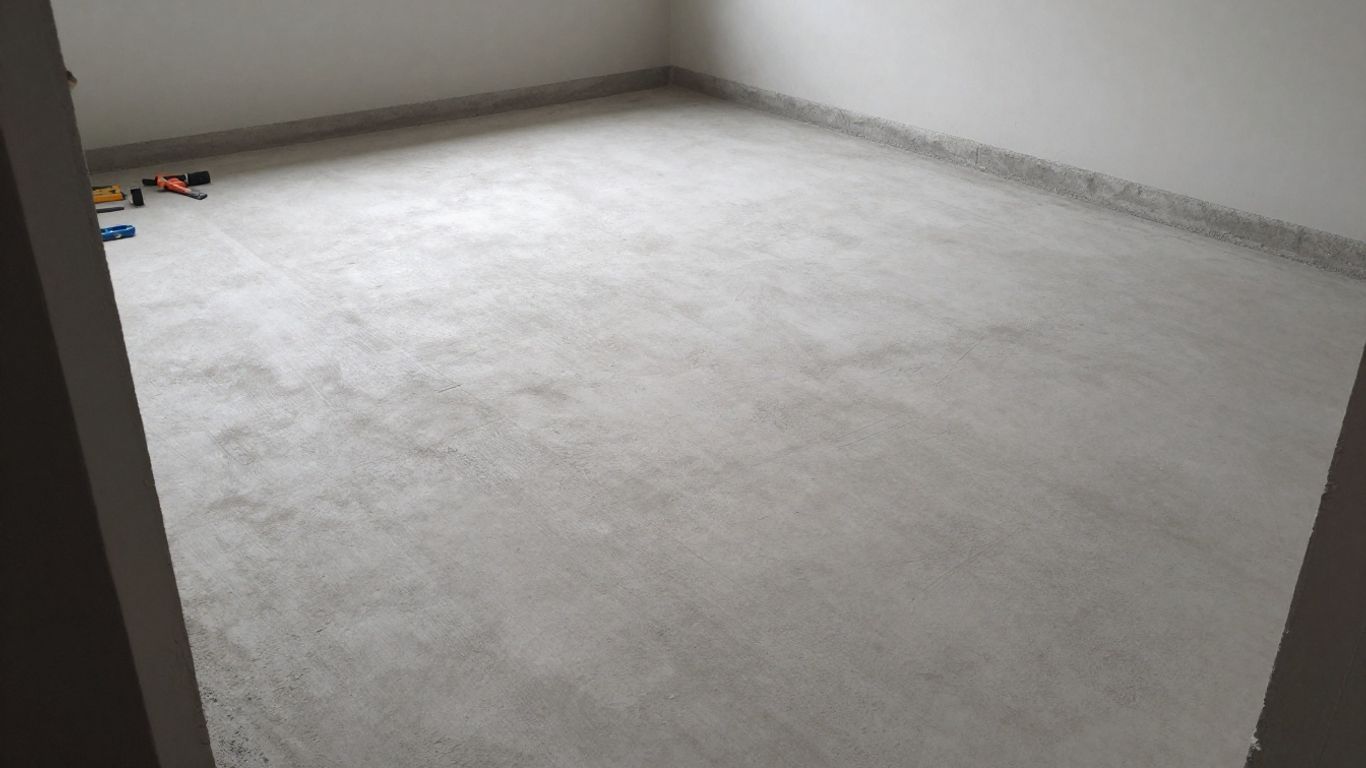
Existing floor coverings, adhesive, loose patching, and other material may need to come off before levelling can be planned. The exact removal process depends on what is present and what lies beneath it. Ask whether removal and disposal are included, especially if the project involves several layers or difficult-to-remove residues.
Cleaning and assessing the concrete surface
The exposed concrete should be checked for dust, oil, paint, weak material, and old repairs that could affect the next step. A practical preparation sequence often includes the following:
- Remove loose material and identify residues that need further treatment.
- Check for cracks, raised edges, hollows, and previous patches.
- Confirm that the proposed repair or levelling system suits the substrate.
- Protect adjoining rooms and surfaces before work starts.
This review helps avoid applying a levelling product over a surface that is not ready. The contractor should explain any additional preparation discovered once coverings have been removed.
Checking moisture and addressing leaks
Moisture testing may be needed before installing a floor covering or using a levelling product. The appropriate test depends on the project and the product requirements. If there is an active leak or an unresolved drainage concern, deal with it first and allow the slab to dry as required before proceeding.
Planning around doors, edges, and floor transitions
Adding material changes the finished floor height, which can affect door clearance, skirting, thresholds, and the connection to nearby rooms. Consider adjoining floor levels and any drainage details before work is priced. Planning these edges early can prevent a flat central area from creating an awkward step at the doorway.
What to expect during the levelling process
The work usually begins with checking the floor and agreeing on the scope, followed by preparation, application, and a final review. The sequence varies with the method and the condition of the slab. Ask the contractor to explain what will happen on site and which decisions may need to be made after the concrete is exposed.
Inspection and level measurements
An inspection should identify high and low areas, visible cracking, existing repairs, and access constraints. Measurements help describe how much the floor varies, while the intended covering sets the practical standard to meet. If the cause of movement or dampness is uncertain, that should be discussed before a surface repair is treated as the complete answer.
Surface preparation and priming
The concrete may need grinding, cleaning, or other preparation before a compound is applied. Where the chosen system calls for primer, it must be suitable for the substrate and used according to its instructions. Preparation is not merely a finishing detail; it affects whether the next layer can adhere properly.
Application and curing times
Application and curing times depend on the product, thickness, site conditions, and manufacturer’s directions. Confirm when the area can be walked on and when flooring can be installed; these are not always the same milestone. Build this allowance into the project schedule rather than relying on a general time estimate.
Checking the finished surface before flooring
Before the next trade begins, review the prepared floor for visible ridges, missed low spots, loose material, and edges that could affect installation. The contractor and flooring installer should agree that the surface meets the relevant requirements. Keep the area protected during any remaining cure period.
Choosing a concrete floor levelling contractor in Tauranga
A useful quote begins with an understanding of the slab, not just a room measurement. Ask how the contractor will assess the floor and how the proposed work relates to the covering or finish planned for it. Clear answers make it easier to compare scope and timing, particularly when repairs or moisture checks may change the job.
Questions to ask about experience and methods
Ask what method is proposed for the specific high and low areas, what preparation it requires, and how the contractor will check the result. Find out how cracks, old coatings, and moisture concerns are handled if they are uncovered. Grinding Dynamics lists concrete grinding for surface preparation and levelling, with dust-controlled work for homes and commercial sites; confirm directly whether that scope fits your particular floor.
How to compare quotes and inclusions
A lower initial figure may not cover the same preparation or cleanup as another quote. Compare the work included, any assumptions about the existing floor, and what would count as additional work. Look for clarity on what happens if the condition of the slab differs from what was visible before coverings were removed.
What affects the project cost
The size and condition of the floor, the amount of grinding or filling required, access, edge details, and removal of existing coverings can all affect cost. The intended floor finish also influences the required preparation. An on-site assessment can help establish a more useful scope than a rough estimate based on area alone.
Confirming preparation, cleanup, and timing
Before accepting a quote, confirm who removes existing flooring, what protection is provided, how dust and waste are managed, and when the area can be used again. Ask how curing affects the next trade’s schedule and whether the quote includes a final surface check. These details make the handover clearer and reduce avoidable delays.
Conclusion
A good levelling decision starts with the slab: identify the pattern of unevenness, investigate moisture or movement, and match the repair to the flooring that follows. With preparation, scope, and curing expectations agreed in advance, homeowners and project teams can make a clearer plan for a concrete floor in Tauranga.
Frequently Asked Questions
How can I tell if a concrete floor needs levelling?
Check for dips, raised areas, visible slopes, rocking furniture, and gaps beneath a straightedge. Whether correction is needed depends on the size of the variation and the requirements of the planned floor finish.
Can every uneven concrete floor be fixed with a levelling compound?
No. Compounds can address some low areas, but high spots may need grinding and cracks, movement, or moisture may need investigation first. The method should suit the cause and the intended use of the floor.
Does a self-levelling underlayment work on its own?
It still needs a suitable, properly prepared surface and careful application. Follow the specific product instructions for primer, depth, site conditions, and curing.
Should moisture be checked before levelling?
Moisture should be considered before using a levelling system or installing a floor covering. If a leak or drainage issue is suspected, address the source before covering the slab.
How long does concrete floor levelling take?
The time varies with preparation, area, method, material thickness, and site conditions. Ask when the floor can be walked on and when it can receive the next flooring layer.
Can high spots be ground down instead of filling low areas?
Grinding can reduce raised sections, while filling compounds are used for suitable low areas. Some floors need a combination, but the slab and final finish determine what is appropriate.
What should a levelling quote include?
Check whether the quote covers assessment, removal of existing material, surface preparation, levelling work, cleanup, and the expected schedule. Clarify how additional repairs or newly discovered conditions will be priced.