
Concrete floor rejuvenation services: a guide to restoring and protecting your floors
Concrete floor rejuvenation services restore worn slabs through grinding, repairs, polishing, and protection.
Published 12 October 2026
Key Takeaways
Concrete floor rejuvenation can improve a slab’s appearance and function without hiding the concrete beneath it. The right treatment depends on the floor’s condition, intended use, and the finish you want.
- Rejuvenation may involve cleaning, grinding, repairs, polishing, or sealing.
- The slab’s condition and original workmanship shape the finished result.
- A sample grind can help preview how the concrete will look after treatment.
- Finish choices should account for maintenance, traffic, and wet grip.
- A detailed quote should explain preparation, repairs, treatment steps, and timing.
What concrete floor rejuvenation services include
Concrete floor rejuvenation services can range from a thorough clean to grinding, repairs, polishing, and sealing. The right scope depends on what is already on the floor, how sound the slab is, and how the space is used. A good assessment looks beyond surface appearance to identify what treatment the concrete can support.
Cleaning, stain removal, and surface preparation
Before choosing a finish, a contractor needs to understand what is on the surface. Dirt, adhesive, old coatings, and residue can interfere with later steps, while some stains may remain visible after cleaning or grinding. Grinding Dynamics describes its rejuvenation work as removing old coatings, glue, and surface residue, then grinding, densifying, and sealing sound slabs; its existing concrete rejuvenation service offers a useful example of that sequence. The aim is to prepare the concrete that is there, not to assume every mark can be erased.
Grinding, honing, and polishing
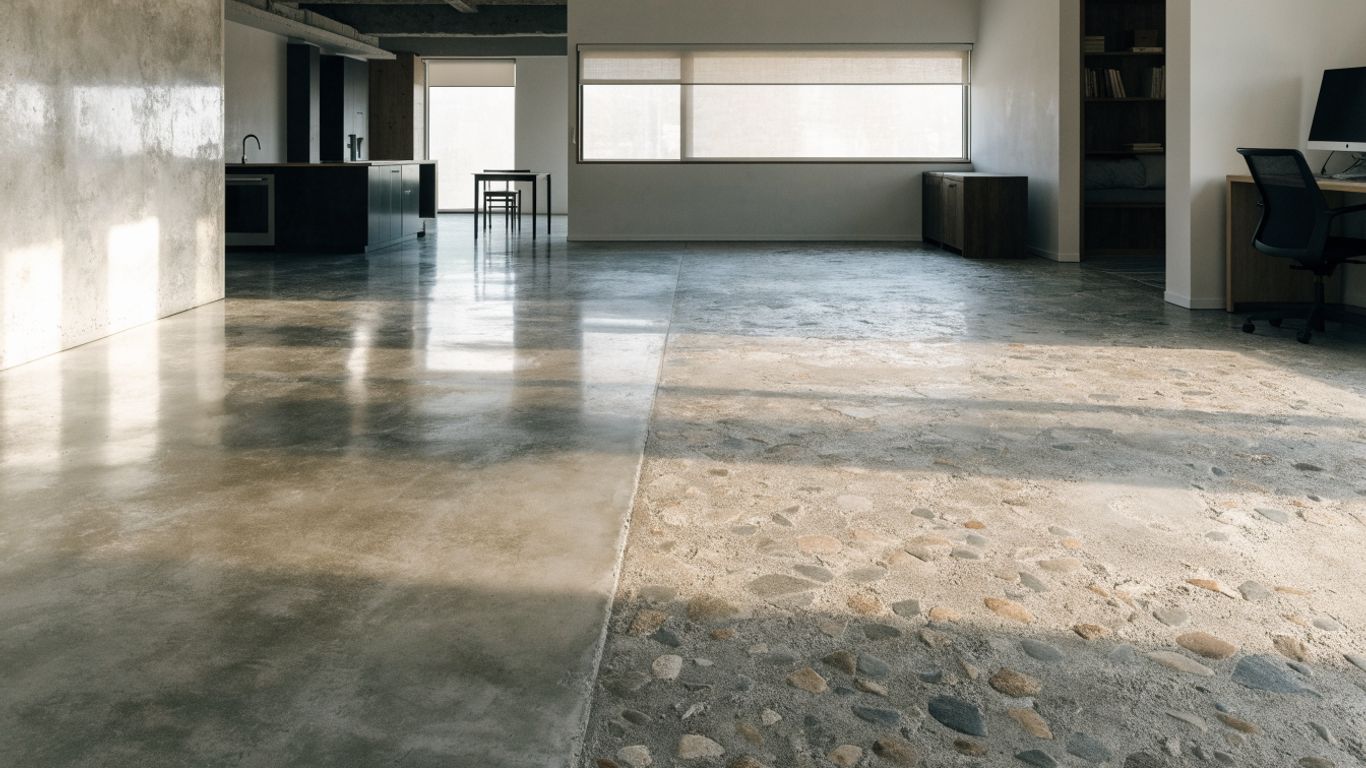
Grinding removes a controlled amount of concrete and can expose some of the aggregate within the slab. Further grinding and honing refine the surface, while polishing builds a chosen sheen through a series of progressively finer steps. The depth of cut affects the aggregate exposure, so the result depends on both the slab and the finish selected. For an existing floor, a sample grind can give a more reliable preview than a photograph of another project.
Repairs, resurfacing, and protective coatings
Cracks, chips, and worn patches may need repair before a floor is finished, though repairs can remain visible rather than blending perfectly into surrounding concrete. Where the slab is too damaged or uneven for the planned finish, a contractor can discuss suitable repair or resurfacing options. Protective treatments vary, too: a sealer may help limit staining or moisture penetration, while other coatings create a distinct surface layer. Ask what each treatment is intended to do and whether it suits the room’s traffic and exposure.
Signs your concrete floor may need rejuvenation
A floor does not have to be failing to benefit from attention. Gradual dullness, recurring dust, damage, or a finish that no longer performs as expected can all be reasons to arrange an assessment. The cause matters: a surface treatment may help with wear, but underlying movement or moisture may call for a different response.
Dullness, discoloration, and stubborn stains
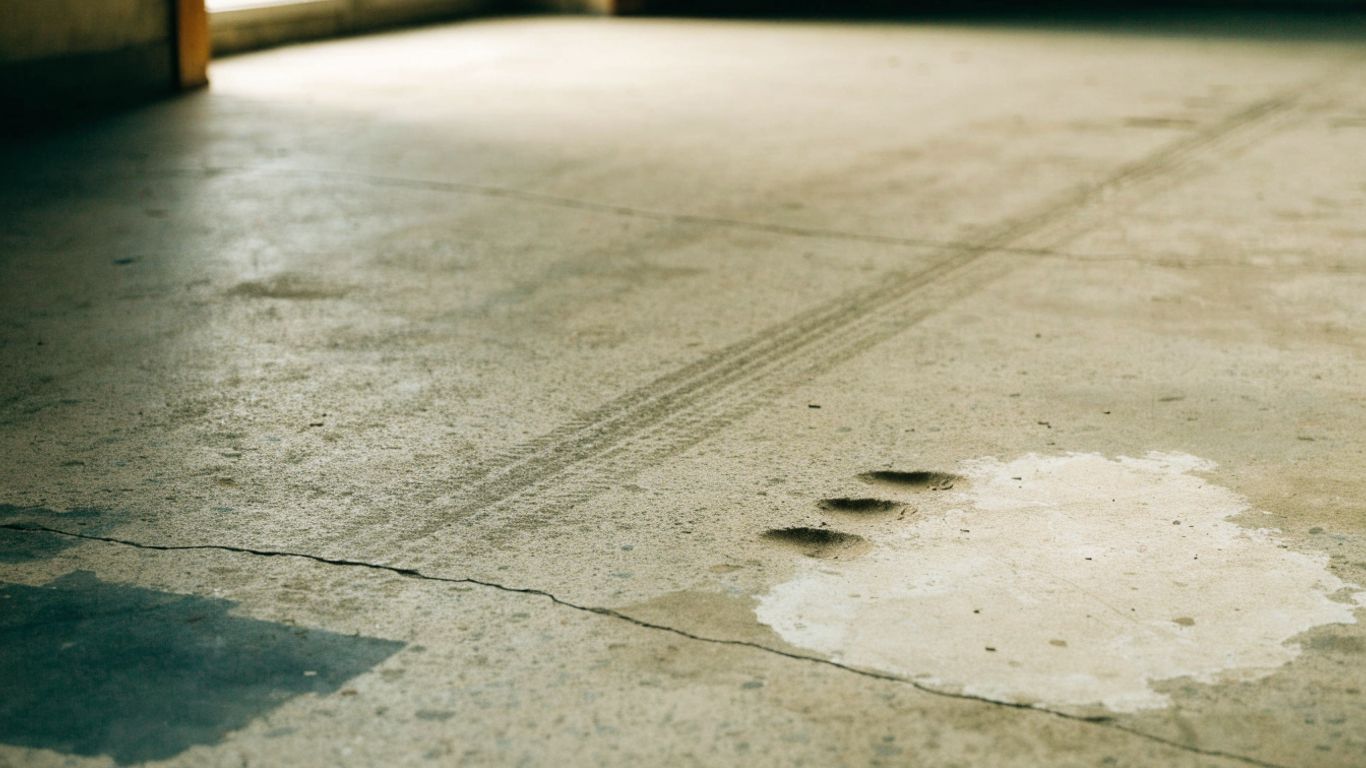
Changes in sheen or color can come from wear, residue, uneven exposure, old sealers, or differences in the concrete itself. Some stains sit near the surface and respond to cleaning; others penetrate more deeply and may still show after grinding. Polished concrete can also look patchy because of slab variation, trowel marks, or contamination, so a test area helps set realistic expectations. A contractor should explain what is likely to improve and what may remain part of the floor’s character.
Cracks, chips, and surface wear
Cracks and chips deserve a closer look, especially if they are widening, have uneven edges, or sit in a high-traffic route. Surface wear can also make a floor rough or visually inconsistent. Repairs can improve the condition and usability of the area, but a patch may not match the surrounding concrete exactly in color or texture. A useful assessment distinguishes cosmetic wear from problems that need more substantial repair.
Dusting, slippery areas, or coating failure
Fine dust that keeps returning may indicate surface breakdown or a finish that is no longer containing dust as intended. A peeling or flaking coating can expose the concrete and leave the floor difficult to maintain. Slippery areas require particular care: a polished interior finish and a textured surface designed for wet grip serve different purposes. For wet locations, talk through the conditions underfoot and the type of texture that may be appropriate.
How the rejuvenation process works
A reliable process starts with the actual floor, not a one-size-fits-all finish. The contractor should identify existing coatings, repairs, cracks, contamination, and any practical limits on access or downtime. From there, you can agree on a treatment plan with clear expectations about appearance, use, and timing.
Inspection and assessment of the concrete
The assessment considers the slab’s soundness, flatness, existing finish, and visible defects. The contractor may also ask how the room is used, whether moisture is a concern, and what finish you have in mind. For polished concrete, the slab and its history influence the result, including aggregate exposure and color variation. An on-site inspection is more informative than estimating from a photo alone.
Choosing the right treatment for the floor
The treatment should match both the slab and the job the floor needs to do. Grinding Dynamics creates polished concrete floors in Tauranga and across the Bay of Plenty, with options described from natural polish through to full aggregate exposure; its polished concrete options provide a starting point for discussing cut, texture, and sealing. The choices below are not interchangeable, but they can help frame the conversation with a contractor.
| Treatment | What it changes | A useful consideration |
|---|---|---|
| Cleaning and preparation | Removes surface dirt, residue, or some contaminants | Results depend on the type and depth of the mark |
| Grinding and polishing | Refines the concrete and sets aggregate exposure and sheen | The slab affects how consistent the result can be |
| Sealing | Adds a protective treatment to the prepared surface | Select a product suited to use and exposure |
| Repair or resurfacing | Addresses damaged or uneven areas | Repaired sections may look different from the original slab |
Use the table as a discussion guide, not a promise of a particular outcome. An assessment and test area can help show how the concrete responds before the full floor is treated.
Preparing, restoring, and sealing the surface
Once the scope is agreed, the work usually proceeds through preparation, any specified repairs, the chosen grinding or finishing steps, and sealing if appropriate. Edges and difficult-to-reach areas may need separate attention from open floor space. Grinding Dynamics also describes concrete grinding for coating preparation, slab leveling, adhesive removal, and finished floors; the concrete grinding service page outlines these kinds of work. A written scope should make clear which steps are included and what will happen if preparation reveals an unexpected issue.
Curing times and access to the space
Access depends on the products used, the work completed, and the conditions at the site. Ask when foot traffic can resume, when furniture can be returned, and whether the floor needs protection while a treatment cures. Polishing timing also depends on the slab: for new concrete, a minimum age of 28 days is a key planning point, with weather and slab protection affecting the schedule. Build some flexibility into the project rather than assuming every floor will be ready on the same timetable.
Choosing the right finish and treatment
The finish should work for the space as well as suit your preferred look. Consider how much traffic the floor will see, whether water or grit is likely, and how much maintenance is practical. A sample on the actual slab can help you judge color, aggregate exposure, and sheen before committing to a larger area.
Polished concrete for a low-maintenance surface
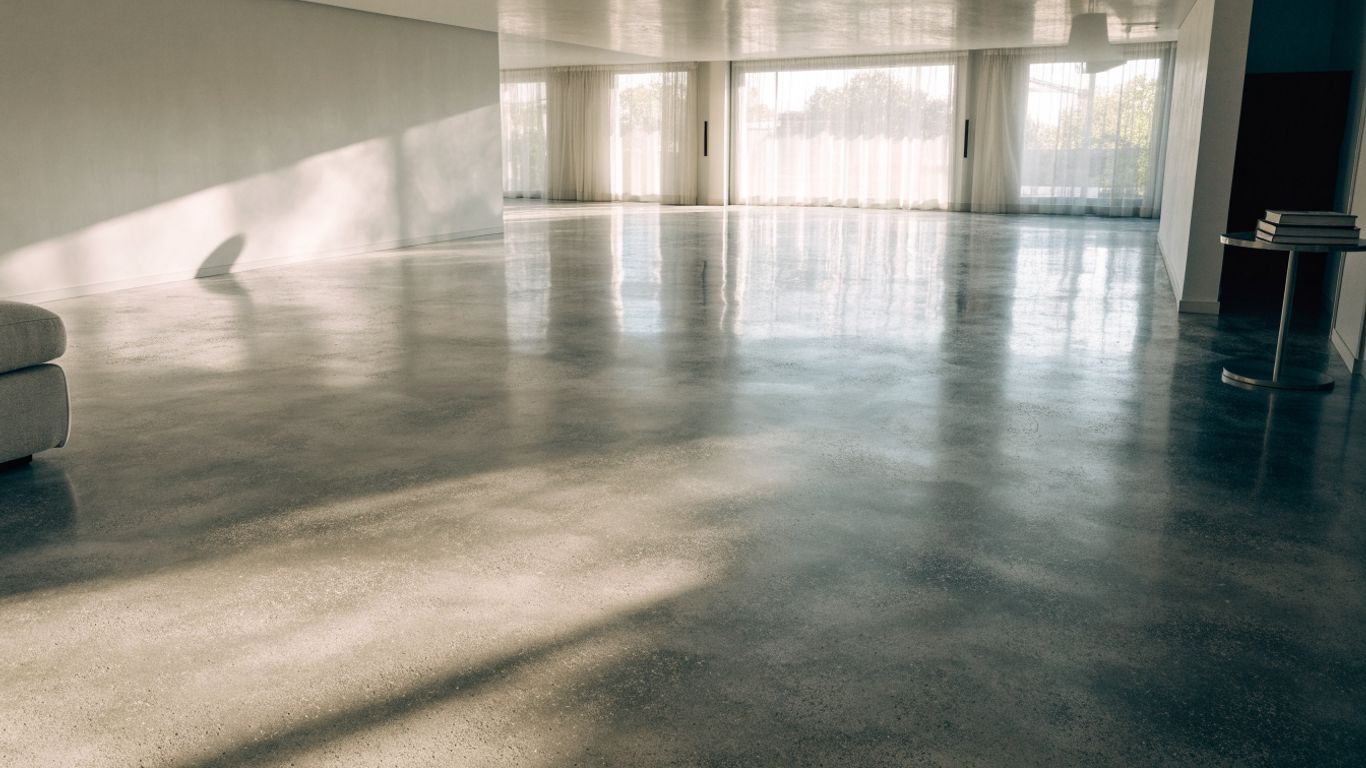
Polished concrete uses the existing slab as the finished floor rather than covering it with a separate floor layer. The cut depth influences how much aggregate shows, while the polishing process determines the sheen. A lower sheen may show light and marks differently from a higher polish, so consider the room’s lighting and expected traffic. The existing concrete remains the main determinant of its character.
Stains and dyes for a customized appearance
Stains and dyes can alter the floor’s color, but they do not make every slab look uniform. Color response can vary with the concrete mix, cement, aggregate exposure, and surface preparation. Discuss samples on the floor itself, and confirm when in the process any color treatment is applied. For a new slab, choices made before the pour can affect the finished appearance later.
Sealers and coatings for added protection
Sealers and coatings have different roles and create different surface effects. A sealer is selected for the surface and its intended use, while a coating forms a separate layer over the concrete. Ask how the product handles expected moisture, traffic, and cleaning, and whether it changes the floor’s sheen or grip. In areas that get wet, do not choose a finish on appearance alone; surface texture and safe footing matter.
Factors that affect service costs
A quote reflects more than the square footage of the room. The slab’s condition, the amount of preparation, the selected finish, and access to the work area all affect the scope. Comparing prices is most useful when each quote describes the same tasks and assumptions.
Floor size, condition, and repair needs
Larger floors generally involve more working area, but condition can be just as important. Old coatings, adhesive, unevenness, cracks, and difficult edges can add preparation or repair steps. A site visit helps identify those variables before work begins. Ask whether repairs are included in the price or listed as provisional items that may change once the surface is prepared.
Finish selection and number of treatment steps
A basic grind and a more refined polished finish involve different steps and equipment. Greater aggregate exposure may require a deeper cut, while a particular sheen may call for additional refinement. Sealing and any color treatment can also affect the scope. The contractor should describe the finish in practical terms—such as cut depth, visible aggregate, sheen, and maintenance—rather than relying on a label alone.
Site access, furniture, and project timing
Access affects how easily equipment and materials can reach the floor, and furniture may need to be moved before work starts. Occupied spaces, restricted work hours, stairs, or limited parking can affect scheduling and setup. A separate dealership service-floor example illustrates the kind of transformation possible in a commercial setting, though every slab and project scope is different. Confirm who handles moving items, protecting adjacent areas, and coordinating other work.
How to choose a concrete floor contractor
A contractor should be able to explain the work in plain language and be candid about what depends on the slab. Look for a clear assessment, a defined finish, and a written scope that describes preparation, repairs, and protection. The conversation before work begins is a good test of whether expectations are being set carefully.
Experience with similar floors and projects
Ask about projects with similar concrete, use, and finish requirements. A home garage, a retail floor, and a wet outdoor area place different demands on the surface. Examples can help you understand a contractor’s range, but they cannot predict exactly how your slab will look. Grinding Dynamics’ completed floor projects include ground, polished, textured, and sealed slabs, offering examples of how concrete can vary from job to job.
Questions to ask about products and warranties
Ask what preparation and treatment products are proposed, why they suit the floor, and what care they require. Clarify what a warranty covers, how long it applies, and whether it depends on particular maintenance practices. You can also ask how the contractor will handle cracks, stains, and areas that may not match. Specific answers are more helpful than a broad promise that the floor will look perfect.
Comparing detailed quotes and project timelines
A useful quote lists the work steps, finish, repairs, exclusions, and any conditions that could change the price. It should also state expected start and completion dates, curing considerations, and when the space can be used again. Before deciding, compare like with like: one quote may include coating removal or edge work that another leaves out. A clear timeline makes it easier to coordinate furniture, deliveries, and other trades.
Caring for rejuvenated concrete floors
Care depends on the finish and sealer, so follow the instructions provided for the products used on your floor. Regular cleaning can remove grit before it acts like an abrasive, while quick attention to spills helps limit staining. Maintenance is generally simpler when the routine suits the floor rather than relying on harsh or unsuitable cleaners.
Cleaning methods and products to use
Use a soft broom, dust mop, or vacuum suitable for hard floors to pick up loose grit, then clean with a product approved for the finish. Avoid assuming that a stronger cleaner will work better; some products can affect sealers or leave residue. A simple routine is often enough for everyday soil, with the occasional deeper clean guided by the contractor’s care advice. Test a new cleaning product in an inconspicuous area if its compatibility is uncertain.
Preventing scratches, stains, and moisture damage
Small habits can reduce everyday wear. In busy spaces, use entry mats and protect furniture feet so grit and dragging do less damage. These steps are especially useful where the floor sees frequent movement or occasional spills:
- Sweep or vacuum grit before it is walked across the floor.
- Wipe spills promptly, especially oils and colored liquids.
- Add suitable pads beneath furniture legs.
- Use mats where water or abrasive dirt commonly enters.
These precautions will not make concrete immune to marks, but they can reduce avoidable wear. If water is regularly present, check that the finish and cleaning routine are appropriate for that exposure.
When to reseal or schedule professional maintenance
There is no single resealing interval that suits every floor. Traffic, moisture, sunlight, cleaning products, and the type of sealer all affect how it wears. Watch for changes such as reduced water resistance, uneven sheen, or renewed staining, then ask a contractor to assess whether cleaning, maintenance, or resealing is appropriate. Follow the product guidance rather than applying another treatment over a surface that has not been properly prepared.
Conclusion
Concrete floor rejuvenation is a practical way to address wear and improve how a slab looks and performs, but the best result begins with an honest assessment. Choose a treatment that suits the floor’s condition and the way the space is used, and agree on the scope, finish, care, and timing before work starts. With realistic expectations and a suitable maintenance routine, the concrete can remain a durable, characterful part of the space.
Frequently Asked Questions
What does concrete floor rejuvenation involve?
It may include cleaning, removing old residue or coatings, grinding, polishing, repairs, resurfacing, and applying a suitable sealer. The right steps depend on the existing slab and the desired finish.
Can every concrete floor be polished?
No. A contractor should assess the slab’s condition, previous treatments, and suitability for polishing. Cracks, coatings, repairs, and the quality of the original concrete can affect the result.
Will grinding remove all stains from concrete?
Not necessarily. Some stains are near the surface, while others penetrate more deeply or reflect changes within the concrete. A test area can help indicate what may improve.
How long does concrete floor rejuvenation take?
Timing varies with floor size, preparation, repairs, treatment steps, site access, and curing requirements. Ask for a project schedule that distinguishes work time from the period before the floor can be used.
Is polished concrete slippery?
Slip resistance depends on the finish, surface texture, and conditions such as water or contaminants. A polished interior floor and a textured wet-area surface have different purposes, so discuss the location and use before selecting a finish.
How often should a concrete floor be resealed?
There is no universal interval. Traffic, moisture, exposure, sealer type, and maintenance all affect when resealing may be needed. Follow the product guidance and have the floor assessed if its performance changes.
Can repaired areas match the existing concrete?
Repairs can improve a damaged area, but an exact match in color, texture, or sheen is not guaranteed. The age and character of the surrounding slab influence how visible a repair may be.