
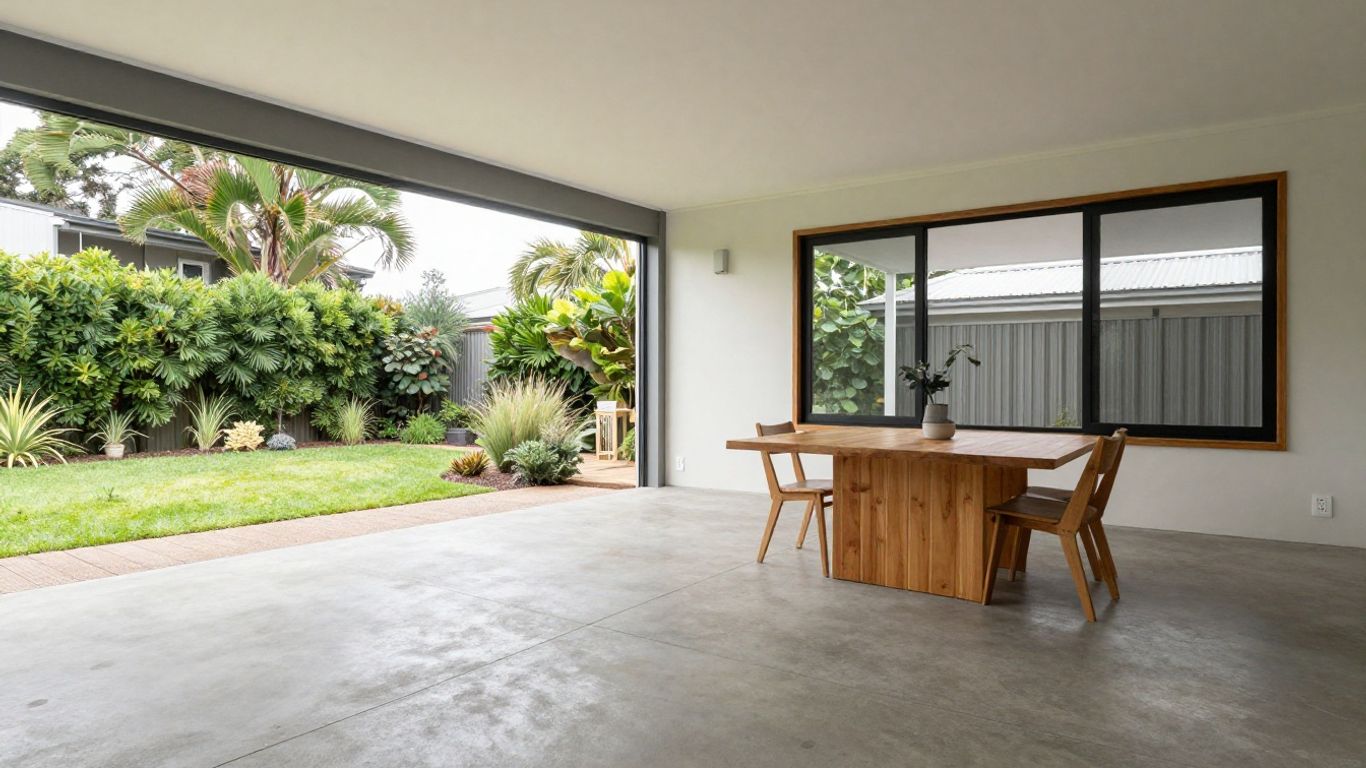
Concrete floor sealing in the Bay of Plenty: a practical guide to finishes, costs, and care
Plan concrete floor sealing Bay of Plenty with practical advice on sealer choice, preparation, costs, and care.
Published 7 October 2026
Key Takeaways
A good sealing plan starts with the slab and the conditions it will face, not simply the finish you like in a sample. Careful preparation and realistic expectations matter just as much as the sealer itself.
- Match the sealer to the concrete, the location, and the type of use.
- Check moisture, existing coatings, contamination, and surface condition before work begins.
- Ask how preparation, finish, slip resistance, and curing will be handled.
- Compare quotes by looking at the work included, not just the price per square foot.
- Use suitable cleaners and watch for changes that may signal resealing is due.
Why seal a concrete floor in the Bay of Plenty
Concrete is durable, but it is still exposed to spills, foot traffic, moisture, and weather. Sealing can help reduce staining and surface wear, though the right approach depends on the slab and how it is used. For concrete floor sealing Bay of Plenty projects, think through the conditions around the floor before choosing a product or finish.
Protecting floors from moisture, stains, and everyday wear
A sealer can limit how readily some liquids and contaminants enter the concrete, making routine cleaning easier and helping protect the surface from everyday use. It does not fix cracks, stop all moisture movement, or make concrete maintenance-free. If dampness is already present, find its source before sealing; one homeowner’s account of water wicking is a reminder that moisture problems need diagnosis rather than a quick surface treatment.
Matching the sealer to indoor and outdoor spaces
An interior living area, workshop, driveway, and covered patio have different demands. Indoors, the desired look and cleaning routine may guide the choice, while outdoor slabs must also contend with weather and exposure. Think about the surface’s daily use, and whether it needs a penetrating treatment or a visible surface film.
Considering coastal exposure and local conditions
Near the coast, salt and sand can reach concrete, while sun, rain, shade, and moisture vary from site to site. Those conditions can affect both sealer choice and how often the floor needs attention. Grinding Dynamics provides concrete grinding, texturing, and sealing; its professional concrete sealing in Tauranga service description also notes that sealer selection should suit the surface.
How to choose a concrete floor sealer
There is no single sealer that suits every slab. Begin with the purpose of the floor, its exposure, and the appearance you want, then check that the product is suitable for the concrete and conditions. A local sample or test area can help set expectations, since the slab itself affects the finished look.
Comparing penetrating sealers and surface coatings
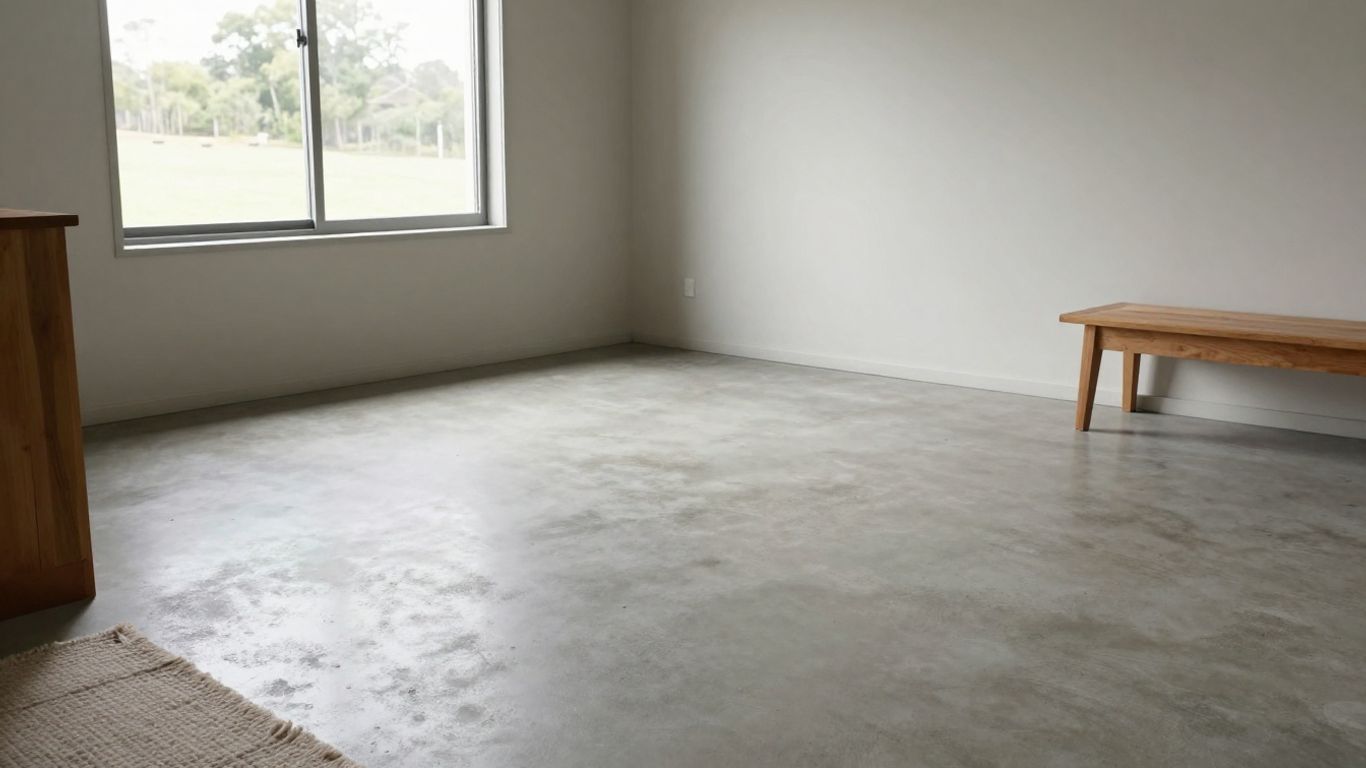
Penetrating sealers enter the concrete and generally leave little or no surface film, while surface coatings sit on top and create a more visible finish. Their feel, appearance, maintenance, and response to wear can differ. This comparison is a starting point, not a product specification; check the manufacturer’s guidance and suitability for your particular slab.
| Sealer approach | Typical appearance | Considerations |
|---|---|---|
| Penetrating sealer | Little or no visible film | Check suitability for the exposure and substrate |
| Clear surface coating | A visible film, often with sheen | Wear and future maintenance depend on the system |
| Tinted surface coating | A colored film | Confirm color, coverage, and preparation requirements |
| Unsealed concrete | Natural concrete appearance | Spills and surface wear may be more apparent |
The table can help narrow down the conversation, but the exact product and preparation matter. Ask what the chosen sealer will look like on your concrete and how it is expected to wear.
Choosing a finish, from matte to gloss
A matte finish can keep the concrete’s appearance understated, while a glossier coating changes how light reflects from the floor. Appearance can also vary with the concrete’s color, texture, and existing marks. If the floor is polished concrete rather than simply sealed, aggregate exposure and polish level are separate decisions that influence its character.
Checking slip resistance and maintenance needs
A finish that works in a dry interior may not be appropriate for a wet entry or outdoor area. Ask how the selected system performs in the expected conditions and what cleaning routine it needs. For wet areas, texture may be a more suitable route to grip than relying on a smooth coated finish; the choice should reflect actual use, including barefoot traffic where relevant.
How to prepare concrete for sealing
Preparation is a large part of the outcome. The sealer needs a sound, clean surface, and problems beneath it can affect adhesion or appearance. Before work starts, establish what is on the slab, whether moisture is present, and what repairs or preparation are likely to be needed.
Assessing the slab’s age, condition, and moisture
The slab’s age and condition help determine whether it is ready for the proposed treatment. For new concrete, follow the sealer manufacturer’s curing and moisture requirements rather than assuming that a particular number of days suits every system. On an existing floor, note cracks, soft or dusty areas, old repairs, and signs of dampness; investigate moisture before covering the surface.
Removing coatings, oil, dust, and other contaminants
Paint, adhesive, oil, old sealers, and fine dust can interfere with a new application. The right removal method depends on the material and the condition of the concrete, so first identify what is present. A quick inventory helps keep the preparation discussion focused:
- Old coatings, sealers, paint, or adhesive
- Oil, grease, and other spills
- Dust and loose surface material
- Residue from cleaning products or previous repairs
Once those issues are identified, agree on how each will be handled and whether further grinding or cleaning is needed. Grinding Dynamics offers concrete grinding and coating removal as part of its concrete preparation services, but the slab still needs to be assessed to establish the appropriate work.
Repairing cracks and addressing surface problems
Cracks, uneven patches, and surface damage should be reviewed before sealing. Repairs may remain visible, and a sealer does not make a weak or uneven slab sound. Discuss which defects can be repaired, what appearance to expect afterward, and whether a test area would help clarify the likely result.
What to expect during the sealing process
The process varies with the slab, the existing finish, and the product being applied. Usually, the work involves checking the surface, completing the required preparation, applying the selected sealer, and allowing it to cure. Clear access to the floor and realistic expectations about downtime make the job easier to plan.
Grinding or etching the concrete for adhesion
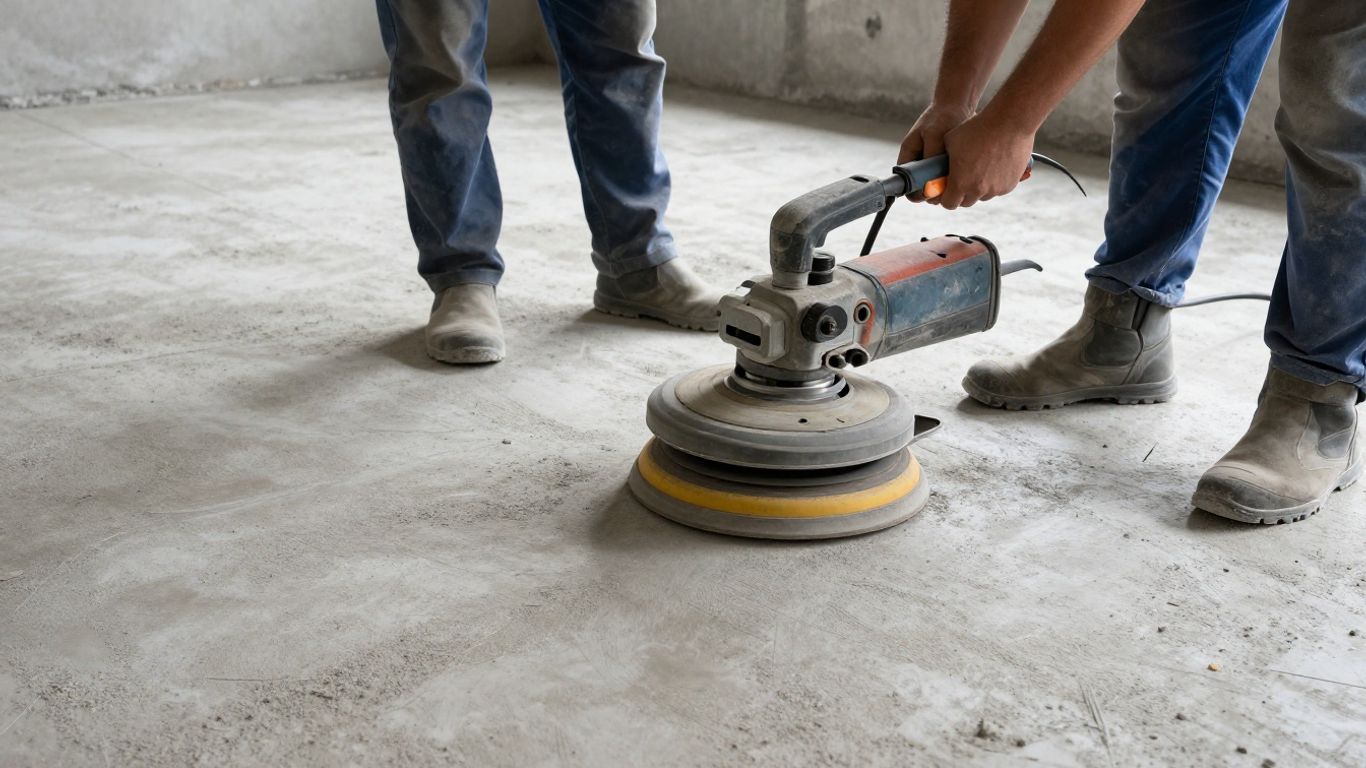
Some floors need mechanical grinding to remove residue or prepare the surface, while other systems may call for a different method. Etching is not interchangeable with grinding, and neither is appropriate for every slab or sealer. Grinding Dynamics describes its floor process as including slab inspection and preparation before sealing; the concrete floor process outlines the stages involved in its work.
Applying the sealer in suitable site conditions
Application conditions matter. Temperature, moisture, ventilation, and dust can affect how a product goes on and cures, so follow the manufacturer’s instructions and the installer’s site assessment. Grinding Dynamics’ documented services include sealing floors, with the process and finish considered in relation to the slab; the exact product and method should be confirmed for the job.
Allowing for curing before normal use
Dry to the touch does not always mean ready for full use. Keep people, pets, furniture, and vehicles off the floor for the period specified for the product and conditions. Confirm when light foot traffic is allowed, when heavier use can resume, and whether cleaning should be delayed; these intervals can differ between products.
What affects the cost of concrete floor sealing
The final price depends on more than floor area. Surface condition, access, the sealer selected, and the amount of preparation all affect the work involved. A useful quote describes the slab and the proposed scope clearly enough for you to compare like with like.
Accounting for floor size and surface condition
A larger floor usually requires more material and application time, but the condition of the concrete can change the work substantially. Old coatings, adhesive, oil, cracks, or uneven areas may require additional preparation or repair. Ask whether the quote is based on a site assessment and what assumptions have been made about the slab.
Comparing sealer types and preparation requirements
Two quotes may use different products or include different levels of preparation, so a lower total is not necessarily the same scope. Compare the main items side by side before deciding:
| Quote detail | What to clarify |
|---|---|
| Surface preparation | What will be removed, ground, or cleaned? |
| Sealer system | What type of product and finish are proposed? |
| Repairs | Which cracks or surface defects are included? |
| Access and protection | What site setup or protection is allowed for? |
Use the answers to identify differences in scope and confirm that the proposed system suits the floor’s use. If a quote does not describe preparation or product type, ask for those details before comparing prices.
Reviewing quotes, warranties, and potential extra work
Check what the quote includes, what could cost extra, and whether any warranty has conditions related to cleaning, use, or maintenance. A written scope can also clarify who moves furniture, protects nearby areas, and handles unexpected defects. Ask what happens if the slab reveals a problem once preparation begins, rather than leaving that conversation until the work is underway.
How to maintain a sealed concrete floor
Care needs depend on the sealer and the amount of traffic the floor receives. Basic, regular cleaning can help prevent grit and spills from becoming a bigger problem, but the wrong cleaning product may affect some finishes. Keep the product guidance from the installer or manufacturer with your maintenance notes.
Using cleaners suited to the sealer
Use a cleaner recommended for the particular sealer and avoid assuming that a strong chemical is better. Sweep or vacuum loose grit before damp cleaning so particles are less likely to scratch the surface. If you are unsure about a cleaning product, test it in an inconspicuous area and follow the sealer instructions.
Preventing scratches, stains, and premature wear
Wipe spills promptly, especially where oils or colored liquids are common. Use suitable pads under furniture and mats at busy entry points, while keeping outdoor dirt and sand from being tracked inside. These small habits reduce avoidable wear, though they cannot prevent every mark from traffic or impact.
Knowing when the floor may need resealing
Fading, changes in sheen, increased staining, or areas that look worn can indicate that the sealer needs attention. These signs do not all mean the same thing, so check the system and consider a professional assessment before applying another product. Resealing intervals depend on exposure, traffic, maintenance, and the specific sealer rather than a universal schedule.
Conclusion
A lasting result starts with understanding the slab, choosing a sealer for its actual conditions, and preparing the surface properly. Take time to compare finish, grip, care, and quote details, then follow the product guidance for curing and maintenance. That practical approach makes it easier to choose a sealed concrete floor suited to its place and everyday use.
Frequently Asked Questions
How long does concrete sealer take to cure?
Cure time varies by product and site conditions. Follow the manufacturer’s instructions and confirm when foot traffic, furniture, vehicles, and cleaning can resume.
Can every concrete floor be sealed?
Many concrete floors can be sealed, but suitability depends on condition, moisture, contaminants, and the proposed sealer. Assess the slab before selecting a system.
Does sealing stop water from entering concrete?
A sealer may reduce absorption, but it does not necessarily stop water movement or solve an underlying moisture problem. Find the source of dampness before sealing.
Should concrete be ground before sealing?
Not always. The preparation method depends on the concrete, existing coatings or residue, and sealer requirements. Some surfaces need grinding, while others may need a different approach.
Is a glossy concrete sealer slippery?
Slip performance depends on the product, texture, and conditions, especially when the floor is wet. Ask about suitability for the expected use rather than relying on sheen alone.
How often should a sealed concrete floor be resealed?
There is no universal interval. Traffic, exposure, maintenance, and the sealer all affect its service life; watch for wear and follow product guidance.
Can I clean sealed concrete with any household cleaner?
Not necessarily. Some cleaners may affect the sealer, so use a product recommended for that system and test an unfamiliar cleaner in a discreet area.