
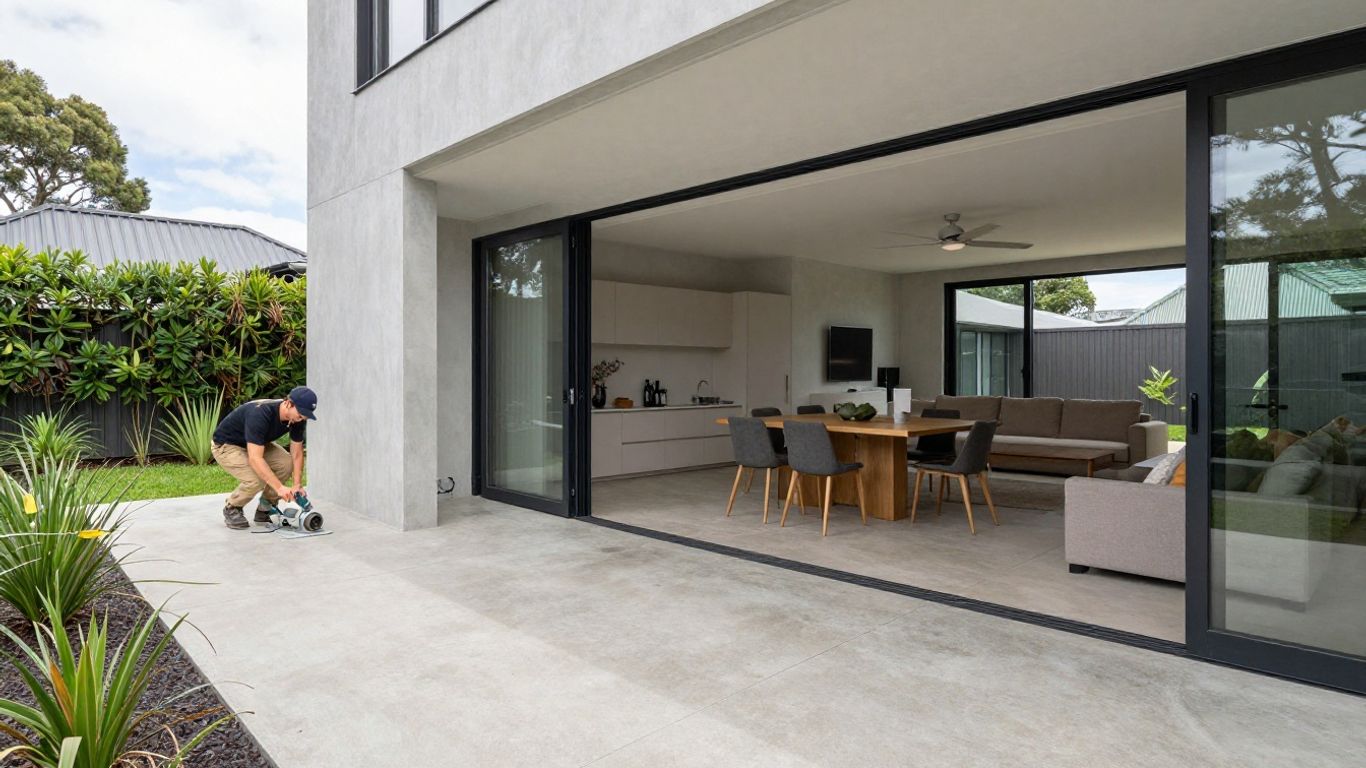
Concrete grinding Tauranga: A guide to methods, costs, and choosing a contractor
Plan concrete grinding Tauranga projects with guidance on methods, costs, contractors, and floor care.
Published 7 October 2026
Key Takeaways
Concrete grinding can correct some surface issues and prepare a slab for a new finish, but the concrete itself sets important limits. A clear scope and a written quote help avoid surprises.
- Grinding can remove coatings, adhesive, and some surface imperfections, but it cannot fix every slab problem.
- The grinding method and diamond tooling should suit the concrete and the intended finish.
- Floor area, access, slab condition, repairs, and dust control can all affect the cost.
- Compare contractors on the work included, their preparation practices, and the finish they say is achievable.
- Protect the result by following guidance on sealing, curing, and routine cleaning.
What concrete grinding can do
Concrete grinding removes material from the slab’s surface to address particular issues or prepare it for a chosen finish. The amount removed and the final appearance depend on the concrete’s condition and how it was placed. For concrete grinding Tauranga projects, start by identifying what the floor needs to do, not just how you want it to look.
Remove uneven spots, coatings, and surface imperfections
Grinding can reduce raised areas, take off old coatings or adhesive, and remove some surface residue. How much it can correct depends on the depth and type of the problem; deep cracks, movement, or major changes in level may call for repair or a different solution. Concrete grinding in Tauranga can include preparation, leveling, and adhesive or coating removal, but an assessment is needed to confirm what is suitable for a particular slab.
Prepare concrete for new flooring or coatings
A properly prepared surface gives a new flooring system or coating a more suitable base. The preparation method depends on what is being applied and what remains on the concrete, so it is worth confirming the required surface condition with the installer before work begins. Grinding Dynamics provides concrete grinding for preparation, leveling, adhesive and coating removal, and ground-and-sealed finishes for homes and commercial spaces.
Create a smoother or more polished finish
Grinding can change the surface texture and, with further steps, form part of a polished concrete process. Polishing exposes the concrete and aggregate to a chosen depth; the result varies with the slab, including its mix and finish. Polished concrete floor options are best considered alongside a slab assessment rather than as a guaranteed appearance from photographs alone.
Understand when grinding may not be the right solution
Grinding is not a substitute for every repair. If a slab has substantial movement, structural damage, or deep unevenness, the issue may need evaluation before surface work is considered. A test patch can help show what is beneath the surface, though it cannot remove the need to agree on realistic expectations for the whole floor.
Common concrete grinding methods
The right approach depends on the job: removing residue, preparing concrete, or working toward a finished floor calls for different decisions. Contractors also consider dust management, the slab’s hardness, and access around edges. These practical differences matter more than choosing a method by name alone.
Choose between dry and wet grinding
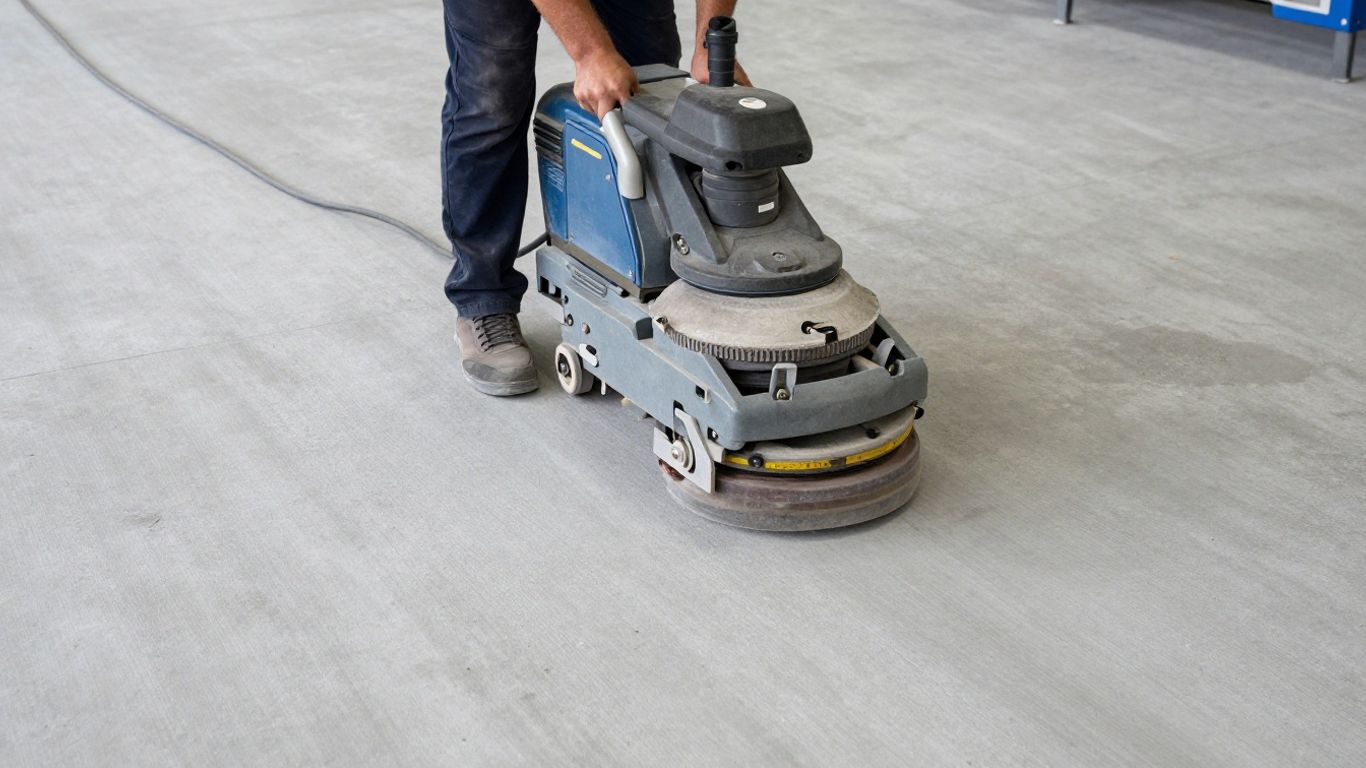
Dry grinding uses dust extraction equipment to collect dust as the grinder works. Wet grinding uses water to control dust and produces slurry that must be managed. The appropriate choice depends on the surface, site conditions, equipment, and how waste can be handled; ask the contractor what they propose and why.
Match diamond tooling to the concrete surface
Diamond tooling is selected to suit the concrete and the stage of work. A contractor may adjust tooling as the surface changes, rather than using a single setup from start to finish. For a finished floor, the depth of cut also affects how much of the slab’s aggregate is revealed, so the surface should be assessed before settling on a target appearance.
Compare grinding with honing and polishing
Grinding removes material to flatten, prepare, or expose the surface. Honing and polishing involve further refinement, with the selected process shaping the final sheen and feel. Grinding Dynamics provides polished concrete floors in Tauranga; the slab assessment and the finish choices help determine what that work can achieve on an individual floor.
Account for edges, corners, and hard-to-reach areas
Large floor grinders cannot reach every edge or confined area, so smaller equipment and hand work may be needed around walls, doorways, columns, and fixtures. Those areas can look different if the process or access differs from the open floor. Confirm which edges are included in the scope and how the contractor plans to treat them.
What affects the cost of concrete grinding in Tauranga
A reliable quote reflects the work needed on the actual floor, not just its square footage. Access, existing coatings, slab condition, the required finish, and cleanup can all change the time and equipment involved. When comparing estimates, look for the assumptions behind the price as well as the total.
Consider floor area and project access
Larger areas can take longer, but room shape and access also matter. Stairs, narrow routes, occupied spaces, or limited room for equipment and waste handling may affect the work plan. Give contractors clear information about the site so their estimates are based on comparable conditions.
Assess the concrete’s condition and hardness
The slab’s condition can influence both the grinding sequence and the amount of work required. Existing coatings, unevenness, surface damage, and concrete hardness are among the factors that a site visit or test patch can clarify. The table below is a useful way to frame questions when reviewing a quote.
| Quote factor | Why it can matter | Question to ask |
|---|---|---|
| Floor area and layout | Influences equipment time and edge work | What areas are included? |
| Slab condition | May require extra preparation or repairs | What did the inspection find? |
| Coatings or adhesive | Can add removal steps | Is removal included? |
| Dust and waste | Affects site setup and cleanup | How will dust and waste be managed? |
Treat the table as a prompt for discussion, not a price calculator. A contractor should explain how the visible conditions affect the scope and identify any uncertainties before work starts.
Factor in coatings, repairs, and desired finish
Removing old material and repairing damage can add separate tasks before the final surface is ready. A more exposed or polished finish may also require additional grinding and refinement compared with basic preparation. Ask for each of those elements to be described separately so you know what is included and what could change after inspection.
Ask how dust control and waste handling affect the quote
Dust extraction, protecting adjacent areas, and collecting or disposing of slurry can all require planning. The details depend on the chosen grinding method and the site. Ask how the contractor will control dust and handle waste, and make sure the quote says whether those tasks are included.
How the grinding process works
The sequence varies with the slab and intended result, but a sound job begins with understanding the surface and agreeing on the scope. Preparation, grinding, and inspection all contribute to the final outcome. The concrete itself remains the finished surface, so the slab’s existing character matters throughout.
Inspect the slab and confirm the project scope
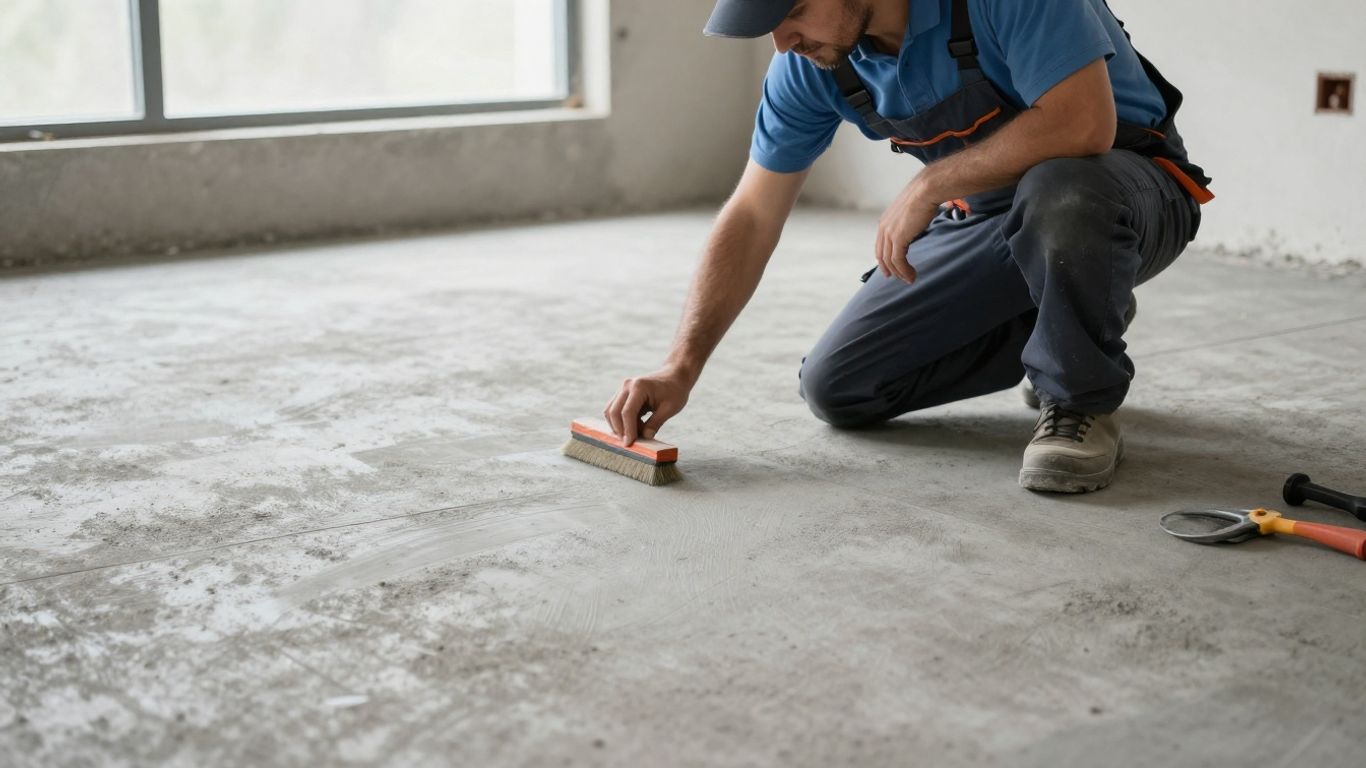
A contractor should look at the floor, note visible damage or residue, and discuss the result you want. A test patch can reveal more about the slab’s condition, color, and aggregate than a general example can. Grinding Dynamics assesses slabs before recommending a flooring solution, and a sample grind on your slab can help guide decisions about the finished surface.
Prepare the area and protect nearby surfaces
Before equipment arrives, the work area needs to be cleared and nearby surfaces considered. Doors, walls, fixtures, and adjoining rooms may need protection from dust or accidental contact. Agree on who moves furniture and how the contractor will access the floor, particularly if the site will remain occupied.
Grind in stages and manage dust
Grinding is generally carried out in stages, with the contractor checking the surface as the work progresses and adjusting the approach where needed. Dust collection or water use depends on the method chosen, while edges and corners often need separate attention. The slab sets the limit: grinding can reveal or refine what is there, but it cannot make every underlying variation disappear.
Check the surface before any sealing or finishing
Before sealing or applying another finish, review whether the agreed preparation has been completed and whether repairs remain. The slab should be assessed against the project’s intended use, not just its appearance. If the finish depends on a particular exposure or sheen, confirm the result and any remaining steps before moving on.
How to choose a concrete grinding contractor
A good contractor explains both the work they recommend and the limits of what grinding can do. Clear scope, suitable equipment, and communication about the slab are as important as a polished-looking project photo. Ask practical questions and compare proposals on the same basis.
Review relevant experience and project examples
Look for examples that resemble your project in scale, slab condition, and intended use. Ask what the examples involved and whether the finish came from a similar concrete surface. Photos can help you discuss preferences, but the contractor should explain that your own slab may look different.
Confirm equipment, dust controls, and work practices
Ask what equipment and dust controls will be used, how edges will be treated, and how the work area will be kept orderly. A concise set of questions makes the conversation easier and helps expose gaps in a proposal:
- What surface preparation is included?
- How will dust or slurry be controlled and removed?
- How will corners and edges be treated?
- What repairs or additional work are excluded?
The answers should make clear what happens during the job and what falls outside the quote. If the scope remains vague, ask for it to be clarified in writing before booking.
Compare written quotes and included services
A written quote should identify the area, preparation, coating or adhesive removal, repairs, dust management, and any sealing or finishing that is included. Check that each contractor is quoting on the same assumptions; a lower figure may cover less work. If the slab needs further investigation, ask how changes to the scope will be discussed and priced.
Clarify scheduling, warranties, and surface expectations
Confirm the likely schedule, access requirements, and any time needed before the floor can be used. Ask what the contractor says about the expected finish and whether a warranty applies to the work or materials. Concrete varies, so clear expectations should account for the actual slab rather than promising a perfectly uniform result.
How to prepare for and maintain a ground concrete floor
Preparation starts before grinding day and continues after the contractor leaves. Clear access and realistic plans for disruption help the work proceed smoothly. Once complete, follow care guidance that suits the finish and any sealer used.
Clear the work area and coordinate access
Remove furniture, rugs, and loose items from the work zone, and agree on how the crew will enter and move equipment. If fixtures cannot be moved, discuss them ahead of time so the contractor can plan around them. For a commercial site, coordinate access with staff or tenants and identify any areas that need to stay open.
Plan around noise, dust, and temporary disruption
Grinding equipment can be noisy, and work may make parts of a building temporarily inaccessible. Ask when the work will take place and how long the area is expected to be out of use. Dry and wet methods create different cleanup needs, so confirm the plan rather than assuming the work will be disruption-free.
Follow guidance for sealing and curing
If sealing is included, use the contractor’s instructions for re-entry and any curing or drying period. Grinding Dynamics offers concrete sealing for floors, garages, driveways, and outdoor surfaces, with sealer selection and preparation based on the concrete and its setting. Confirm which sealer is being used and what care is recommended before putting the floor back into service.
Use suitable cleaning methods to protect the finish
Regularly remove loose grit and use cleaning products suited to the floor and its sealer. Abrasive tools or unsuitable chemicals may affect some finishes, so ask for care instructions specific to the work completed. For busy areas, a simple routine and prompt attention to spills can help keep the surface looking cared for.
Conclusion
Concrete grinding can prepare a floor, address some surface issues, or form part of a more refined concrete finish, but the existing slab shapes what is possible. A careful assessment, a specific written scope, and sensible expectations make it easier to compare contractors in Tauranga. Ask questions about the method, dust control, repairs, finish, and care before work begins.
Frequently Asked Questions
The right answers depend on the floor and the intended use, so these points are best treated as a starting place for a site-specific discussion. A contractor can confirm what applies after inspecting the slab. Keep the agreed scope and care instructions in writing.
How much does concrete grinding cost in Tauranga?
Cost depends on the floor area, access, slab condition, coatings or adhesive to remove, repairs, finish, and dust or waste handling. Request a written quote based on an inspection and compare what each estimate includes.
How long does concrete grinding take?
Timing varies with the floor size, condition, access, and the work required. Ask the contractor for a schedule that accounts for preparation, grinding, cleanup, and any sealing or finishing.
Can grinding make an uneven concrete floor level?
Grinding can reduce some high spots, but it may not correct major unevenness or deep changes in level. The slab should be assessed to determine whether grinding, repairs, or another approach is appropriate.
Does concrete grinding create a lot of dust?
Grinding can create dust, but contractors may use extraction equipment or water to manage it. Ask which method will be used and how the work area and waste will be handled.
Can old glue or coating be removed by grinding?
Grinding can remove some adhesive and coatings, but the result depends on the material and the concrete beneath it. Have the surface assessed so the contractor can explain the likely preparation and any limitations.
Is grinding the same as polishing concrete?
No. Grinding removes material and can prepare or expose the concrete, while polishing involves further refinement to reach a selected surface finish. The exact sequence depends on the slab and desired result.
How should I clean a ground concrete floor?
Use the cleaning approach recommended for the finish and any sealer. Remove loose grit regularly, clean spills promptly, and avoid products or tools that could damage the surface.