
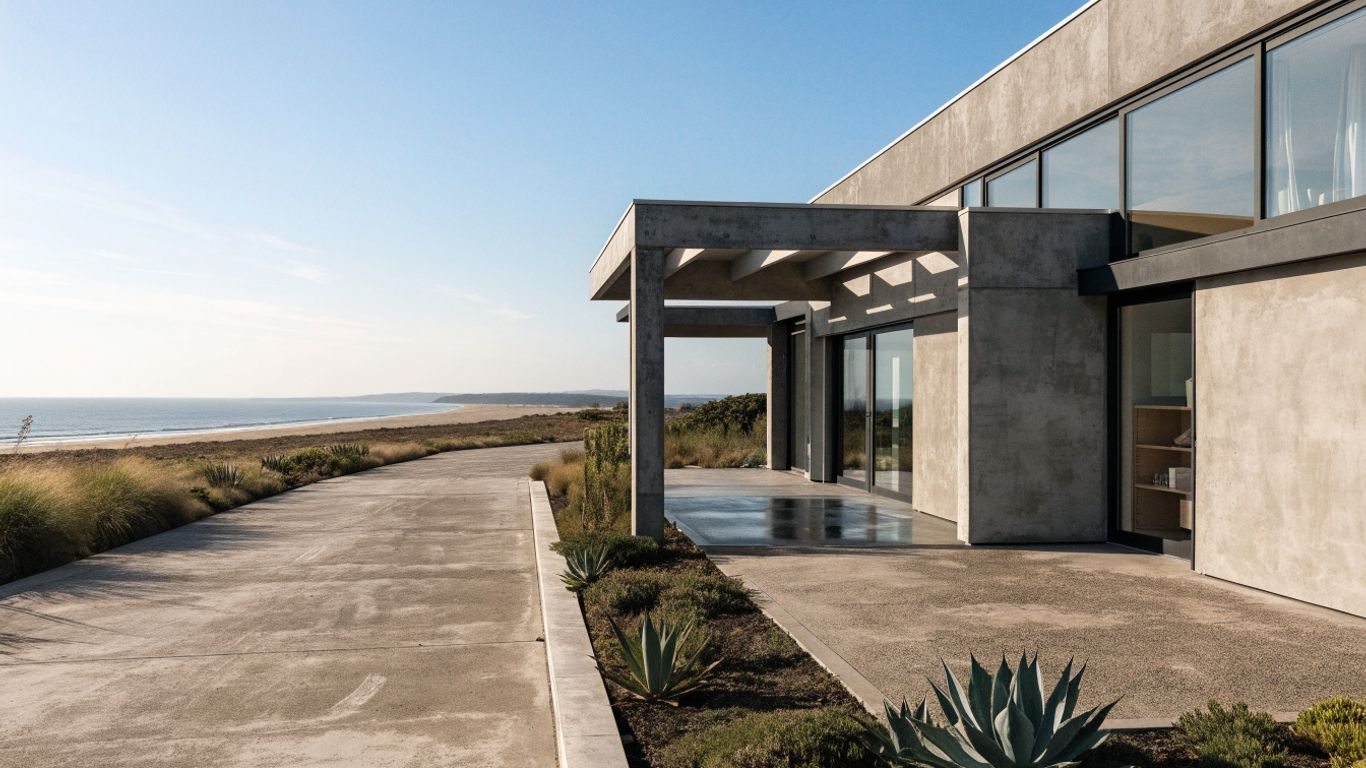
Best concrete sealing Tauranga: 10 factors for choosing the right service
Compare prep, finishes, safety, quotes, and upkeep when choosing the best concrete sealing tauranga service.
Published 29 October 2026
Key Takeaways
Choosing a concrete sealer starts with the slab and the way the area will be used, not just the finish you like. Compare preparation, safety, product guidance, and the scope of each quote before deciding.
- Ask how the local climate and exposure affect sealer choice and maintenance.
- Check that the contractor assesses the slab and explains preparation steps.
- Match the sealer and finish to the surface and its intended use.
- Discuss wet grip, product safety, and care requirements before work begins.
- Compare written quotes, warranty terms, and relevant recent projects.
1. Experience with Tauranga’s climate
The best concrete sealing tauranga service should understand that local conditions can affect how an outdoor surface performs. Coastal salt, strong UV exposure, windblown sand, and periods of moisture all deserve consideration when discussing a sealer and a maintenance plan. Ask how the contractor accounts for the particular site rather than relying on a standard answer.
Grinding Dynamics provides concrete sealing in Tauranga, with sealer selection and application informed by the space and the preparation required. When discussing your project, describe how the surface is exposed: a sheltered patio, a sunny driveway, and a pool surround do not face identical conditions. A useful conversation connects those details to the proposed work without promising that any finish will be maintenance-free.
If the property is close to the coast, ask how salt and moisture could influence inspection and resealing intervals. Also find out whether the surface needs time to dry before application and how changing weather could affect the schedule. Clear answers about site conditions are more useful than a broad claim that one product suits every outdoor slab.
2. Knowledge of concrete types and conditions
Concrete varies from slab to slab, and the existing surface has a strong influence on the finished result. Ask whether the contractor will inspect the concrete for wear, cracks, previous coatings, contamination, and differences in porosity before recommending a system. Those observations help identify what sealing can reasonably do and where repairs or other preparation may be needed.
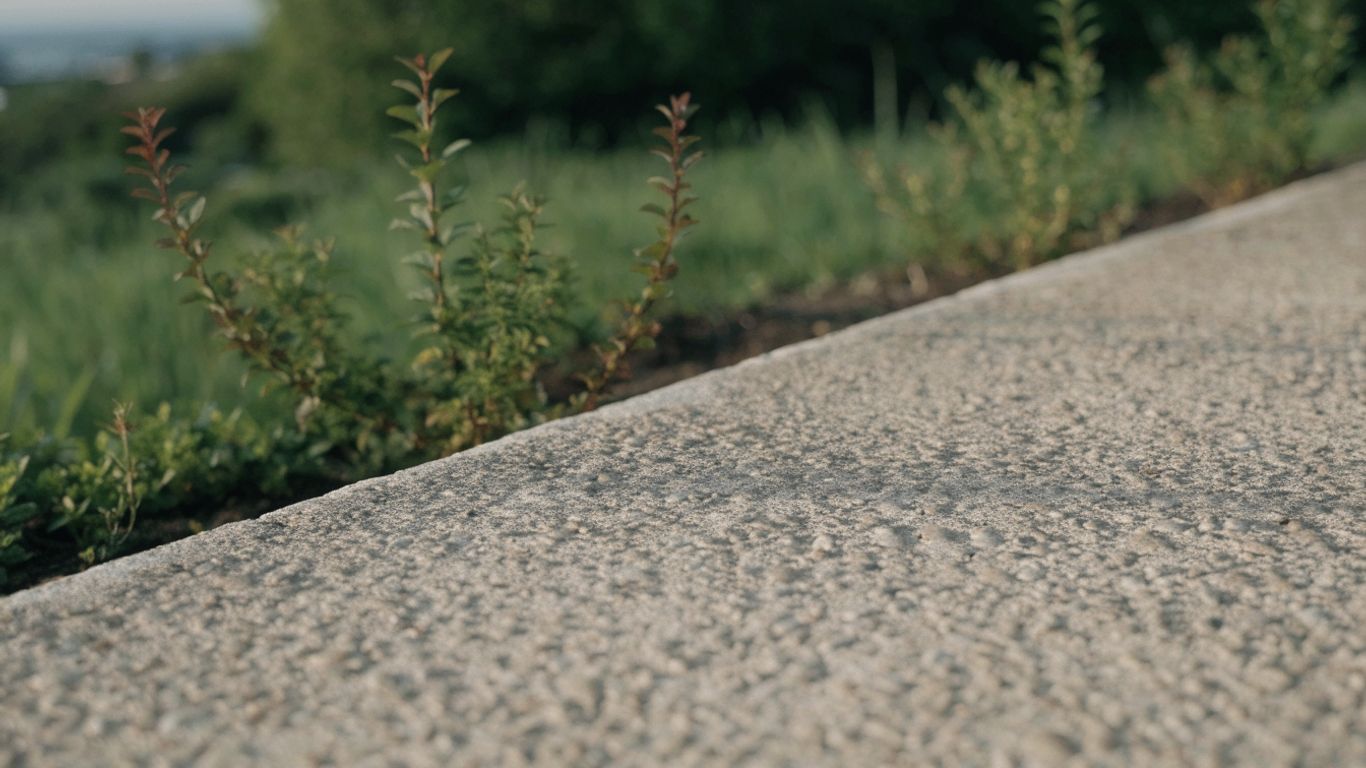
Exposed aggregate, brushed concrete, and a smooth interior slab each present different surface characteristics. The amount of aggregate at the surface, the condition of the cement paste, and any old treatment can all affect how a sealer looks and performs. A contractor should explain what is visible in your concrete, rather than treating a photograph of another job as a forecast of your result.
For new work, discuss the slab and finish before the concrete is poured; for an existing surface, ask whether a test area would help confirm its condition. The local aggregate and cut depth can change the appearance of a polished finish, while colour choices and previous coatings can add further variables. The practical point is to base the recommendation on your slab, not on a generic sample alone.
3. Surface preparation methods
A sealer can only be applied effectively when the surface is ready for the proposed system. Ask what the preparation includes and how the contractor will address dirt, loose material, old coatings, adhesive, oil, or other contamination. The answer should be specific to what is actually present on your concrete.
Grinding Dynamics offers concrete grinding for preparation, among other concrete finishing services. Depending on the surface, preparation may involve cleaning, mechanical grinding, removal of old material, or local repairs; not every slab needs the same sequence. Before work starts, ask the contractor to explain which steps are included and why they suit the site.
A short checklist can make that discussion more concrete:
- What existing coatings, glue, or buildup need removal?
- Does the slab need levelling or repair before sealing?
- How will dust and debris be controlled during preparation?
- What condition must the surface reach before sealer application?
The answers help you distinguish necessary work from a vague line item labelled preparation. They also make it easier to understand how access, repairs, and the surface condition may affect timing and cost. If the slab reveals an issue once work begins, ask how changes will be discussed and approved.
4. Sealer type and finish options
Sealers differ in how they interact with the concrete and in the appearance they leave behind. Before choosing one, clarify whether the priority is a natural-looking surface, a particular sheen, easier cleaning, or added protection for a specific exposure. The suitability of an option depends on the substrate and the product instructions, so ask for a recommendation tied to your slab.
It can help to compare the options in practical terms rather than choosing by a finish name alone. The table below is a starting point for questions to take to a contractor, not a product specification. For a sense of commonly used finish descriptions, see natural, matt, or gloss finishes.
| Finish or approach | What to ask about | Practical consideration |
|---|---|---|
| Natural appearance | Will the sealer change the slab’s color or sheen? | Check against a sample on the actual concrete. |
| Matt finish | How will the product look in the site’s light? | Discuss cleaning and ongoing care. |
| Gloss or wet-look finish | Is this suitable for the surface and exposure? | Ask how wear or scratching may show. |
| Penetrating or topical system | How does the product suit this concrete? | Confirm preparation and maintenance instructions. |
A sample or test area can help you see the effect on your own concrete, though the whole slab may still vary in color or texture. Ask for the product name, application details, and care guidance in writing so you can compare options accurately. The right choice balances appearance with use, exposure, and upkeep.
5. Suitability for the area being sealed
Start by explaining what the space needs to do. A garage, walkway, patio, commercial floor, and pool surround face different traffic, cleaning, and weather demands. The sealer should be considered as part of the whole surface plan, including concrete condition and any need for texture or repairs.
For interior floors, consider foot traffic, furniture movement, cleaning habits, and whether the slab has an old coating to remove. Outdoors, consider sunlight, water exposure, grit, and the way people move across the area when it is wet. A contractor should be able to discuss these use patterns without implying one treatment fits every location.
If the area is large or has several uses, identify zones that may need different advice. For example, a sheltered sitting area and a frequently wet path can call for different priorities, even if they are part of one concrete project. Confirm which areas are included in the quote and whether transitions or edges need separate attention.
6. Slip resistance and safety
A surface that is regularly wet deserves particular attention to grip, especially around pools, ramps, steps, and entrances. Ask how the proposed treatment affects traction and whether the recommendation is appropriate for barefoot or shod use. A finish that looks appealing when dry is not, by itself, evidence of safe wet performance.
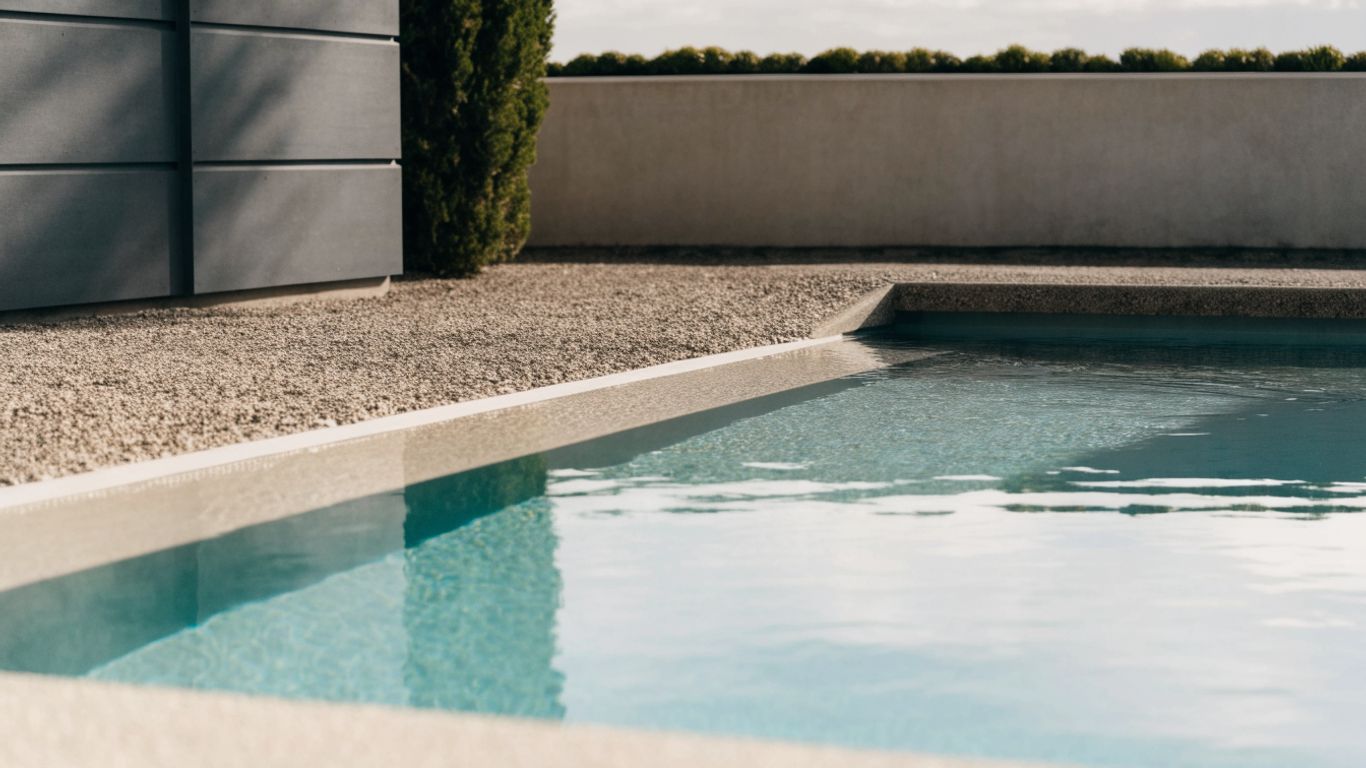
Grinding Dynamics provides concrete texturing in Tauranga, including bush hammering to create grip cut into the concrete. Texturing and sealing are distinct considerations: ask how the texture, sealer, and intended use work together, and what maintenance may be needed. No finish should be described as eliminating slip risk in every condition.
Request a clear explanation of the expected surface feel and how the contractor assesses it for your site. Wet leaves, algae, sand, footwear, and cleaning practices can affect traction after installation, so day-to-day care matters too. If safety is a key requirement, ask what guidance or documentation is available for the system being proposed.
7. Environmental and health considerations
Before work begins, ask what products will be used and request the relevant product information. This lets you understand handling precautions, ventilation needs, and any restrictions on access while the product is being applied or cured. Keep the discussion specific to the chosen system rather than assuming all sealers have the same requirements.
For outdoor work, ask how the crew will protect nearby planting, drains, and adjacent surfaces during preparation and application. Find out how dust, residue, and leftover materials will be managed, and whether the work area needs to be kept clear during a particular period. Practical arrangements should be explained before the job starts.
If people, pets, or business operations need access to the area, make a plan for keeping them away until the contractor says it is ready for use. Confirm the expected schedule and any product-specific instructions in writing. This helps avoid confusion without treating a general drying estimate as a guarantee for every site.
8. Pricing, quotes, and what’s included
A useful quote explains the work, not just the price per area. It should identify the surfaces included, preparation steps, repairs or exclusions, the proposed sealer, and how many coats or applications are specified where relevant. If something depends on what is found under an old coating, ask how that uncertainty will be handled.
When comparing quotes, check whether they describe the same scope and surface condition. Access, grinding depth, removal of existing material, repairs, finish choice, and travel can all affect the total cost. A lower figure may leave out work that another quote includes, so clarify differences before making a decision.
Ask how variations will be approved if the slab needs additional preparation once work begins. Get the expected timing, payment terms, and cleanup responsibilities in writing as well. A clear scope reduces surprises and gives you a fair basis for comparing proposals.
9. Warranty and maintenance guidance
Ask what the warranty covers and what it excludes before accepting the work. Clarify whether it relates to workmanship, the product, or both, and how long the coverage applies. The written terms should also explain what could affect a claim, such as damage, unsuitable cleaning products, or conditions outside the contractor’s control.
Maintenance advice should match the product and the area being sealed. Ask which cleaning methods are recommended, what to avoid, and what signs of wear or deterioration to watch for. For exposed outdoor surfaces, discuss how often the area should be inspected and what circumstances may call for resealing.
Keep the product details, warranty terms, and care instructions with your project records. That information is useful if you later need to arrange maintenance or explain the surface history to another contractor. A realistic plan acknowledges that traffic, weather, and slab condition influence how the finish ages.
10. Reviews, references, and recent projects
Reviews can help you understand how a contractor communicates, keeps a site organized, and handles questions, but they do not guarantee the same result on your property. Look for comments that describe work similar to yours, such as outdoor sealing, an existing slab, or a high-use area. Recent examples are especially useful when the scope and conditions are comparable.
Ask whether you can see a completed project or speak with a reference, subject to the customer’s permission. When viewing a job, consider the concrete type, exposure, and age of the finish rather than judging only from a photograph. A reference may also be able to describe how the contractor dealt with unexpected repairs or schedule changes.
Use the conversation to check the details behind the finished appearance: what preparation took place, what the quote included, and what maintenance was recommended. Contractors should be comfortable explaining the limits imposed by the slab itself. That candor is a better basis for trust than a promise that every project will look exactly like a sample.
Conclusion
Choosing a concrete sealing service in Tauranga means matching the preparation, sealer, finish, and care plan to the actual slab and its setting. Ask for a site-specific recommendation, a clear written scope, and realistic guidance on safety and upkeep; those details make it easier to choose a service that suits the way you use the concrete.
Frequently Asked Questions
How do I choose a concrete sealer for an outdoor surface?
Consider the concrete’s condition, sun and moisture exposure, traffic, and desired appearance. Ask a contractor to assess the site and explain why a particular system suits it.
Does concrete need preparation before sealing?
Usually, the surface must be clean and suitable for the product, but the exact work depends on its condition. Old coatings, contamination, damage, or uneven areas may require additional preparation.
Can sealing change the color or sheen of concrete?
It can affect how the surface looks, depending on the sealer and the concrete. A sample or test area on the actual slab is a more useful guide than a generic photograph.
How can I make a sealed concrete area safer when wet?
Discuss the intended use and wet conditions with the contractor, and ask how the selected finish affects grip. Cleaning and maintenance also matter, and no treatment removes every slip risk.
What should a concrete sealing quote include?
Look for a written description of the area, preparation, repairs or exclusions, proposed product, finish, timing, and any additional charges that could apply if the slab needs extra work.
How long does a concrete sealer last?
There is no single lifespan that applies to every surface. Exposure, traffic, product choice, slab condition, and maintenance all influence how the finish wears.
What maintenance does sealed concrete need?
Follow the product-specific cleaning instructions and inspect the surface for wear. Ask the installer what to avoid and when the concrete may need assessment or resealing.