
Concrete grinding Tauranga: A complete guide to costs, process, and polished finishes
Concrete grinding Tauranga guide to process, finishes, costs, preparation, and choosing a contractor.
Published 25 August 2026
Key Takeaways
Concrete grinding Tauranga projects vary widely because the slab, access, finish, and preparation requirements all affect the work. A careful assessment and a clear specification make the result easier to price and easier to live with.
- Grinding can level surfaces, remove residue, or expose aggregate.
- Polishing continues beyond grinding with finer refinement and protection.
- Existing concrete can be suitable, but cracks and contamination need assessment.
- Costs depend on slab condition, area, access, tooling, and finish.
- Samples and detailed quotes help set realistic expectations.
What concrete grinding involves in Tauranga
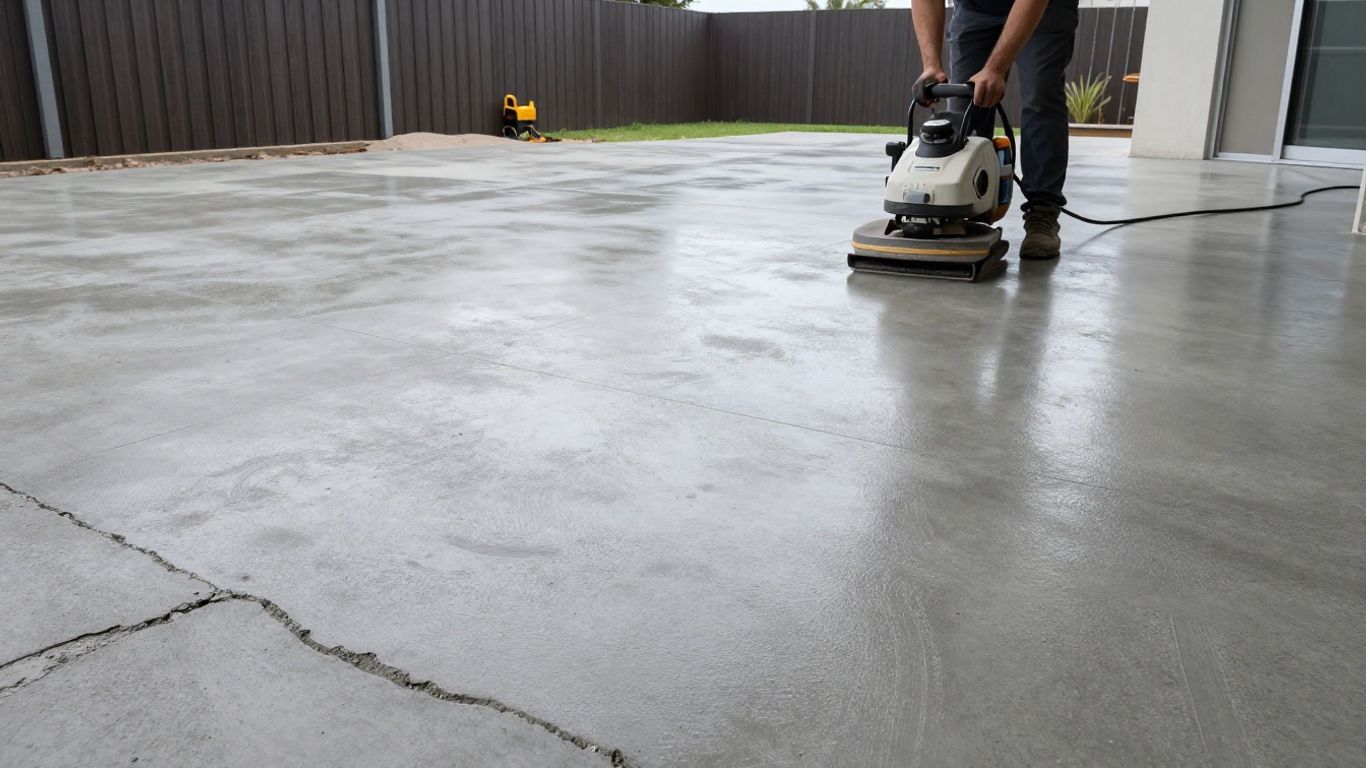
Concrete grinding uses diamond tooling to abrade the upper surface of a slab. It may be a practical preparation step, a corrective process, or part of creating a finished concrete floor. In Tauranga, the right approach depends on whether the slab is new or existing, indoors or outdoors, and intended for traffic, coatings, flooring, or exposure as the final surface.
How diamond grinding removes surface imperfections
A grinder passes diamond segments over the concrete to reduce high spots, laitance, trowel marks, old residue, and other shallow imperfections. The tooling removes material progressively rather than disguising it, so the depth of cut matters. If the aim is to expose aggregate, the appearance will also depend on the sand and stone already present in the slab.
When grinding is different from polishing
Grinding is often the earlier, more aggressive stage of floor preparation. Polishing follows with finer diamond grades to refine the surface, then may include densification and sealing according to the selected system. A ground and sealed floor can be entirely appropriate where a lower sheen or straightforward durable finish is wanted; it does not automatically need to become a high-gloss polished floor.
For a useful explanation of the broader sequence, see this polished concrete process, which also distinguishes the concrete itself from a layer placed over it. The key decision is not simply whether a floor looks shiny, but how much concrete is removed and how the finished surface will perform.
Common residential and commercial applications
At home, grinding is common in garages, renovations, utility rooms, patios, and areas where an old covering has been removed. Commercial and civic work may involve larger floor plates, retail spaces, workshops, warehouses, or public areas that need a cleanable and durable surface. The same basic method applies, but access, protection, working hours, and traffic management become more significant as the project grows.
Concrete surfaces that may need alternative treatment
Grinding cannot correct every problem. Deep structural movement, major settlement, weak concrete, active moisture, or damage extending well below the surface may call for repair, replacement, drainage work, or another specialist assessment. A very thin or friable surface may also limit how much can be removed safely, so the proposed finish should follow an inspection rather than a photograph or generic example.
When your Tauranga property needs concrete grinding
The need for grinding is usually visible in how a floor behaves, not just in how it looks. Unevenness, adhesive, paint, stains, or a difficult-to-clean surface can all point towards preparation work. For new construction, timing and site readiness matter just as much as the final appearance.
Signs of uneven, damaged, or contaminated concrete
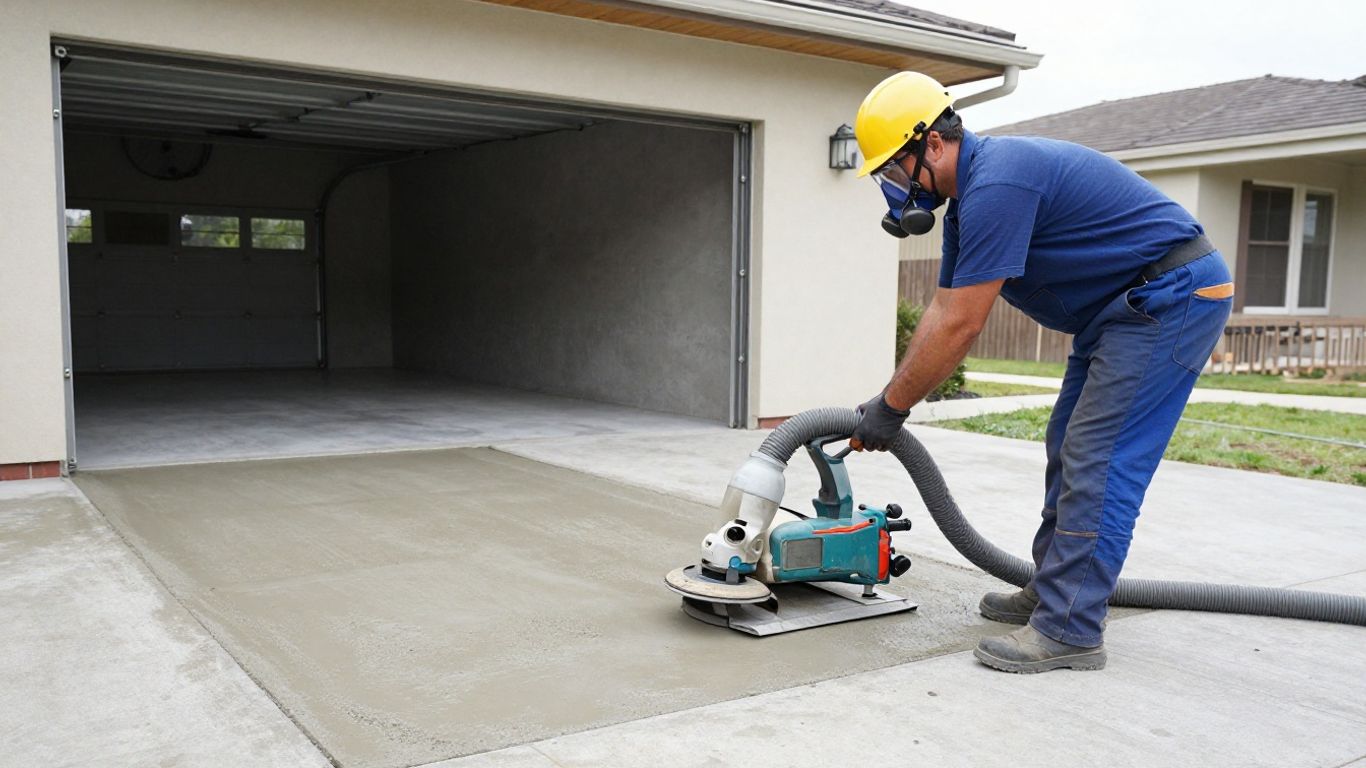
A straightedge can reveal high and low areas, while scraping or close inspection may show glue, paint, curing compounds, oil, or other contamination. Dusting, flaking, and isolated weak areas deserve attention before a finish is selected. Existing slabs can often be rejuvenated, but the condition beneath an old covering determines how predictable the result will be.
Preparing new slabs before coatings or flooring
Grinding can provide a cleaner, more consistent key for epoxy and other floor finishes, or help prepare the surface for vinyl, tiles, or carpet. It does not replace suitable moisture testing, repairs, or manufacturer requirements. New concrete also needs adequate curing time; polishing specifications may require the slab to be at least 28 days old before work begins.
Improving safety in garages, warehouses, and outdoor areas
A smoother floor may be easier to clean, but smoothness alone is not the same as wet slip resistance. Garages and warehouses also need consideration of vehicle traffic, forklifts, spills, drainage, and maintenance. Outdoor entries, ramps, patios, and pool surrounds may be better served by an integrated textured surface where grip when wet is a priority.
Assessing moisture, cracks, and structural concerns
Moisture can affect coatings, sealers, and the long-term behaviour of a finished floor. Cracks should be mapped and discussed rather than casually filled and hidden, because movement may remain visible after grinding. Before quoting, establish whether the issue is cosmetic, related to the surface, or evidence of a wider structural or drainage problem.
The concrete grinding process from start to finish
A good grinding job is planned around the slab and the use of the finished space. The crew needs to understand the desired depth, sheen, grip, and treatment before selecting equipment. Preparation also includes protecting adjacent areas and agreeing how the floor will be handed back.
Inspecting and preparing the concrete surface
The first stage is an inspection of the slab, including its condition, flatness, coverings, joints, cracks, edges, access, and likely contamination. Furniture and vulnerable fittings need to be removed or protected, and adjoining walls or finished surfaces should be isolated where practical. On an existing floor, a small test area can reveal more than a catalogue image because it shows the actual concrete beneath.
Choosing the right diamond tooling and grind level
Diamond tooling is selected for the hardness and condition of the concrete, as well as the material that needs removing. Coarser tooling may be used for levelling or lifting residue, while finer grades refine the surface for sealing or polishing. The depth of cut affects both the amount of aggregate exposed and the character of the finished floor, so it should be agreed before the full area is committed.
Managing dust, debris, and surrounding areas
Grinding produces fine concrete dust and debris, so extraction, containment, and sensible work sequencing are essential. Dust control is particularly relevant in occupied commercial buildings, homes, and civic spaces where nearby rooms or equipment cannot simply be left exposed. Access routes, ventilation, power, waste removal, and working hours should all be part of the plan rather than an afterthought.
A practical preparation checklist often includes:
- Clearing loose items and confirming access to the work area.
- Identifying services, thresholds, drains, joints, and vulnerable edges.
- Agreeing dust containment and protection for adjoining finishes.
- Confirming how cracks, stains, and unexpected weak concrete will be handled.
These details do not change the diamond grinding itself, but they reduce surprises and help keep the project orderly. They are also useful points to record in a quote, especially when work takes place around occupants or operating businesses.
Checking the finish before sealing or polishing
After grinding, the surface should be checked for remaining residue, uneven areas, exposed aggregate, edge conditions, and visible repairs. The result should be compared with the agreed sample or finish description, not an unrelated floor photographed in different lighting. Any sealing, densifying, honing, or polishing should proceed only once the surface is suitable and the expected character is understood.
Concrete grinding finishes and treatment options
Grinding does not produce one universal appearance. The final result may be a clean prepared substrate, a ground and sealed floor, or the first stage of a more refined polished finish. Aggregate, colour variation, placement quality, and the chosen depth all remain visible influences, particularly when the slab itself is intended to be the finished surface.
Removing coatings, glue, paint, and surface residue
Old adhesives, paint, and floor-covering residue can prevent a new treatment from bonding properly or leave an untidy surface. Grinding removes suitable surface contaminants mechanically, although thick, rubbery, oily, or deeply absorbed materials may need additional methods or disposal planning. A test area helps establish what can be lifted and whether the concrete below is sound enough to retain.
Creating a smooth finish for exposed concrete
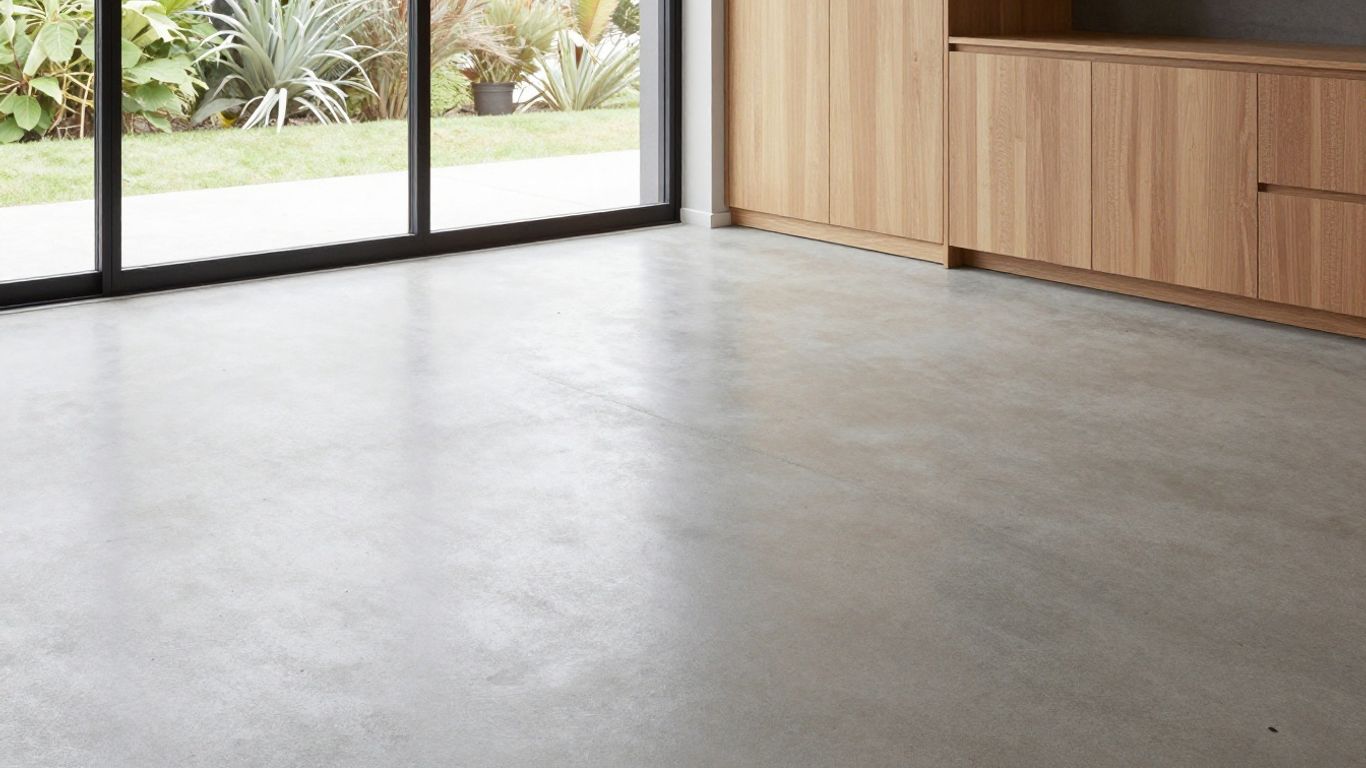
For exposed concrete, the aim may be a simple smooth ground surface or a more refined finish with visible aggregate. A subtle exposure can retain more of the cement paste, while a deeper cut reveals more of the stone in the mix. Local aggregate can create a distinctive appearance, but the exact pattern cannot be guaranteed from a screen image; a sample from the actual slab is the more useful reference.
Preparing floors for epoxy, vinyl, tiles, or carpet
Preparation for another floor finish usually prioritises cleanliness, profile, level, and compatibility rather than decorative sheen. High spots may need correction, residue must be removed, and edges or joints may need separate work. The flooring or coating specification should guide the final profile, since over-grinding or leaving contamination can create problems later.
Deciding between grinding, honing, and polishing
Grinding removes material and establishes the surface. Honing uses finer abrasives to reduce scratches and develop a smoother, often lower-sheen appearance, while polishing continues refinement towards a clearer reflection. The choice should reflect maintenance, traffic, light, desired aggregate visibility, and wet-grip requirements rather than treating gloss as the only measure of quality.
How much concrete grinding costs in Tauranga
There is no reliable single rate for every concrete grinding job. A small garage with clear access is a different project from a large occupied floor with adhesive, repairs, edges, and a specified polish level. For useful background on pricing variables, this polished concrete cost guide discusses slab condition, sheen, access, and waste disposal.
Factors that affect the project price
Area is only the starting point. The condition and hardness of the slab, depth of cut, amount of residue, edge work, access, waste handling, dust control, and final treatment can all change the price. A floor needing levelling or extensive preparation will take longer than a clean slab requiring light refinement.
Comparing small residential jobs with large commercial floors
Residential work may involve more corners, thresholds, furniture protection, and restricted access relative to the total area. Large commercial floors can benefit from production efficiency but may require staged work, night shifts, inductions, safety controls, and coordination with other trades. Comparing the total scope is more useful than comparing a headline square-metre figure alone.
Understanding equipment, labour, and preparation costs
The quote may include machine time, diamond tooling, extraction, labour, masking, repairs, sealer, travel, and disposal. Some costs are fixed or setup-related, which is why a very small floor may not price proportionally to its area. Ask whether preparation and finishing are included, and whether the stated price changes if the slab reveals unexpected contamination or damage.
The following questions help separate comparable proposals:
| Quote detail | Why it matters |
|---|---|
| Proposed grind depth | Indicates how much surface and aggregate may be exposed |
| Final finish | Clarifies whether the result is prepared, sealed, honed, or polished |
| Slab preparation | Shows whether residue removal, repairs, and edge work are included |
| Dust and waste controls | Identifies protection and cleanup responsibilities |
A clear quote should explain these items in plain language. If two prices differ, the reason may be scope rather than workmanship, so ask for the assumptions behind each figure before choosing.
Questions to ask when requesting a quote
Ask how the slab will be assessed, whether a test grind is possible, and what happens if the concrete is softer, harder, or more contaminated than expected. Confirm the intended sheen, aggregate exposure, sealer, exclusions, access requirements, and expected working time. You can also ask whether the contractor can price from project details initially, then confirm the scope once the slab is inspected.
Choosing a concrete grinding contractor in Tauranga
Choosing a contractor is partly about finish knowledge and partly about process control. The best conversation covers what the slab can realistically deliver, how the area will be protected, and what is included in the handover. For homeowners and specifiers, a contractor who explains limitations clearly is usually more useful than one who offers an attractive finish without discussing the concrete underneath.
Checking experience with similar concrete surfaces
Ask for examples involving the same type of work: new slabs, old covered floors, garages, commercial areas, exposed aggregate, or textured outdoor surfaces. Experience should include understanding how placement, curing, mix, and previous use affect the result. Grinding Dynamics describes work across residential, commercial, and civic projects, which is relevant when the project needs differ from a straightforward domestic floor.
Reviewing equipment, dust-control, and safety practices
A contractor should be able to explain the grinder and extraction setup, how dust will be contained, and how people will be kept clear of the work area. Check how edges, doorways, walls, drains, and nearby equipment will be protected. Safe planning matters even more in occupied buildings, where noise, access, ventilation, and cleanup affect other people’s work.
Confirming insurance, timelines, and service inclusions
Confirm public liability insurance, crew access requirements, expected start and completion dates, curing or drying allowances, and who moves furniture or removes coverings. The scope should state whether crack repairs, sealing, densification, polishing, waste disposal, and final cleaning are included. If the project is new-build work, discuss sequencing early so the slab can be protected before grinding begins.
Evaluating quotes, references, and finished projects
A useful quote is specific enough to compare and flexible enough to acknowledge the slab’s natural variation. Ask to see finished projects in comparable light and use, but remember that another floor will not predict your own concrete exactly. Grinding Dynamics’ concrete finishes advice is a helpful starting point for questions about colour, aggregate, sealing, and the difference between expectations and what an existing slab can provide.
Conclusion
Concrete grinding in Tauranga can solve practical surface problems or begin a carefully specified finished floor, but the slab always remains part of the decision. Assess its condition, choose the depth and treatment for the space, and request a quote that explains preparation, dust control, finishing, and exclusions. A sample grind and straightforward discussion will usually provide a more honest guide than a generic image.
Frequently Asked Questions
Is concrete grinding suitable for every slab?
No. Weak, badly cracked, deeply contaminated, very thin, or structurally moving concrete may need repair, replacement, or another treatment before grinding can be considered.
How long should new concrete cure before grinding or polishing?
The required timing depends on the selected process and specification, but polished concrete work commonly requires a minimum concrete age of 28 days. Confirm the timing with the contractor and project team.
Does grinding remove all cracks?
Grinding can reduce or clean the surface around minor imperfections, but it does not remove structural movement. Cracks may remain visible and should be assessed before the finish is chosen.
Will grinding create a perfectly uniform colour?
Not necessarily. Concrete colour, aggregate, placement, curing, trowelling, and contamination can vary across a slab, so a sample from the actual floor is more reliable than a stock photograph.
Can concrete grinding prepare a floor for epoxy?
Yes, grinding is commonly used to remove residue and establish a suitable surface profile, but moisture, repairs, cleanliness, and the coating manufacturer’s requirements must also be addressed.
Is polished concrete slippery when wet?
A polished finish may not provide the same grip as a deliberately textured surface in wet conditions. Outdoor areas, ramps, and pool surrounds should be assessed for the required slip resistance.
What should be included in a grinding quote?
The quote should describe the area, preparation, grind depth, finish, edge work, dust control, repairs, sealing or polishing, waste removal, access assumptions, exclusions, and expected timing.