

Concrete slab grinding in Tauranga: A practical guide
Concrete slab grinding Tauranga: understand finishes, preparation, costs, and how to choose a contractor.
Published 29 October 2026
Key Takeaways
Grinding can correct some surface unevenness and prepare a slab for its next finish, but it cannot fix every structural or moisture problem.
- The slab’s condition, pour quality, and aggregate affect the final result.
- Grinding, honing, and polishing describe different levels of refinement.
- Scope, access, concrete hardness, and finish expectations all affect cost.
- Clearing the work area and discussing dust control help the job run smoothly.
- A clear quote should explain preparation, repairs, finish, and any likely variations.
What concrete slab grinding involves
Concrete slab grinding uses abrasive diamond tooling to remove material from the surface. The aim might be to reduce a raised area, remove old residue, or prepare the concrete for a finish; the right approach depends on what the slab needs. In Tauranga, projects can range from a small residential floor to a larger commercial space, so a site assessment is useful before deciding what is practical.
How grinding removes unevenness and surface defects
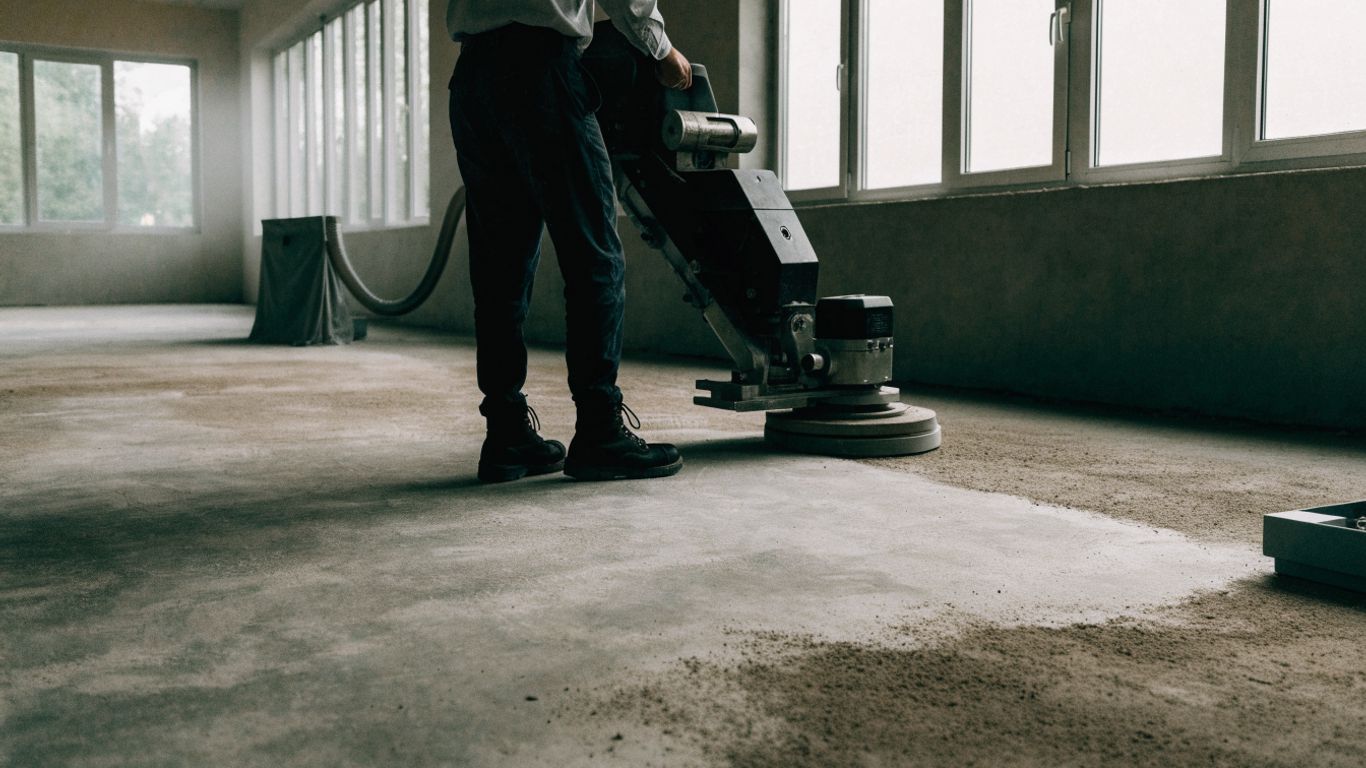
A grinder moves across the concrete with diamond segments that wear down high spots and surface residue. The depth of cut matters: a light pass can address minor marks or contaminants, while deeper grinding removes more concrete and may expose aggregate. Grinding can make a surface more even, but it does not automatically make the entire slab perfectly flat, particularly if the original pour has significant variation.
The difference between grinding, honing, and polishing
These terms describe related but distinct stages of concrete finishing. Grinding removes material and establishes the surface; honing refines it with progressively finer abrasives. Polishing continues that refinement to a higher sheen, with the result shaped by the slab, the aggregate exposure, and the chosen polish level. Grinding Dynamics creates polished concrete floors, with finish options described in its polished concrete flooring information.
When a slab is suitable for grinding
Many existing slabs can be ground, but suitability depends on the condition and thickness of the concrete, the type of damage, and the finish being considered. Cracks, previous repairs, glue, or old floor coverings may affect both the process and the appearance. A test grind can help reveal the slab’s aggregate and give a more grounded sense of what the concrete itself can deliver. For a broader look at existing-slab considerations, see these notes on rejuvenating concrete floors.
Common indoor and outdoor applications
Indoors, grinding may help prepare a floor for a coating or floor covering, or form part of a ground or polished concrete finish. Outdoors, it can be used in surface preparation and other concrete work, although the intended use matters: a smooth interior finish is not automatically suitable where wet grip is needed. For outdoor surfaces where grip is the priority, grinding and texturing are different considerations; this guide to concrete texturing explains a built-in grip option.
Benefits and limitations of grinding a slab
Grinding can improve the usefulness of a slab without replacing it, particularly when the issue is limited to the surface. It can remove some residue, reduce high areas, and prepare concrete for a chosen finish. But the existing slab remains the foundation of the result, and its original workmanship, repairs, and concrete mix can all show through.
Creating a smoother, more even surface
Grinding can reduce surface roughness and address local high spots, leaving a more consistent plane for the next stage of work. The outcome depends on the starting surface and the depth of cut; a broad difference in slab levels is not always something a surface grind can correct. A clear discussion of the intended use helps set the right target, rather than treating “smooth” as a one-size-fits-all finish.
Preparing concrete for coatings or floor coverings
Coatings and floor coverings need a suitable concrete surface to bond or sit properly. Grinding can remove some old adhesive or surface material and create a prepared surface, but the required preparation varies with the material being installed. Grinding Dynamics offers concrete grinding for coating preparation, adhesive removal, slab leveling, and finished floors; its concrete grinding service information outlines these types of work. A contractor should confirm the specified preparation rather than assuming one grind suits every system.
Exposing aggregate for a decorative finish
The amount of aggregate visible in a finished floor depends partly on how deeply the slab is ground. A light exposure may reveal fine stone near the surface, while a deeper cut can expose more of the aggregate, if the slab allows it. Local stone and the concrete mix influence color and texture, so a sample on the actual floor is more informative than relying on a generic image. The Bay of Plenty aggregate guide explains why testing the slab helps when choosing an exposure.
Understanding what grinding cannot repair
Grinding removes material; it does not restore missing concrete or resolve every underlying defect. Structural movement, deep cracking, moisture issues, and substantial low areas may need a separate repair or a different solution. Before work begins, ask which defects can be improved by grinding and which will remain visible or require additional treatment. This distinction prevents expectations from running ahead of what the slab can support.
How the grinding process works
The work begins with understanding the slab and the finish it needs, not simply choosing a machine. Access, nearby walls and fittings, dust management, and the amount of material to remove all shape the method. A good assessment also makes it easier to identify decisions that affect appearance and price before the work starts.
Inspecting the slab and identifying problem areas
The contractor checks for unevenness, cracks, coatings, adhesive, previous repairs, and other surface conditions. The intended use matters too: preparation for a covering is different from refining concrete that will remain visible. Grinding Dynamics describes a six-step concrete flooring process, beginning with slab inspection and finish selection and continuing through the relevant finishing and handover stages.
Choosing equipment and diamond tooling
The machine and diamond tooling are selected to suit the slab and the amount of material that needs to come off. Tooling that works well on one concrete surface may not be the best choice for a harder or softer mix, or for a different finish target. Edges and confined areas also need attention because large machines cannot reach every part of a room. The contractor should be able to explain the planned approach in plain terms.
Grinding in stages to reach the desired finish
Grinding is generally carried out in stages, moving from more aggressive material removal toward finer refinement when the specified finish calls for it. The required progression depends on whether the goal is simple preparation, a ground surface, or a polished result. Ask what level of refinement is included in the scope, since “ground” on its own may not describe the final texture or sheen precisely.
Managing dust and protecting nearby areas
Concrete grinding creates dust, so containment and cleanup should be discussed before the work begins. The approach may include dust-controlled equipment and protection for adjoining spaces, but conditions vary with the layout and access. A few practical questions help clarify what is planned:
- Which areas will be isolated or covered?
- How will dust be collected during grinding?
- What needs to be removed from nearby rooms?
- Who is responsible for final cleanup?
The answers help you prepare the property and understand what dust control can reasonably achieve in that particular space.
Checking the surface before applying a coating
Before a coating goes down, the prepared concrete should be checked against the coating system’s requirements. The surface needs to be clean and suitably prepared, and moisture concerns may need separate consideration. If the scope includes coating work, confirm who checks the preparation and whether any further repair or treatment is needed before application. A handover conversation can also confirm any waiting or curing time that applies.
What affects the cost of concrete slab grinding in Tauranga
There is no reliable single price for every slab because the work depends on the concrete and the site. A useful quote describes what will be ground, how far the finish will be refined, and what is excluded or priced separately. When comparing proposals, look at the scope as well as the total so you can see whether they are based on the same assumptions.
Slab size, access, and site conditions
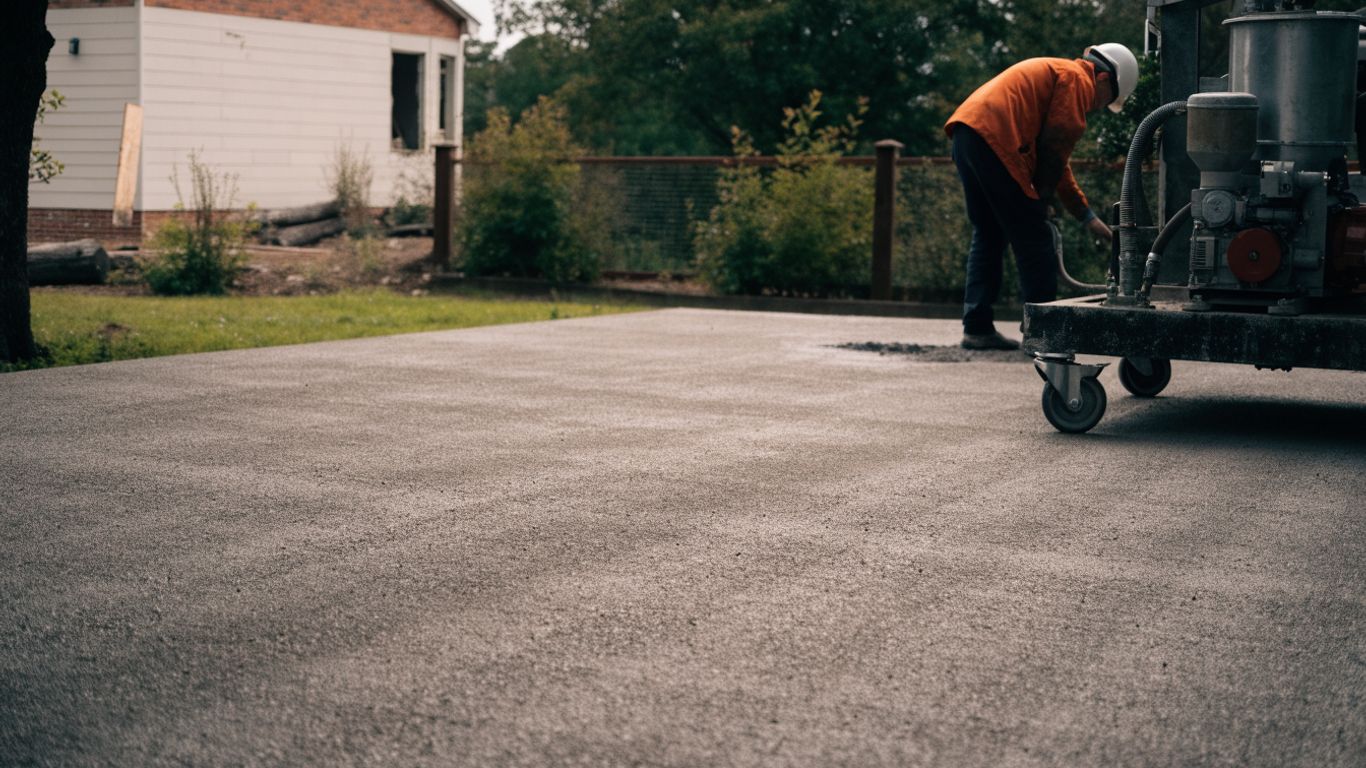
The size of the slab is one part of the estimate, but access and site conditions matter too. Tight rooms, stairs, limited power access, edges, and the need to move stored items can affect the time and equipment required. A site visit can identify these conditions before they become surprises. For useful quote comparisons, this guide to factors in polished concrete costs covers access, slab condition, repairs, and sealer as considerations.
Concrete hardness and existing surface damage
Hardness affects how quickly tooling can work, while old coatings, adhesive, and damaged areas may call for extra preparation. Cracks and patch repairs can also change the amount of work, without guaranteeing that every repair will disappear in the finished floor. The following factors commonly shape the scope and estimate:
| Condition or requirement | Why it can affect the work |
|---|---|
| Hard or abrasive concrete | May change the pace of grinding and tooling needs |
| Old adhesive or coatings | Can require additional removal and cleanup |
| Cracks or previous patches | May need separate repair and can remain visible |
| Difficult access or edge work | Can add setup and detailed finishing time |
These are prompts for a site discussion, not a fixed pricing formula. A quote based on the actual slab can explain which conditions are included and which may require approval as extra work.
The finish and level of refinement required
A basic preparation grind and a refined polished finish are different scopes. The desired aggregate exposure, polish level, and any sealing requirements affect the stages involved. If appearance matters, ask whether a test grind on your own slab is possible; it helps establish realistic expectations about color and aggregate before committing to a finish.
Repairs, coatings, and other additional work
Repairs, coating application, removal of old coverings, and sealing can be separate items or included in a broader project scope. Clarify whether the quote covers them, and whether the final price could change if hidden conditions appear after work starts. For other regional service categories, this overview of concrete flooring work can help distinguish preparation from finishing and coating services.
How to prepare a property for grinding
Preparing the site is a simple way to reduce interruptions and protect belongings. Before the contractor arrives, confirm which spaces need to be clear, how access will work, and what protection is included. If the property is occupied, agree on a plan for people, pets, and essential routes through the work area.
Clearing furniture, vehicles, and stored items
Remove furniture, vehicles, appliances, and stored items from the area being ground whenever possible. Items left behind can restrict access and may be exposed to dust despite containment measures. Confirm in advance whether anything heavy needs help moving, and where belongings can be stored safely during the work.
Protecting walls, doors, and nearby surfaces
Grinding equipment and materials need room to move, and dust can travel beyond the immediate work zone. Discuss which walls, doors, fixtures, and adjoining floors will be covered, and whether you should protect or remove delicate items yourself. Clear agreement about responsibilities helps avoid crossed expectations on the day.
Planning for noise, dust control, and access
Grinding is noisy, and the work area may need to remain clear while equipment is operating. If the property is in use, plan around the work schedule and make sure the contractor can reach the slab without repeated interruptions. Give nearby occupants notice and arrange access for the crew and any equipment.
Confirming drainage and moisture concerns
For outdoor areas, confirm where wash water or rain drains and whether the surface has any low points that hold water. Indoors, mention any known moisture concerns or past water entry before work begins. Grinding itself will not solve a drainage or moisture problem, so those conditions should be assessed separately before choosing a finish or coating.
Choosing a concrete grinding contractor
A useful contractor conversation should cover the slab, the intended finish, and the steps between assessment and handover. Ask for a written scope that makes the assumptions visible, especially where existing cracks, repairs, or moisture could affect the result. That gives you a better basis for comparing work proposals than a price alone.
Comparing experience with similar slabs and finishes
Ask whether the contractor has worked on slabs with a similar condition and a finish like the one you want. Relevant examples can help you understand the process, but photographs cannot predict exactly how your concrete will look. The mix, placement, screeding, curing, and existing surface all influence the result, so a sample on your own slab is the more reliable guide when one is feasible.
Asking how dust will be controlled
Find out what equipment or containment measures will be used, what areas will be protected, and what cleanup is included. No plan can be assessed without knowing the layout and access, so ask how the proposed method applies to your property. Practical answers should make clear what you can do before work begins as well.
Checking the proposed scope, timeline, and pricing
A written proposal should state the area, preparation, finish level, and any additional work included. It should also explain likely timing and any conditions that could affect the schedule. Comparing quotes is easier when each one describes the same tasks and the same expected result.
Confirming how repairs and unexpected issues are handled
Ask how the contractor will handle a crack, hidden adhesive, or other condition that changes the work once the slab is exposed. Confirm whether additional work needs your approval before it proceeds, and how the cost will be communicated. This is particularly useful for existing floors, where coverings can conceal the true surface condition.
Reviewing care requirements for the finished surface
Ask what routine cleaning and any resealing or other maintenance the finished surface may need. Care requirements depend on the selected finish and the space’s use, including traffic and exposure to spills or weather. Clear handover advice helps you look after the surface without assuming every concrete finish has the same needs.
Conclusion
Concrete slab grinding in Tauranga is best approached as a decision about the slab you have and the surface you need. A careful assessment, realistic finish expectations, and a clear written scope can help you understand what grinding will improve, what it will not repair, and which additional steps may be needed before the floor is ready for use.
Frequently Asked Questions
How long does concrete slab grinding take?
Timing depends on the size and condition of the slab, access, the amount of material to remove, and the finish required. A site assessment gives a more useful estimate than area alone.
Can grinding make an uneven slab completely level?
Grinding can reduce high spots and improve surface evenness, but it may not correct substantial level differences across a slab. The depth and extent of grinding need to be assessed against the concrete’s condition and the intended result.
Can an old concrete slab be ground?
Often, yes, but age alone does not establish suitability. Slab condition, thickness, prior coverings, repairs, and the desired finish all affect whether grinding is appropriate.
Does concrete grinding create dust?
Grinding produces dust, so the contractor should explain the planned collection and containment measures. The site layout and nearby spaces affect how much protection is practical.
Will grinding remove cracks from concrete?
Not necessarily. Grinding may improve the surrounding surface, but cracks can remain visible and may need separate repair. Some cracks also reflect movement that grinding cannot resolve.
Can grinding prepare concrete for a coating?
Yes, grinding can be part of preparing concrete for a coating, but the required surface depends on the coating system. Confirm the preparation specification and any extra steps before work starts.
How can I estimate the cost of grinding a slab?
Ask for a site-based written quote that accounts for area, access, slab condition, finish level, and any repairs or additional work. Comparing clearly defined scopes is more useful than relying on a broad per-area estimate.