
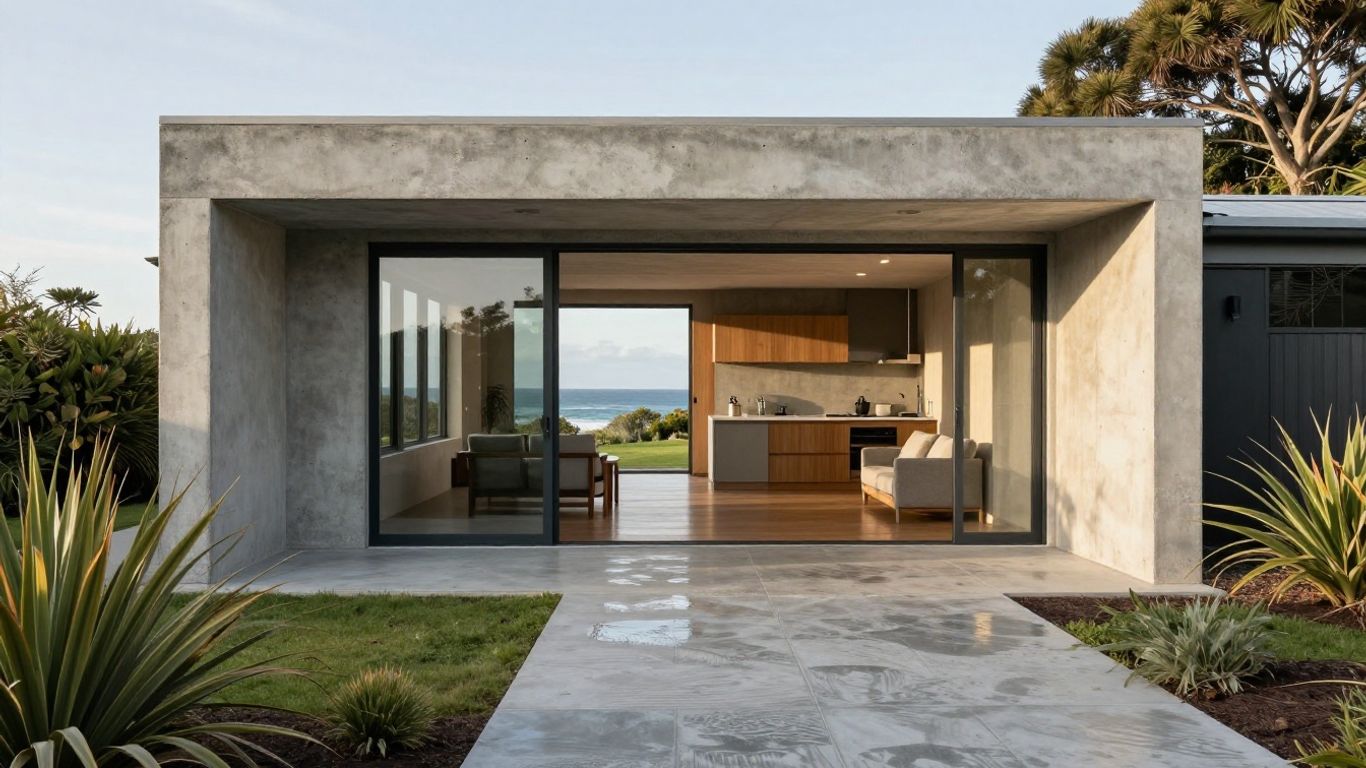
Concrete surface rejuvenation Tauranga: A practical guide to restoring tired concrete
Practical advice on concrete surface rejuvenation Tauranga, from grinding and sealing to local maintenance.
Published 25 August 2026
Key Takeaways
Concrete can often be improved without removing the entire slab, but the existing surface sets practical limits. A careful inspection, suitable finish, and realistic maintenance plan make the difference.
- Assess the slab before choosing a finish or repair method.
- Grinding, polishing, sealing, texturing, and coatings suit different needs.
- Tauranga’s moisture, salt air, and UV exposure affect finish selection.
- A sample grind gives a more reliable preview than a photograph.
- Cleaning and timely resealing help protect the renewed surface.
Understanding concrete surface rejuvenation in Tauranga
Concrete surface rejuvenation Tauranga projects usually involve cleaning, repairing, grinding, polishing, sealing, or texturing an existing slab rather than replacing it outright. The right approach depends on the slab’s age, condition, contamination, exposure, and intended use. Some surfaces need only preparation and sealing, while others benefit from deeper grinding or a more substantial change in texture.
What concrete surface rejuvenation involves
Rejuvenation begins with understanding what is already there. A contractor may remove old sealer, glue, product build-up, light staining, or other surface contamination before progressively grinding the concrete. Depending on the result required, the slab may then be densified, polished, sealed, or textured.
The concrete itself remains the finished surface in a polished system. Its aggregate, colour variation, flatness, and previous repairs will influence the appearance, so a test area on the actual slab is more useful than relying on a generic sample. Grinding Dynamics concrete grinding is used for preparation, removal of old finishes, levelling high spots, and rejuvenating existing slabs.
Common signs that concrete needs restoration
Tired concrete often shows its problems gradually. Dusting, worn traffic lanes, patchy colour, peeling sealer, glue residue, shallow scratches, and small chips can all make a sound slab look neglected. Cracks require closer attention because some are cosmetic while others may point to movement or a structural concern.
Water behaviour is another useful clue. Dark damp patches, staining around planters, and persistent marks near entrances may indicate that the surface is porous or that an existing sealer has failed. A professional assessment helps separate a finish problem from damage that needs more extensive repair.
Surfaces that can benefit from rejuvenation
Existing indoor floors, garages, workshops, patios, paths, driveways, pool surrounds, and exposed aggregate areas may all be candidates. The best result is usually achieved where the slab is sufficiently sound and the damage is limited to the surface or shallow defects.
Concrete with deep contamination, extensive movement, a very thin topping, or major structural failure may not be suitable for the same treatment. In those cases, the honest answer may be a different repair strategy or replacement rather than forcing a finish onto an unsuitable base.
Rejuvenation versus replacement
Replacement provides a new slab, but it also brings demolition, disposal, formwork, curing, access issues, and a longer disruption period. Rejuvenation can preserve an otherwise useful slab and address the parts people see and use every day. It is not automatically cheaper or better; the condition and access of the concrete determine whether it is worthwhile.
The decision should weigh appearance against serviceability. If the slab is stable and the defects are manageable, improving the surface may offer a sensible extension of its useful life. If movement, drainage, or structural problems are driving the failure, a cosmetic treatment will not solve the underlying issue.
Choosing the right treatment for your concrete
The finish should follow the way the concrete will be used, not just the look in a brochure. An indoor living area may suit a refined polished surface, while a wet entry or pool edge needs dependable grip. Outdoor exposure, traffic, drainage, and maintenance expectations also matter.
Concrete grinding for uneven or worn surfaces
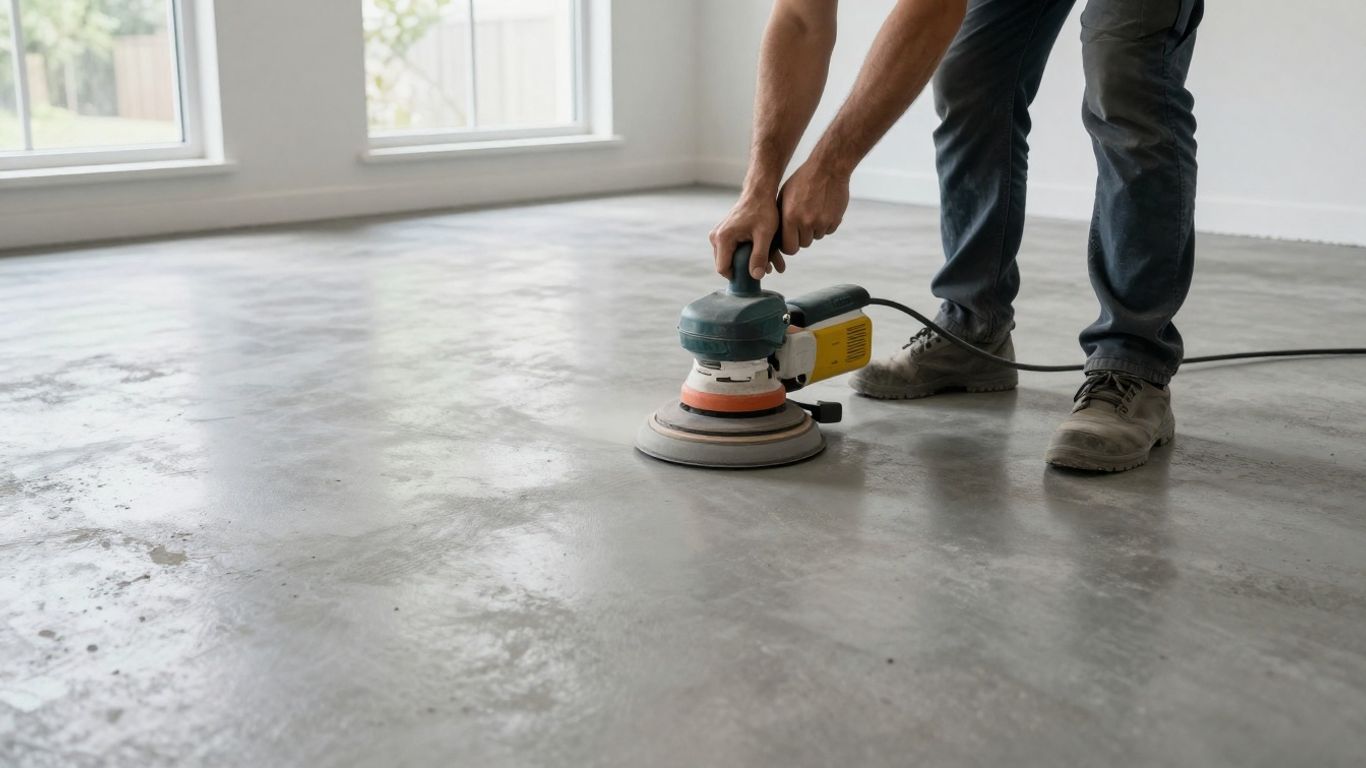
Grinding removes surface irregularities, old finishes, adhesives, and some staining while creating a cleaner, more even base. It can also prepare concrete for another finish or produce a ground-and-sealed floor where a lower sheen is preferred. The depth of grinding affects both the appearance and the amount of aggregate revealed.
A grinding plan should account for edges, corners, high spots, repairs, and dust control. It is especially useful where an existing floor is sound but has become unattractive or difficult to prepare for a new finish.
Polished concrete for a refined indoor finish
Polishing uses progressively finer diamond tooling to refine the concrete, followed by chemical densification and sealing. The final character depends on the slab and on decisions such as depth of cut and polish level. A subtle salt-and-pepper appearance, stronger aggregate exposure, and different sheen levels can look quite different even within the same building.
Grinding Dynamics polished concrete services cover residential, commercial, and civic projects in Tauranga. The business is an approved applicator of the PeterFell C2 Polished Concrete System, and polishing work on a new slab should be planned around the documented minimum 28-day concrete age.
Decorative coatings for colour and design
Coatings can be considered where a specific decorative colour or a changed surface appearance is more important than revealing the existing concrete. They require careful preparation because moisture, contamination, movement, and poor adhesion can lead to peeling or early failure.
A coating is not the same as polished concrete. Polishing refines the slab itself, whereas a coating adds a separate finish layer. That distinction affects repair options, future maintenance, slip behaviour, and how the surface will age.
Sealing for protection against moisture and stains
Sealing helps manage water, oil, salt, and staining, but the product must suit the exposure and the surface. Indoor floors, garages, driveways, patios, pool surrounds, and exposed aggregate may each call for different systems and levels of maintenance.
For exposed Tauranga concrete, concrete sealing guidance explains why eco-based or solvent-based systems may be selected according to the environment. Sealing improves protection, but it cannot hide every variation or correct a slab that has not been properly prepared.
How the rejuvenation process works
A reliable rejuvenation project is a sequence rather than a single product application. Inspection comes first, followed by preparation, repairs, finish selection, and protection. Each stage can change the next, so rushing directly to a sealer or decorative treatment often creates avoidable problems.
Inspecting the concrete and identifying damage
The assessment should record the slab’s condition, previous coatings, cracks, joints, contamination, moisture exposure, access, and intended use. It should also consider whether the concrete is flat enough for the desired finish and whether the existing aggregate is likely to produce an acceptable appearance.
A small test grind can reveal more than a catalogue image. It shows the actual colour, aggregate, trowel marks, repairs, and variation in the customer’s slab, allowing finish decisions to be made with fewer surprises.
Preparing the surface for treatment
Preparation may include removing glue, old sealers, paint, dirt, and product build-up. Grinding is commonly carried out in progressive steps, with dust-controlled equipment used where occupied buildings or neighbouring areas make disruption a concern.
Before work begins, the area should be cleared and access confirmed. A practical preparation sequence usually includes:
- Removing furniture, stored goods, and loose outdoor items.
- Protecting adjoining walls, joinery, drains, and finished surfaces.
- Confirming suitable access for equipment, power, water, and waste removal.
- Identifying areas that must remain available during the work.
These details affect both the quality of the finish and the time spent moving around obstacles. Good preparation also gives the contractor a clearer view of the slab before repairs begin.
Repairing cracks, chips, and surface defects
Small chips, pinholes, and shallow defects can often be filled or blended before the final finish is applied. The repair material and colour match need to be chosen with the intended depth of cut and sheen in mind, because a repair may remain visible in a naturally varied slab.
Cracks should not be treated as purely decorative without investigation. Stable shrinkage cracks may be managed as part of the finish, while moving cracks, failed joints, or settlement may need a separate solution. A candid assessment is preferable to promising an invisible repair.
Applying the selected finish and protective coating
Once the surface is prepared and repairs have cured as required, the selected finish can be applied. Polished work progresses through finer tooling and densification; sealed surfaces receive the appropriate protective system; textured areas are formed for grip rather than visual smoothness.
The final sealer is part of the performance plan, not just the last visual step. It affects stain resistance, cleaning, sheen, and future maintenance, so the handover should explain how the surface is expected to be used and cared for.
Addressing Tauranga’s local conditions
Tauranga properties can experience humid air, frequent rain, strong sun, salt carried from coastal areas, and wind-driven sand. These conditions do not make rejuvenation impractical, but they do make exposure and drainage important parts of the specification. Indoor and outdoor surfaces should not be treated as interchangeable.
Managing humidity, rain, and moisture exposure
Moisture can affect preparation, curing, adhesion, and sealer performance. Outdoor work needs a suitable weather window, while enclosed areas may still require attention to ventilation and moisture movement through the slab.
Water should be directed away from the finished surface wherever possible. Good falls, functioning drains, and sensible detailing around doors and planters reduce the load placed on a sealer and help the rejuvenated concrete stay cleaner.
Protecting outdoor concrete from coastal air
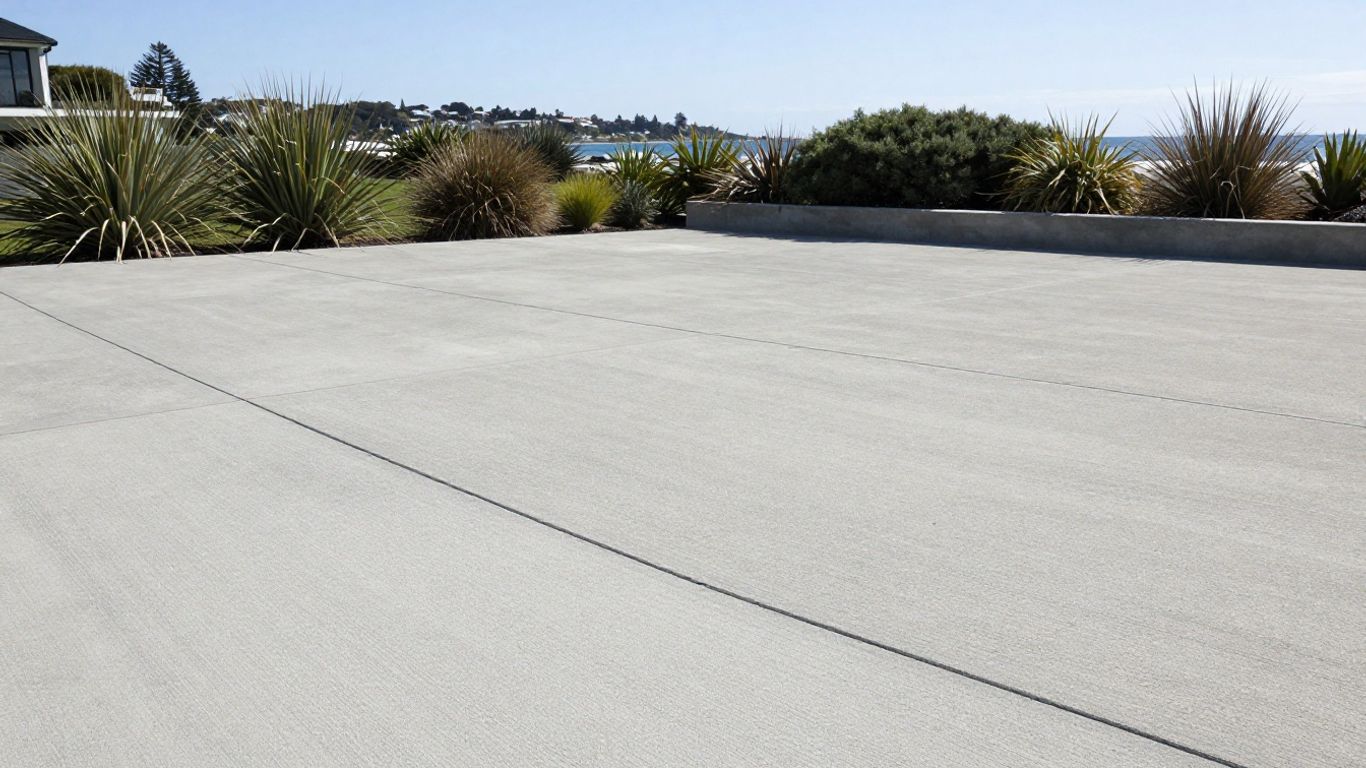
Salt air, UV, sand, and wind can shorten the life of an unsuitable sealer. Penetrating systems are often considered for exposed coastal surfaces because they protect without creating the same surface-film concerns as some film-forming products.
The right maintenance interval depends on exposure, traffic, product choice, and how the concrete looks and behaves over time. A sealer should be inspected for early wear rather than left until water and staining have become persistent problems.
Choosing finishes for driveways and entertaining areas
Driveways need to tolerate tyres, grit, turning forces, and oil drips. Patios and entertaining areas may place greater emphasis on cleanability, appearance, furniture movement, and the comfort of walking barefoot. A finish that suits an indoor room may not be appropriate outside.
Depth of cut, sheen, texture, and sealer should be considered together. For broader practical guidance on concrete finishes, Tauranga concrete finish advice discusses local aggregate, coastal environments, surface variation, and long-term use.
Improving slip resistance around wet spaces
Wet steps, pool surrounds, ramps, and entries need grip designed into the surface. A glossy or very smooth finish may look attractive but can be a poor choice where water and bare feet are common.
Grinding Dynamics TextureSafe services use the PeterFell TextureSafe System, with bush hammering creating a fine pitted texture that exposes aggregate and provides integrated grip. The texture profile should still be selected for the particular area, since main walking zones, steps, and coping may have different requirements.
Planning the cost and scope of the project
A square-metre price rarely tells the whole story. Slab condition, access, edge work, repairs, contamination, desired depth, sheen, sealer, and waste disposal can all change the scope. The most useful quote explains what is included and identifies assumptions that could affect the final cost.
Factors that influence rejuvenation pricing
Preparation is often the largest variable. Removing several layers of adhesive or failed coating takes more time than cleaning an open, lightly worn slab. Likewise, tight edges, stairs, furniture, drainage details, and restricted access can require additional labour and equipment.
Finish choices also matter. Deeper exposure, more polishing stages, a higher sheen, extensive repairs, or a specialised texture may require more work than a basic grind and seal. A test area can help connect the proposed price with a realistic visual outcome.
Comparing small repairs with full-surface restoration
Small repairs can make sense when the remainder of the slab is in good condition and the defects are localised. Full-surface restoration is more appropriate when patchiness, old coatings, wear, and staining are spread across the area, since isolated repairs may otherwise stand out.
The comparison should include appearance after blending, not simply the first invoice. Polished concrete cost factors covers variables such as slab condition, depth of cut, edge work, repairs, access, sheen, and sealer choices, all of which help explain why two apparently similar floors can receive different quotes.
Preparing the area before contractors arrive
A clear work area reduces delays and protects belongings from dust and accidental contact. Owners should discuss access, parking, power, water, ventilation, security, and any rooms or paths that must remain usable.
It is also helpful to identify old coatings, previous repairs, leaks, and known stains before the inspection. Early information gives the contractor a better chance to plan the sequence and flag limitations before equipment arrives.
Understanding timelines and maintenance requirements
Timelines depend on preparation, area size, repairs, weather, access, and the chosen finish. Outdoor work may need a suitable forecast, while new concrete must reach the appropriate age before polishing. Existing slabs do not have the same 28-day waiting requirement as a new pour, but they still need proper assessment and preparation.
The handover should cover curing or access restrictions, cleaning products, furniture placement, and when the surface may need resealing. Those instructions are part of the project scope, not an afterthought.
Maintaining rejuvenated concrete for longer
A rejuvenated surface still needs ordinary care. Grit, oil, salt, standing water, harsh chemicals, and heavy traffic gradually test both the concrete and its sealer. Regular cleaning catches problems early and makes future maintenance more predictable.
Cleaning methods for indoor and outdoor surfaces
Dust and loose grit should be removed regularly so they do not act like abrasive particles under foot traffic or tyres. Use a pH-neutral cleaner suitable for the sealer, a soft brush or mop indoors, and controlled pressure outdoors rather than relying on aggressive chemicals.
Spills should be dealt with promptly, especially oil, food, plant matter, and salt residue. Outdoor surfaces also benefit from keeping drains clear and avoiding the long-term accumulation of sand in corners and along edges.
When to reseal or refresh the finish
Resealing is usually considered when water no longer beads or sheds as expected, staining becomes easier, the sheen changes unevenly, or the surface begins to look dry and exposed. The correct interval varies with use and exposure rather than following one fixed calendar date.
The surface should be cleaned and assessed before a new sealer is applied. Adding product over contamination or a failing film can trap problems and make later removal more difficult.
Preventing stains, tyre marks, and chemical damage
Garages and driveways benefit from quick cleanup of oil, coolant, rubber marks, and chemical spills. Pot plants should not sit in constant dampness, and metal furniture or objects that rust should be isolated from absorbent concrete.
Avoid unapproved acids, strong solvents, and abrasive methods. A small test area is wise when trying a new cleaning product, particularly on a decorative, polished, or textured finish.
Signs that professional maintenance is needed
Call for advice when cleaning no longer restores the appearance, the sealer is peeling or whitening, stains keep returning, or cracks begin to widen. Slipperiness, exposed aggregate that feels loose, and water entering at joints also deserve attention.
Early maintenance may involve cleaning, local repair, resealing, or a broader refresh. Waiting until the surface has failed across the whole area generally reduces the number of practical options.
Conclusion
Concrete rejuvenation works best when the existing slab is assessed honestly and the finish is selected for its real environment. With careful preparation, suitable repairs, sensible protection, and regular maintenance, tired Tauranga concrete can become a more useful and attractive part of the property without automatically resorting to full replacement.
Frequently Asked Questions
Is concrete surface rejuvenation suitable for every slab?
No. Sound slabs with surface wear, old coatings, light staining, and manageable defects are often good candidates, while structural movement, deep contamination, or severe failure may require another solution.
Can old concrete be polished?
Often, yes, provided the slab is suitable. Its age, previous coverings, repairs, aggregate, flatness, and contamination influence what can be achieved, so a test grind is the most reliable way to assess the result.
Will polishing hide cracks and repairs?
Polishing can improve the overall surface and repairs can be filled, but cracks and patching may remain visible. Their appearance depends on movement, repair materials, grinding depth, colour variation, and the natural character of the slab.
Is polished concrete slippery when wet?
A smooth polished finish may not be the best choice for areas that regularly become wet. Wet entries, pool surrounds, ramps, and steps should be assessed for a texture and surface profile that provide suitable grip.
How long does concrete rejuvenation take?
The duration depends on the area, access, preparation, repairs, weather, and finish. A simple grind and seal may be quicker than deep grinding, extensive polishing, or a project involving multiple damaged areas.
Does outdoor concrete need sealing?
Sealing can help protect outdoor concrete from water, oil, salt, and staining, but the system must suit the exposure. Drainage, cleaning, sunlight, coastal air, traffic, and timely maintenance also affect performance.
How should rejuvenated concrete be cleaned?
Remove grit and spills regularly, use a compatible pH-neutral cleaner, and avoid harsh acids or solvents unless specifically approved for the finish. Test unfamiliar products in a discreet area first.