
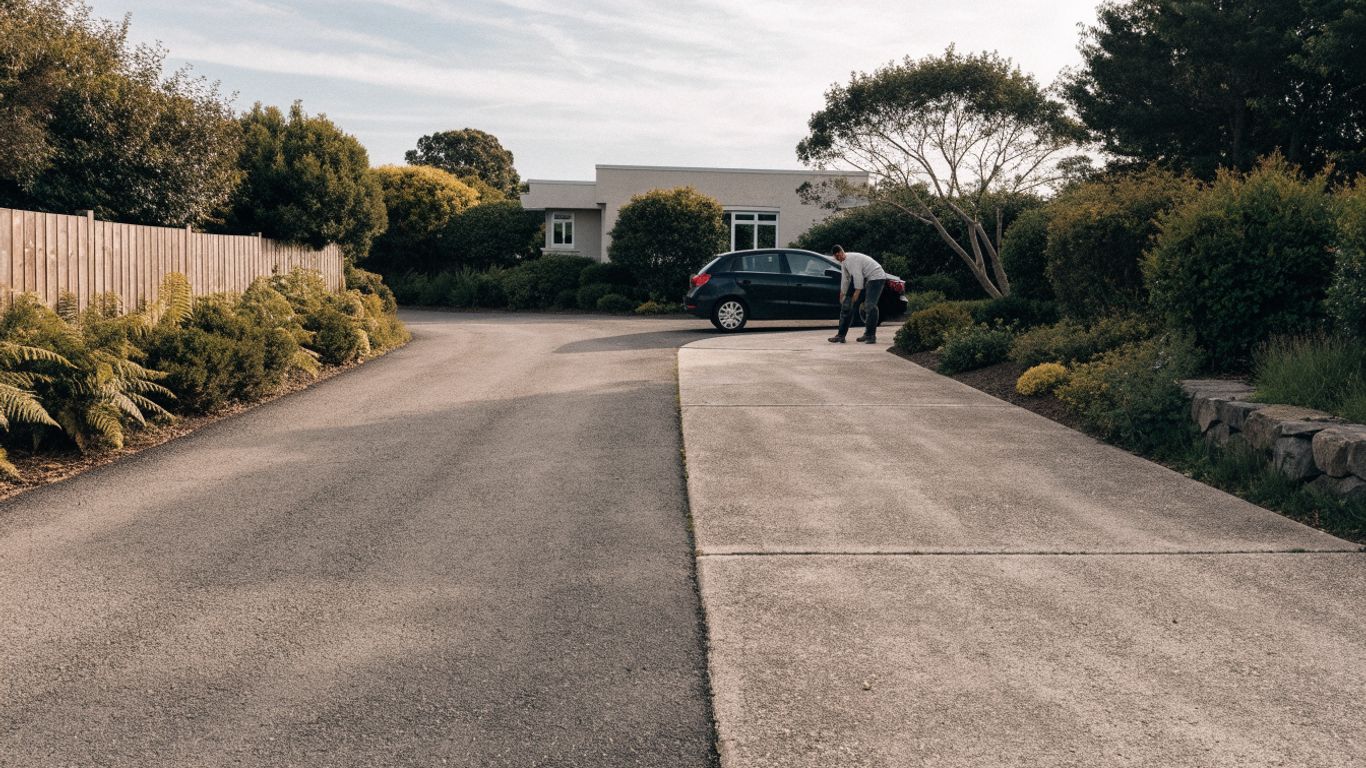
Driveway sealing specialists Tauranga: How to choose the right contractor
Driveway sealing specialists Tauranga: compare surfaces, preparation, quotes and timing.
Published 29 October 2026
Key Takeaways
Choosing a driveway sealer starts with knowing what the surface is made of and what condition it is in. A clear scope, suitable materials, and sensible timing make it easier to compare contractors.
- Match the sealer to the driveway material and its condition.
- Ask how the contractor will inspect, clean, and prepare the surface.
- Compare quotes by scope and exclusions, not price alone.
- Confirm curing time and weather requirements before booking.
- Plan routine cleaning and watch for signs that resealing may be due.
Why driveway sealing matters in Tauranga
Tauranga driveways face sun, rain, vehicle traffic, and, in some locations, coastal conditions. Those exposures can affect how a surface looks and how it holds up, though the result depends on the material and its condition. Sealing may help protect a suitable surface, but it cannot correct every underlying defect.
How sun and rain affect driveway surfaces
Sun can fade or dry out some surfaces, while rain can carry dirt into pores and reach cracks or joints. In coastal areas, salt and moisture may also be factors for concrete, so it is worth considering the site rather than relying on a one-size-fits-all product. For more detail on concrete exposure and maintenance, see this guide to coastal effects on concrete sealers.
Signs your driveway may need sealing
A faded appearance, a surface that absorbs spills quickly, or worn-looking areas may prompt an assessment. Cracks, loose material, pooling water, or potholes need closer attention: sealing over them without addressing the cause can leave the underlying problem in place. A contractor should explain whether sealing is suitable or whether repair is needed first.
Benefits for appearance and surface protection
On a suitable driveway, sealing can refresh the look and help limit the effects of everyday exposure. It is a maintenance step, not a substitute for sound drainage, repairs, or a well-constructed surface. A realistic scope matters: ask what the sealer can do for your particular driveway, and what it will not fix.
Sealer options for different driveway materials
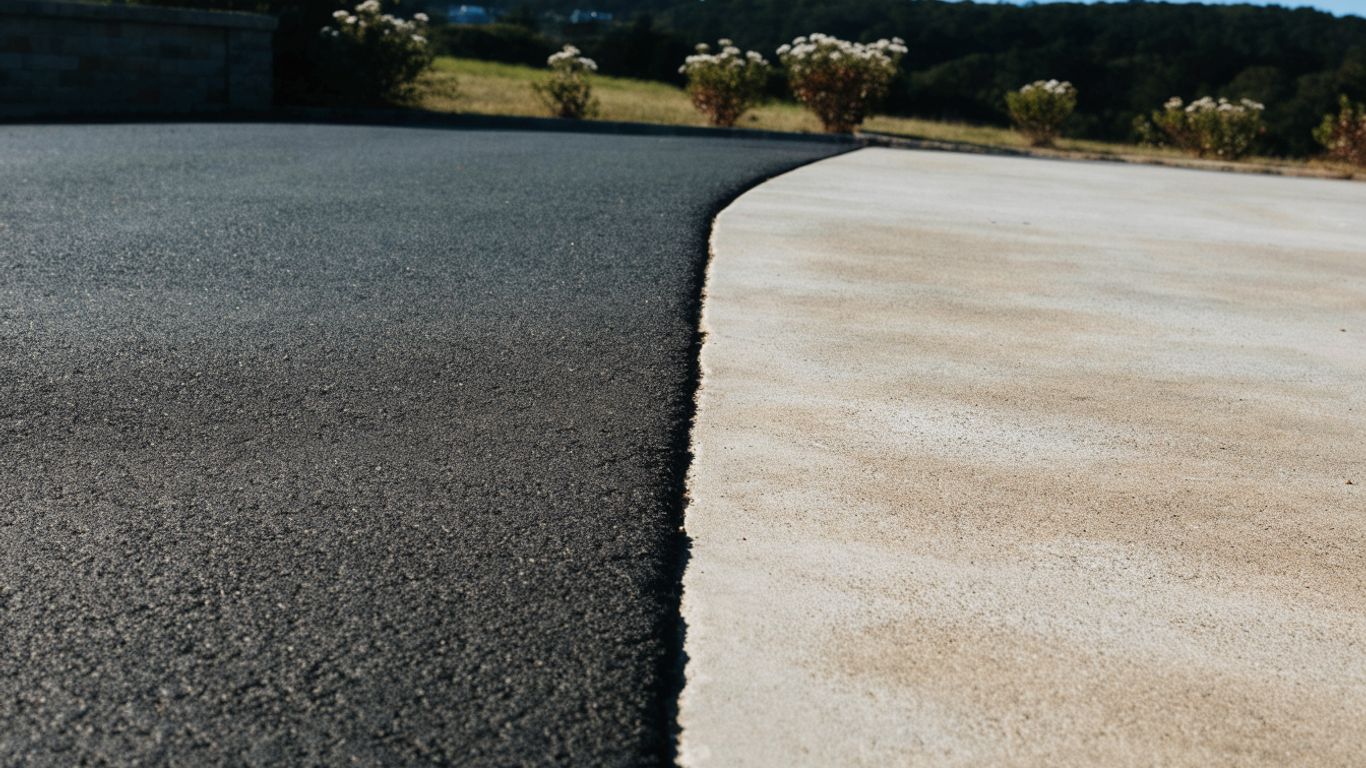
The right product depends first on whether the driveway is asphalt or concrete, and then on its condition and intended use. Not every sealer suits every surface, so ask the contractor to identify the product and explain why it fits your site. For Tauranga concrete surfaces, concrete sealing in Tauranga is a distinct service with product selection based on the space and its conditions.
Sealers for asphalt driveways
Asphalt products are made for asphalt, and the contractor should confirm that the surface is ready to receive the chosen sealer. Ask how they will handle existing cracks, worn spots, or areas with loose material. If the driveway has broader damage, it may need repair rather than a coating alone.
Sealers for concrete driveways
Concrete sealers vary in how they interact with the slab and the conditions around it. Grinding Dynamics offers concrete sealing in Tauranga, selecting and applying the right sealer for the space and conditions. Before booking any contractor, clarify the surface preparation required and whether the existing concrete is suitable for the proposed treatment.
Choosing a finish, color, and level of traction
A finish should suit both the look of the property and the way people use the driveway. A glossy appearance is not automatically the best choice, particularly where wet grip matters. The following distinctions can help focus the conversation, though the actual options depend on the surface and product selected.
| Decision | What to ask | Why it matters |
|---|---|---|
| Appearance | What finish will this product leave? | Helps set expectations for the final look. |
| Color | Will the sealer change the surface color? | Existing concrete and asphalt may respond differently. |
| Traction | How will the finish perform when wet? | Driveways are used by both vehicles and pedestrians. |
Use the answers to decide what is suitable for your driveway, rather than choosing from a sample image alone. If traction is a priority on concrete, Grinding Dynamics provides concrete texturing in Tauranga to create durable slip resistance; ask whether the surface and the proposed treatment suit your needs.
What to expect during the sealing process
A reliable job involves more than applying sealer. The contractor should assess the surface, explain necessary preparation, and set out when the driveway can be used again. The exact sequence varies with the material, weather, repairs, and product instructions.
Inspection and surface preparation
The first step is an inspection of the driveway and its surroundings. A contractor should note the surface material, visible damage, drainage, access, and any conditions that could affect application. Use this visit to ask what preparation is included and what would count as extra work.
Cleaning, repairs, and crack treatment
Dirt, oil, and loose debris can interfere with application, so cleaning should be part of the plan. Cracks and damaged areas may need separate repair; the right approach depends on their size, cause, and location. A general overview of driveway sealing work can help you recognize common preparation steps, but the contractor still needs to assess your actual surface.
Sealer application and drying time
Application method and drying time depend on the product and conditions on the day. Ask how the crew will keep people and vehicles off the driveway and what changes if the weather is unsuitable. Do not assume the surface is ready for traffic just because it looks dry; follow the contractor’s instructions for the specific product.
How to compare driveway sealing specialists
A good comparison begins with the work proposed, not a headline price. Ask each contractor to describe the material they see, the repairs or preparation required, and the limits of the treatment. For local properties, experience should mean familiarity with the surface types and site conditions relevant to your project.
Experience with local properties and surfaces
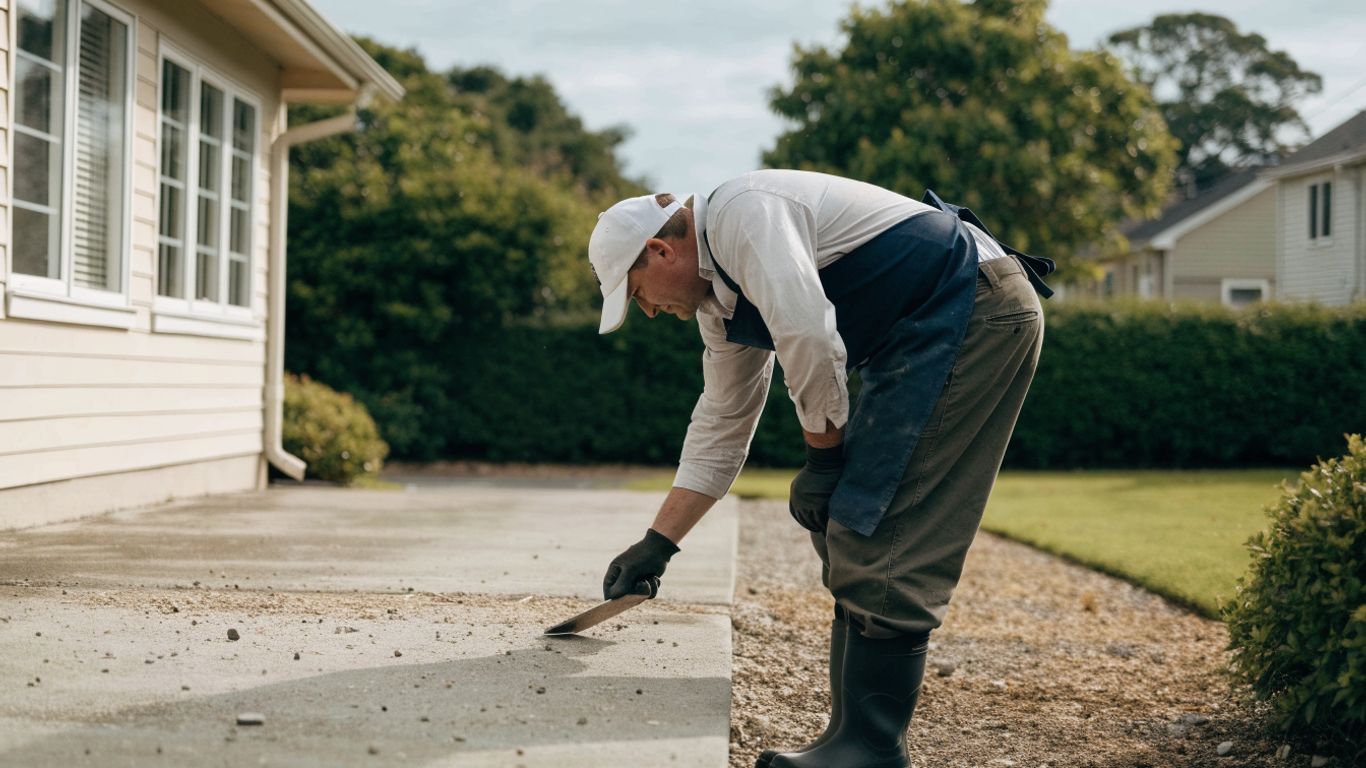
Ask whether the contractor regularly works with your driveway material and can explain how the site affects the job. A concrete specialist and an asphalt contractor may offer different services, so be clear about the work you need. Grinding Dynamics is a Tauranga-based concrete finishing business that works with concrete grinding, texturing, sealing, and rejuvenation across Tauranga and the Bay of Plenty; those concrete services are distinct from asphalt driveway sealing.
Equipment, materials, and work standards
Ask what materials and application method the contractor proposes, and how the surface will be prepared and protected. A short set of questions can make the comparison more practical:
- What product is proposed, and why is it suitable for this surface?
- Which cleaning and repair tasks are included in the scope?
- How will nearby areas and access be managed during the work?
- What weather and drying conditions must be met?
Clear answers help reveal whether the contractor has considered the job as a whole. If the response is vague, ask for the details in writing before agreeing to a start date.
Reviews, references, and examples of completed work
Look for examples involving a similar surface and project scope, and ask what preparation was carried out. Reviews can help you understand communication and reliability, but they do not guarantee the same result at your property. The existing surface and the quality of prior repairs still influence how the finished job looks and performs.
Understanding quotes, warranties, and project timing
Quotes are easiest to compare when each contractor has priced the same scope. Check whether repair work, cleaning, access arrangements, and cleanup are included or excluded. Timing also matters: weather and curing requirements can affect when the work starts and when the driveway is usable again.
What a detailed quote should include
A useful quote identifies the surface, product, preparation, repairs, application, and any limits on the work. It should also state the price, expected schedule, and what would trigger a change in cost. If one quote is much lower, check whether it leaves out work another contractor has included.
Comparing warranty terms and exclusions
Warranty language varies, so read the terms rather than relying on a general promise. Ask what defects or conditions are excluded, what maintenance is expected, and how to report a concern. A warranty does not remove the need to understand the driveway’s current condition or the product’s limitations.
Scheduling around weather and driveway use
Sealing needs suitable conditions, and the contractor should explain what weather would delay the work. Plan for the driveway to be unavailable during application and drying, with the exact period confirmed for the product used. If the driveway is your only access, agree on a practical plan before the crew arrives.
Caring for a sealed driveway
Care after application helps protect the work and makes it easier to spot changes over time. Follow the contractor’s product-specific instructions, since return-to-use and cleaning guidance can differ. Keep a note of the product and application date so future maintenance decisions have useful context.
When to allow vehicles and foot traffic back
Use the contractor’s stated waiting period for both pedestrians and vehicles, and ask whether the two timings differ. Temperature, humidity, and other site conditions can affect drying, so a generic number may not fit every project. Keep access restricted until the contractor confirms it is ready.
Cleaning spills and routine buildup
Remove spills promptly using cleaning guidance appropriate for the surface and sealer. For ordinary dirt, use a method the contractor recommends, avoiding harsh chemicals or abrasive tools unless they have confirmed those are suitable. Regular checks also make it easier to notice new cracks or areas where water collects.
How to tell when resealing is due
There is no single resealing interval that suits every driveway. Traffic, sun exposure, drainage, product choice, and surface condition all play a part. If the surface looks worn or absorbs water differently, ask a qualified contractor to inspect it before deciding whether another application is needed.
Conclusion
Choosing a driveway sealing specialist in Tauranga is a matter of matching the work to the surface, understanding the preparation and limits, and agreeing on clear timing. Compare detailed scopes, ask direct questions, and use the contractor’s advice to decide whether sealing is the right next step for your driveway.
Frequently Asked Questions
How often should a driveway be sealed?
There is no fixed interval for every driveway. The material, product, traffic, exposure, and condition all affect when resealing may be appropriate, so ask for an assessment when the surface begins to look worn.
Can a contractor seal a cracked driveway?
Cracks may need repair before sealing, and the right treatment depends on their cause and extent. Ask the contractor to explain which repairs are included and whether sealing is suitable once they are addressed.
Does concrete need a different sealer than asphalt?
Yes. Products are designed for particular surface materials, and a sealer suitable for asphalt may not be appropriate for concrete. Confirm the proposed product is intended for your driveway.
How long does driveway sealing take to dry?
Drying and return-to-use times vary with the product and conditions. Follow the contractor’s instructions for foot traffic and vehicles rather than relying on appearance alone.
Can driveway sealing be done in wet weather?
The surface and weather need to meet the product’s application requirements. Ask how rain or damp conditions affect the schedule and whether the contractor will postpone work if needed.
What should I compare in driveway sealing quotes?
Compare the product, preparation, repairs, cleanup, access arrangements, schedule, exclusions, and price. The lowest figure may not cover the same work as a more detailed quote.
Does sealing improve traction on a driveway?
Traction depends on the surface and the finish created by the chosen treatment. If wet grip is a concern, raise it before work begins and ask what options are appropriate for the driveway.