
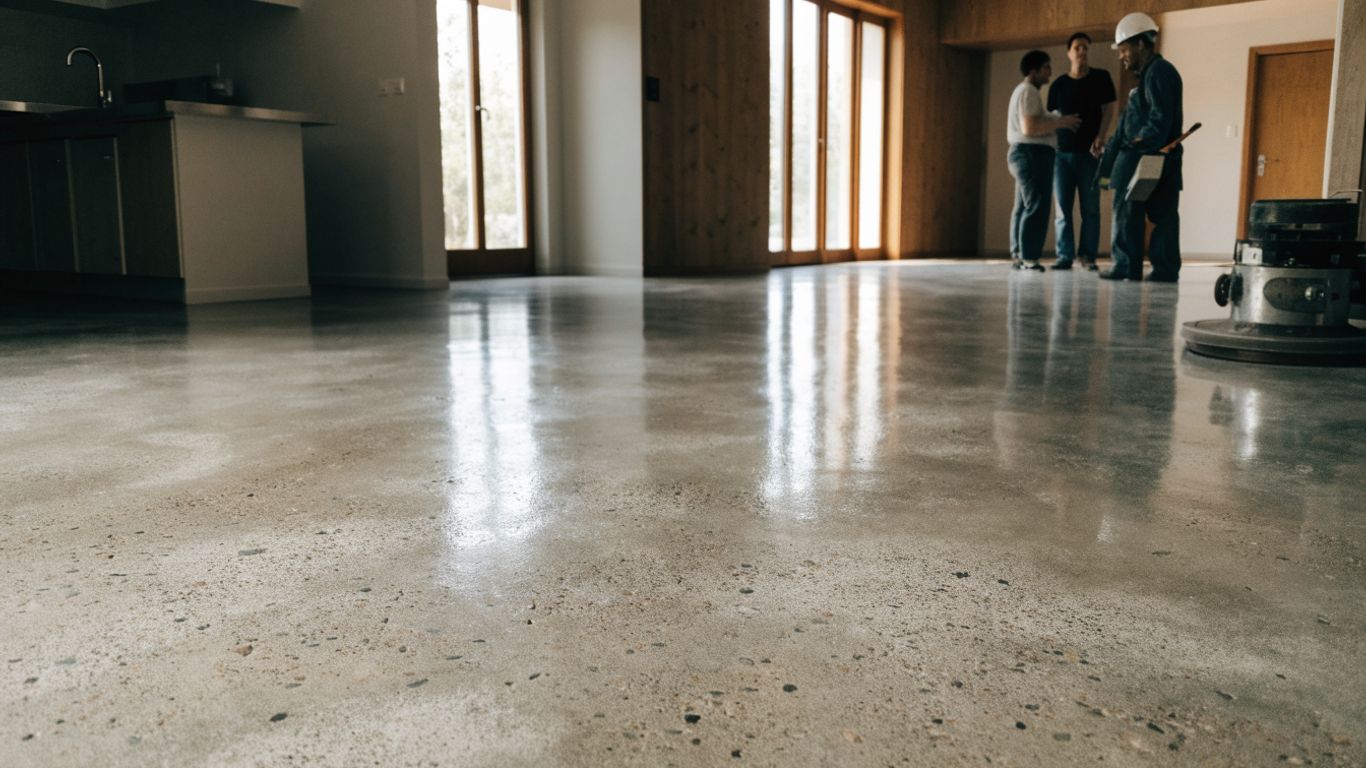
How to choose the best concrete grinding service in Tauranga
Compare slab condition, scope, and quotes to find the best concrete grinding tauranga service for your floor.
Published 29 October 2026
Key Takeaways
The right grinding service depends on the slab, the finish you want, and the work included in the quote. A careful assessment helps set realistic expectations before the machines arrive.
- Be clear about whether you need coating removal, levelling, preparation, or a finished floor.
- Ask how the contractor will assess the slab and manage dust or slurry.
- Compare quotes by preparation, repairs, cleanup, access, and schedule—not price alone.
- Protect nearby rooms and plan for noise and temporary access limits.
- Confirm how damage, maintenance, and any workmanship guarantee will be handled.
Understand what concrete grinding can achieve
Grinding removes or refines the upper surface of concrete, but the result depends on what is already there and how much material needs to come off. It can prepare a floor for another treatment or become part of the finished surface itself. Before requesting quotes, describe the problem you want solved and how the space will be used.
Removing coatings, stains, and surface imperfections
Grinding can remove some coatings, adhesive residue, and surface irregularities, though the right approach depends on what is on the floor and how firmly it is bonded. Ask the contractor to inspect the material and explain whether grinding alone is suitable. For example, the Tauranga grinding service from Grinding Dynamics covers coating preparation, levelling, adhesive removal, and ground-and-sealed finishes.
A useful way to compare the proposed work is to connect each goal with the questions that affect scope:
| Project goal | What to ask | What may affect the result |
|---|---|---|
| Remove an old coating | How will the coating be identified and removed? | Coating type, thickness, and bond |
| Prepare for a new coating | What surface profile does the next system require? | Product specifications and slab condition |
| Reduce surface marks | Which marks are likely to grind out? | Depth of the mark and concrete variation |
| Remove adhesive residue | Will any residue remain after grinding? | Adhesive type and underlying concrete |
The table is a starting point, not a promise that every mark will disappear. Ask for a clear explanation of what the proposed cut can address and what might remain visible after the work.
Smoothing uneven or rough concrete
A grinder can smooth high spots and rough areas, but it cannot correct every underlying issue. The contractor should distinguish between a surface irregularity and a broader problem with the slab’s level or structure. Ask how much concrete needs to be removed, and whether that depth could expose aggregate or change the appearance.
Preparing floors for polishing or a new coating
Grinding may be one step in preparing a slab for a new coating, or it may begin a process that leaves the concrete itself as the finished floor. For polished concrete, the slab’s aggregate, colour, and condition influence the final look. Grinding Dynamics provides polished concrete floors in Tauranga, with slab assessment, finish testing, and a written quote; those steps help establish what the particular floor may achieve.
Knowing when grinding may not solve the problem
Deep cracks, movement, moisture issues, or poor slab levels may call for repairs or a different solution rather than more grinding. Existing concrete can also vary in colour and hardness, so a uniform appearance is not guaranteed. Be wary of a quote that treats every floor as though it will respond the same way.
Match the grinding method to your project
The method should fit the size of the floor, its edges and obstacles, and the finish you have in mind. A contractor may use different equipment or processes for the open floor area and tighter perimeter sections. Ask for the proposed method in plain language, including how it will deal with transitions and hard-to-reach places.
Choosing between surface grinding and edge grinding
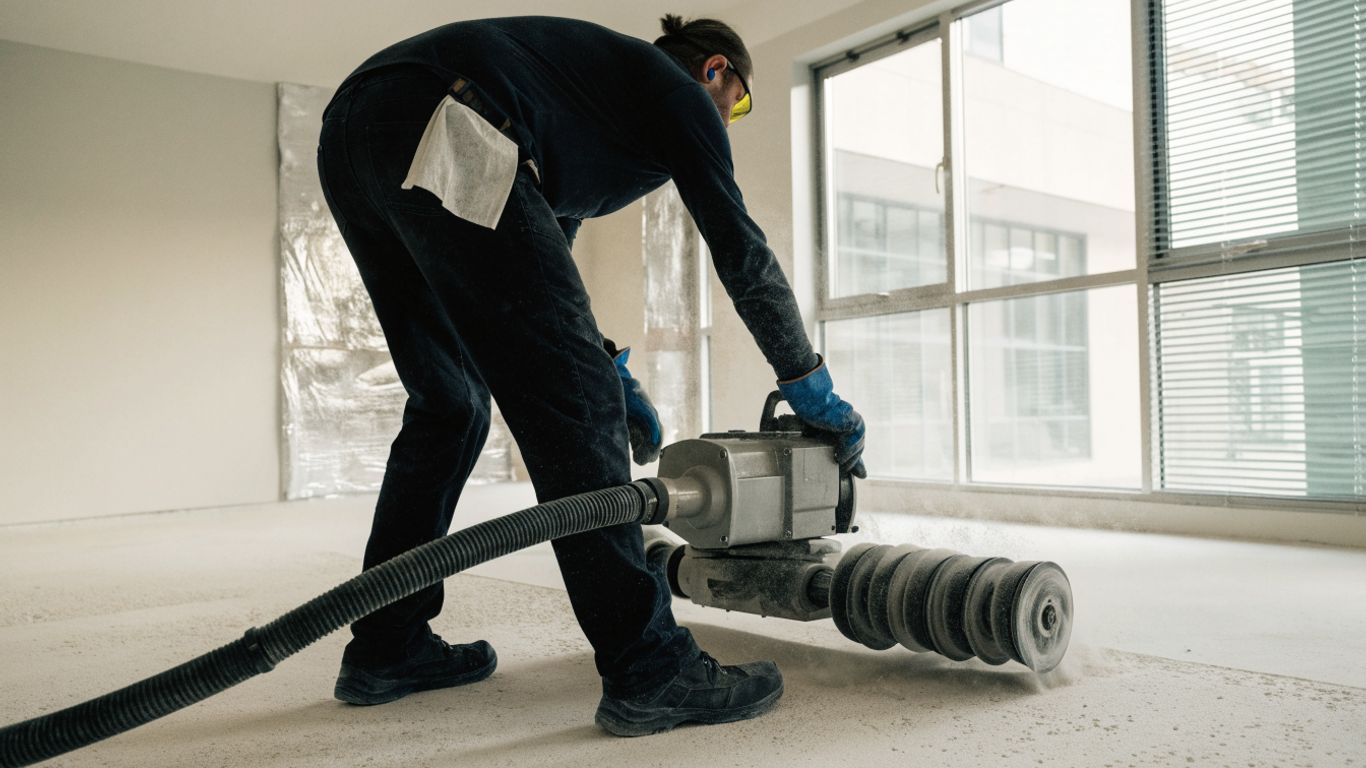
Large grinders are suited to open areas, while edges, corners, and narrow spaces can require separate equipment and additional time. Those details matter when comparing quotes: a floor with many thresholds or fixed fittings may need more edge work than a clear rectangular room. Ask how the finished areas will meet at the boundaries so the result feels considered rather than abrupt.
Considering the concrete’s age and condition
The age and condition of a slab help determine when work can begin and what finish is realistic. For new concrete, polishing should not be scheduled before the minimum 28-day curing period; weather and site conditions can influence timing as well. On an existing floor, ask for an on-site look at cracks, previous coverings, contamination, and uneven areas before settling on a method.
Selecting a suitable finish for homes or commercial spaces
A home, shop, or busy work area can call for different priorities: appearance, cleaning, traffic, and wet grip all matter. A polished concrete finish may suit some indoor spaces, while outdoor areas exposed to weather may need a different treatment. Discuss the intended use and maintenance expectations before choosing a finish, rather than relying on a photograph to predict how your own slab will look.
Asking whether grinding will create dust or slurry
Grinding can create dust or slurry depending on the method and equipment being used. Ask the contractor which approach is planned, what extraction or containment will be in place, and whether water will be used. The answer affects both site preparation and how nearby spaces can remain usable during the job.
Check a contractor’s experience and equipment
A contractor’s process matters as much as the name of the machine. Look for someone who can explain the choices involved in your particular floor, including the limits of grinding and how the work will be assessed. Specific answers are more useful than broad assurances about equipment or experience.
Looking for projects similar to yours
Ask to see examples of work with similar concrete, access, and intended use. A polished interior and an adhesive-removal job may involve different decisions, so a general portfolio may not answer the question you have. Ask what the contractor noticed about the slab and what was included in the work shown.
Asking about grinders, dust control, and extraction
The equipment should match the site, and the contractor should be able to explain how dust or slurry will be controlled. A few practical questions can make the conversation more useful:
- What equipment will be used for the open floor and for the edges?
- How will dust be collected or contained?
- If water is used, how will slurry be managed?
- What will happen around doorways, vents, and nearby rooms?
Listen for a plan that fits your space rather than a one-size-fits-all answer. You can also ask what conditions might require a change in method once the floor is exposed.
Confirming who will carry out the work
Find out who will be on site and who is responsible for decisions if the slab differs from what was expected. It is reasonable to ask how the crew will communicate changes to the scope or timing. For larger projects, confirm how the grinding work will coordinate with builders, other trades, or building access requirements.
Checking references and recent reviews
Recent references can help you judge communication, care on site, and how the contractor handled snags. Ask about work similar to yours and whether the agreed scope and cleanup matched expectations. Reviews are one input; they do not replace a site assessment or a written description of the work.
Compare quotes and project details
Quotes are easiest to compare when they describe the same outcome and the same preparation. A low headline price may omit repairs, edge work, or cleanup, while a higher figure may include a broader scope. Request written details so you can see what is included before choosing a contractor.

Confirming what the quoted price includes
Check whether the quote covers assessment, preparation, grinding, materials, cleanup, and any requested sealing or polishing. If the result depends on a sample grind or a particular aggregate exposure, ask whether that is included. The cost factors for polished concrete provide a useful way to think through how slab condition, repairs, access, edge work, and sealer choices can affect a quote.
Comparing preparation, grinding, and cleanup
Two quotes may describe “grinding” but mean different amounts of work. Compare the preparation and finishing steps in writing, including what happens to the site once the machinery is packed away. A clear breakdown helps you spot omissions before they turn into a change to the price or schedule.
Asking about repairs and unexpected costs
Ask how cracks, damaged patches, stubborn adhesive, or hidden surface problems will be handled if they appear. The contractor should explain which work is included and which items would need approval as an extra. That conversation makes it easier to understand the limits of the quoted price without assuming that every condition is visible at the outset.
Checking timelines and access requirements
Confirm the planned start, expected duration, and any time the floor must remain clear or inaccessible. Ask whether other trades can work nearby and whether the schedule depends on curing, drying, or ventilation. Allow time for decisions about the finish before the work begins; rushing those choices can leave little room to adjust the plan.
Prepare your site for the work
A little preparation helps the crew reach the concrete and reduces the risk of dust or debris affecting nearby areas. The contractor should tell you what needs to move and what they will protect themselves. Confirm these details in advance, especially if the space connects to occupied rooms or must stay partly operational.
Clearing furniture, equipment, and stored items
Remove furniture, equipment, and stored items from the work area before the scheduled start. Check cupboards, wall edges, and corners where smaller belongings can be overlooked. If heavy or fixed items cannot be moved, tell the contractor early so access and the limits of the finish can be discussed.
Protecting nearby rooms and surfaces
Discuss how doorways, adjoining floors, and nearby fixtures will be protected. A plan might include isolating the work zone or covering vulnerable surfaces, depending on the site and method. Do not assume adjacent areas are outside the work’s impact; agree on the boundaries before grinding begins.
Planning for noise, dust, and temporary access limits
Grinding machinery can be noisy, and access may be restricted while work is underway or the floor is being finished. Let household members, staff, or tenants know the likely timing. If a business must remain open, ask whether the work can be staged and what routes will remain available.
Confirming how the contractor will handle waste
Ask whether the quote includes removal or disposal of dust, slurry, and other waste generated by the work. Clarify how waste will be stored and whether the site has particular disposal requirements. Settling this beforehand avoids an unclear handover at the end of the job.
Assess safety and aftercare
Before work begins, establish how the contractor will protect people, adjacent spaces, and the slab itself. Ask what the finished floor needs after the crew leaves, especially if it will be sealed or polished. The details should reflect the method and intended use, not a generic maintenance promise.
Asking about dust containment and ventilation
Ask how dust will be captured and how the work area will be separated from occupied parts of the property. If the process uses water, discuss where slurry will collect and how it will be handled. Make sure the contractor knows about sensitive equipment, ventilation systems, or nearby spaces that must remain clean.
Confirming how cracks or damaged areas will be addressed
Point out visible cracks, spalling, patches, and stains during the assessment. Ask which issues can be repaired, which might remain visible, and whether repairs will affect the proposed finish. Concrete sealing is another distinct consideration: Grinding Dynamics provides concrete sealing in Tauranga, preparing and sealing interior and exterior surfaces with a system suited to their use.
Following guidance for cleaning and floor maintenance
Ask when the floor can be cleaned or returned to normal use, and which products are suitable for its finish. A sealed, polished, or textured surface may have different care needs, so request guidance specific to the work completed. Following that advice helps avoid damage from unsuitable cleaners or premature use.
Understanding any workmanship warranty or service guarantee
Ask whether the contractor offers a workmanship warranty or service guarantee, and request the terms in writing. Clarify what it covers, how long it applies, and what steps to take if a concern appears. A specific, documented answer is more helpful than a general assurance.
Conclusion
Choosing the best concrete grinding service in Tauranga starts with understanding your slab and being specific about the result you need. Compare methods, scope, site management, and aftercare alongside the price, then choose a contractor who explains both what grinding can do and where its limits lie.
Frequently Asked Questions
How do I choose a concrete grinding service in Tauranga?
Look for a contractor who assesses the slab, explains the proposed method, and provides a written scope and quote. Compare preparation, edge work, cleanup, timing, and how unexpected repairs will be handled.
Can grinding remove old adhesive or coatings?
Grinding can remove some coatings and adhesive residue, but the result depends on the material, its bond, and the condition of the concrete beneath it. Ask for an assessment before assuming the entire surface will come clean.
Will grinding make an uneven floor level?
Grinding can reduce high spots and smooth some irregularities, but it may not correct a broader problem with slab level or structure. Ask the contractor to identify the type of unevenness and explain the likely limits of the work.
How long should new concrete cure before polishing?
A minimum of 28 days is generally needed before polishing new concrete, though weather and site conditions can affect timing. Confirm the schedule with the contractor before booking other trades around the work.
Does concrete grinding create dust?
It can create dust or slurry, depending on the method and equipment. Ask how the contractor will collect or contain it and whether nearby rooms need to be isolated.
What should a concrete grinding quote include?
A useful quote describes preparation, grinding, edge work, repairs if included, cleanup, and any finish or sealing requested. It should also state the expected schedule, access needs, and how extra work will be approved.
Can every concrete slab be polished?
Not every slab is suitable for the same polished finish. The slab’s condition, cracks, coverings, colour, and aggregate all affect the result, so an assessment and sample can help set realistic expectations.