
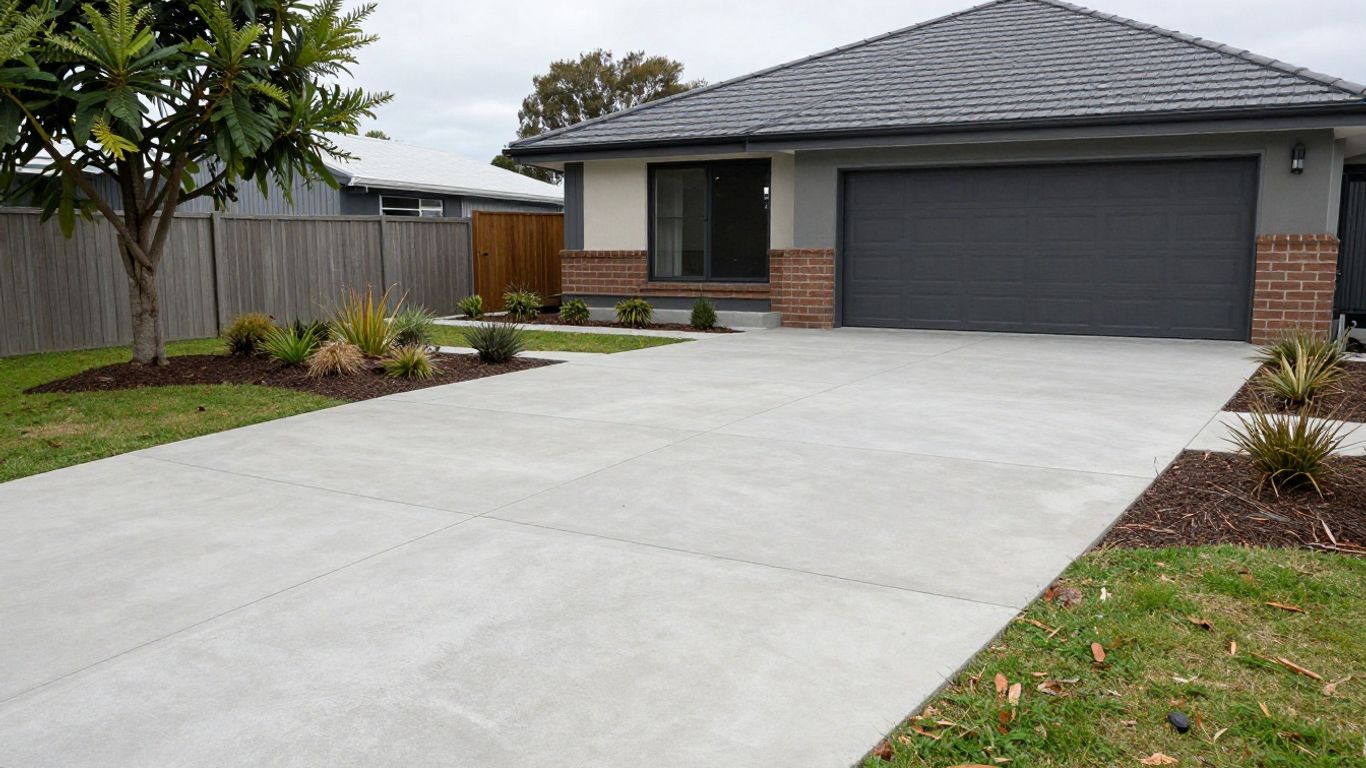
Concrete sealing services Bay of Plenty: A guide to protection, costs, and choosing a provider
Compare concrete sealing services Bay of Plenty for preparation, sealer choices, costs, and maintenance.
Published 7 October 2026
Key Takeaways
Concrete sealing can help protect a slab and make routine care easier, but the result depends on the concrete, preparation, and product choice. A clear scope makes it easier to compare providers and plan maintenance.
- Sealing can reduce moisture absorption and staining, but it is not the same as waterproofing.
- The surface’s condition and intended use should guide preparation and sealer selection.
- Penetrating and film-forming sealers offer different finishes and types of protection.
- Cost depends on area, condition, preparation, product, and number of coats.
- Ask providers to explain curing, use restrictions, warranty terms, and future maintenance.
What concrete sealing does
Concrete is porous, so water and contaminants can enter its surface and contribute to staining or wear. A suitable sealer can reduce that exposure, though it cannot repair structural problems or make every slab impervious to water. The right approach depends on the concrete’s condition and what it needs to withstand.
How sealers protect against moisture, stains, and wear
A sealer can limit how readily water, oil, and other materials enter concrete, making some stains easier to manage and helping the surface resist everyday wear. The degree of protection varies by product and application, and a sealer does not make a neglected or damaged slab new again. It is best thought of as one part of keeping concrete in service, alongside cleaning and timely repairs.
The difference between sealing and waterproofing
Sealing generally reduces absorption at the concrete surface; waterproofing aims to control water moving through or entering a structure, often using a system designed for that particular condition. Neither label alone tells you whether a product is suitable for a basement, retaining wall, or slab with persistent dampness. If water ingress is the concern, ask whether the proposed work addresses the source and whether a specialist system is needed; this overview of water-ingress repair systems gives examples of how those approaches differ from routine surface sealing.
When an existing concrete surface may need attention
A surface may benefit from evaluation if it absorbs water quickly, has recurring stains, or looks worn where people or vehicles pass often. Peeling or flaking can indicate a failing coating or poor adhesion, while cracks and ongoing dampness may require investigation beyond applying another coat. Before arranging work, note where the problem occurs and whether it changes after rain or cleaning.
Surfaces and problems sealing can address
Concrete sealing is used on a range of surfaces, but exposure and traffic matter as much as the surface name. A driveway sees vehicle weight and outdoor weather; an indoor floor may face spills and frequent cleaning instead. In Tauranga and the wider Bay of Plenty, coastal exposure can also affect how long a sealer lasts, so ask about local maintenance expectations and coastal sealer wear.
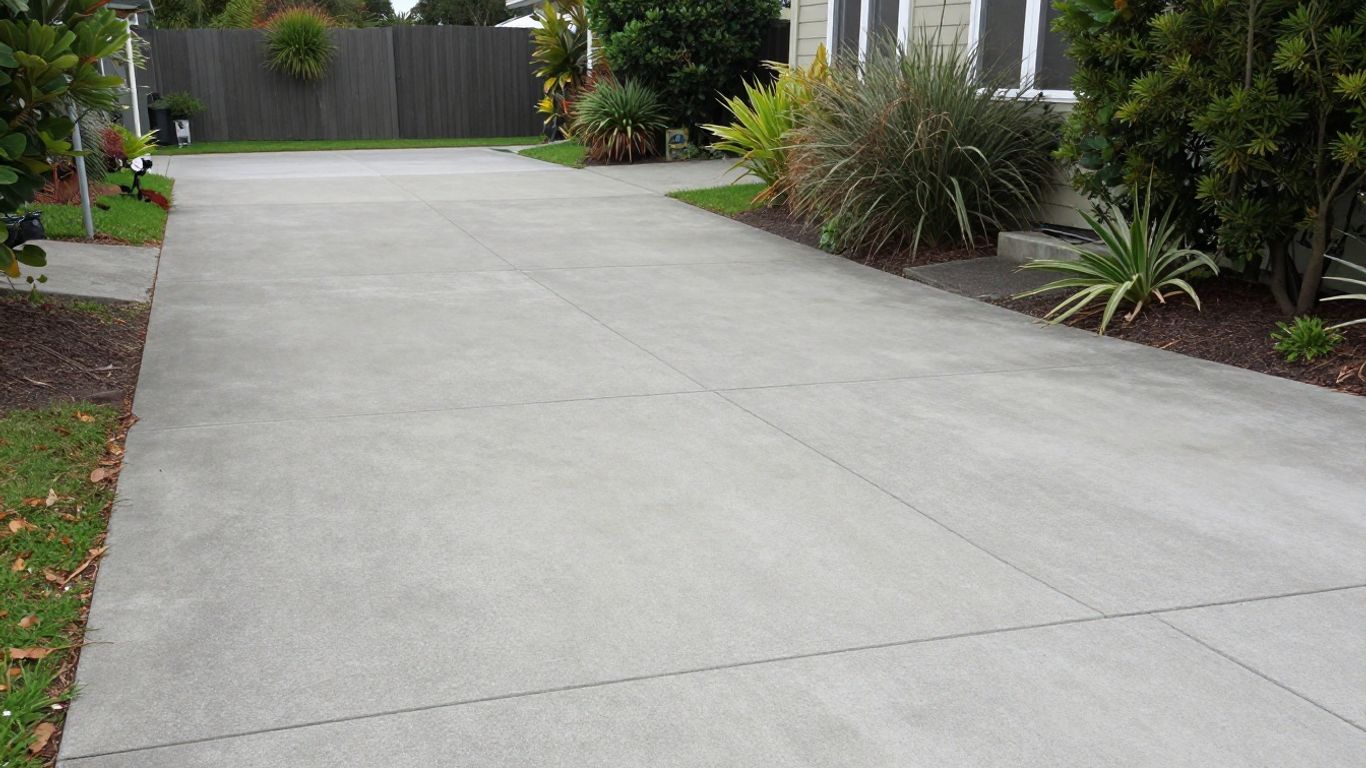
Driveways, patios, and outdoor paths
Outdoor concrete is exposed to rain, sunlight, dirt, and changing temperatures, while driveways also carry vehicle traffic. A sealer may help limit absorption and make cleaning easier, but the finish must suit the use of the area. Grinding Dynamics provides concrete sealing in Tauranga, selecting eco- or solvent-based sealers to suit the space and preparing each surface for a durable finish; its concrete sealing service is a local example to discuss when weighing options.
Garage floors and other interior concrete
Garage floors may collect oil, tyre marks, and other contaminants, while interior slabs can be affected by spills, furniture movement, or regular cleaning. Before choosing a sealer, consider whether the floor needs a natural appearance, a sheen, or added surface protection. Existing paint, adhesive, or other residue can interfere with application, so make sure the provider checks what is already on the concrete.
Common signs of staining, moisture, or surface wear
Changes in colour, persistent dark patches, rough or dusty areas, and stains that return after cleaning can all be reasons to inspect the slab. These signs do not identify one cause on their own: moisture, contaminants, previous coatings, and general wear can look similar. A site assessment helps distinguish a surface that is ready for sealing from one that needs cleaning, repair, or further investigation first.
How the sealing process works
The work should begin with an assessment rather than a product choice made in isolation. A provider needs to understand the surface, its previous treatments, the conditions it faces, and the finish you want. The scope should also make clear what preparation and curing time are included.
Assessing the concrete and preparing the surface
The slab needs to be clean and suitable for the chosen sealer. Preparation may involve washing, removing residue, or addressing a failing coating; cracks or other defects may need separate repair. Grinding Dynamics also provides concrete grinding and slab preparation, including removal of glue and paint, levelling high spots, or preparing a ground and sealed floor. Ask what preparation the assessment recommends and why, since surface preparation can affect how well a sealer adheres and performs.
Choosing the right application method
The application method depends on the product, surface, and site conditions. Some sealers are applied in thin, even coats, while the preparation and equipment required can vary. Before work begins, it is useful to agree on a few practical details:
- Which sealer type and finish are proposed?
- What cleaning, grinding, or repairs are included?
- How many coats are planned, and how will coverage be checked?
- What weather or site conditions could delay application?
Clear answers help set expectations and give you a better basis for comparing proposals. If the slab has an existing coating or unusual moisture conditions, ask whether a test area or further assessment is appropriate before the full job proceeds.
Curing time and when the area can be used
A surface may feel dry before it is ready for normal use, and product instructions determine when foot traffic, vehicles, or furniture can return. Temperature, humidity, ventilation, and the number of coats can affect the schedule. Get the expected cure and re-entry times in writing, then keep the area clear for the period advised rather than judging readiness by appearance alone.
Types of concrete sealers
Sealers differ in how they interact with concrete and how they change its appearance. The most useful choice is not automatically the glossiest or most expensive one; it is the product that suits the slab, exposure, and maintenance plan. Discuss both performance and finish before approving a specification.
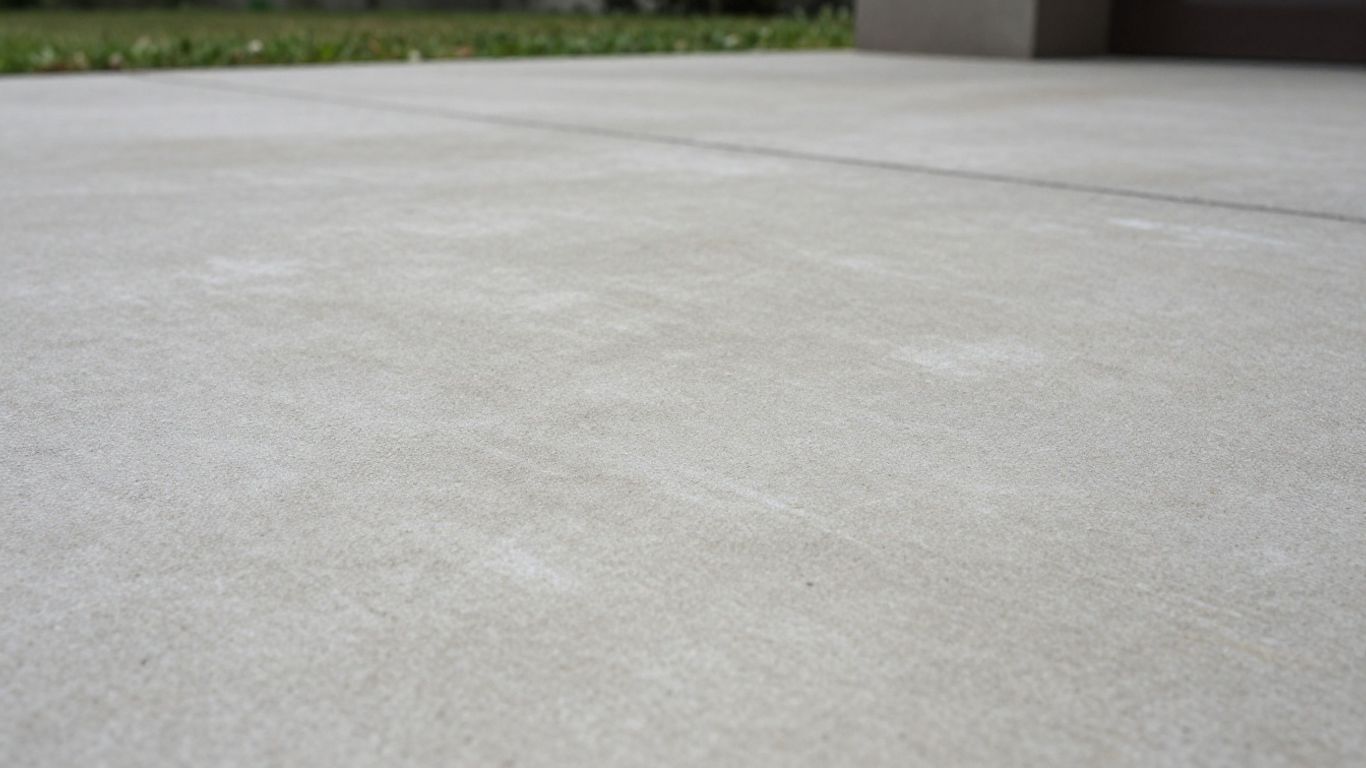
Penetrating sealers for a natural-looking finish
Penetrating sealers enter the concrete and generally leave less of a visible surface film than film-forming products. They may suit someone who wants to retain a relatively natural look, though the exact appearance and performance depend on the product and slab. Confirm what the sealer is intended to protect against and what routine care it requires.
Film-forming sealers for added surface protection
Film-forming sealers create a layer on the concrete surface, which can change its sheen and provide a distinct protective finish. The film’s condition can be affected by traffic, sunlight, moisture, and preparation, and worn areas may need attention before recoating. Ask how the proposed product behaves in the intended setting rather than assuming every surface coating performs alike.
How finish, slip resistance, and exposure affect the choice
Finish is only one part of the decision: foot traffic, wet conditions, cleaning, and exposure all matter. A surface that looks suitable when dry may feel different underfoot when wet, so discuss grip as well as appearance. This comparison can help frame the conversation, but product instructions and a site assessment should determine the final choice.
| Consideration | Question to discuss | Why it matters |
|---|---|---|
| Appearance | Should the finish look natural, satin, or glossy? | The product can change the slab’s visible character. |
| Exposure | Will the area face sun, rain, or coastal conditions? | Exposure can affect sealer wear and maintenance. |
| Traffic | Will people, vehicles, or equipment use the area? | Use influences product suitability and upkeep. |
| Wet grip | Could the surface be walked on when wet? | Slip resistance should be considered with the finish. |
A comparison like this makes trade-offs easier to explain without treating one sealer as right for every slab. Ask the provider to identify the product’s intended use and any limits relevant to your site.
What influences the cost of concrete sealing
There is no reliable price based on square metres alone. Two areas of similar size may require different amounts of cleaning, repairs, or coating removal, and the selected sealer also affects the scope. Request a site-based quote that spells out the work rather than comparing totals without context.
Surface area, condition, and preparation needs
Larger areas generally require more material and labour, but access and surface condition can change the time involved. A clean, sound slab may need less preparation than one with old coatings, stains, or damaged patches. Ask whether repairs are included or priced separately, and whether the provider expects to uncover additional work once preparation begins.
Sealer type and number of coats
Different products have different material costs and application requirements. The number of coats, drying intervals, and amount of preparation can all affect the total, so a quote should identify the proposed product and coat schedule. If one estimate is much lower than another, check whether each includes the same level of preparation and finish.
Comparing quotes and clarifying what is included
A useful quote describes the surface area, preparation, product, coats, exclusions, and expected return-to-use time. For polished concrete work, the local guide to polished concrete costs also shows why slab condition, access, repairs, and finish can influence an assessment. When comparing sealing proposals, use the same habit: check the scope line by line, not just the final amount.
Choosing concrete sealing services in Bay of Plenty
Choosing a provider is easier when the conversation is specific to your slab and its use. Ask what the assessment found, what work is proposed, and how the provider will judge whether the surface is ready. A clear explanation is more useful than a broad promise of a particular result.
Checking experience with similar surfaces and conditions
Ask whether the provider has worked on a surface like yours, such as an exposed path, a garage, or a high-traffic interior. The relevant experience is not just familiarity with a product; it includes understanding preparation and the conditions the slab will face. Grinding Dynamics creates polished, ground, textured, and sealed concrete floors across Tauranga and the wider region, as described in its information on sealed concrete floor options.
Questions to ask about products, preparation, and warranties
Ask for the sealer name, intended use, finish, number of coats, and preparation steps. Confirm whether cracks, coating removal, or other repairs are included, and ask what the warranty covers and excludes. A warranty should be understood in practical terms: what condition must be maintained, how problems are assessed, and what remedy is offered.
Reviewing maintenance guidance and expected resealing needs
Maintenance depends on the sealer, exposure, and amount of traffic, so avoid relying on a universal resealing interval. Ask what signs indicate the surface needs attention, which cleaning methods are suitable, and whether the provider recommends periodic inspection. With this guidance in hand, you can plan upkeep around the actual slab rather than waiting until wear is pronounced.
Conclusion
Concrete sealing can help protect a surface and simplify its care, but success depends on sound assessment, suitable preparation, and a product matched to the slab’s use. For concrete sealing services Bay of Plenty, compare detailed scopes, ask about curing and maintenance, and make sure the proposed finish works for the conditions the concrete will face.
Frequently Asked Questions
Does concrete sealing make a slab waterproof?
Not necessarily. Sealing can reduce absorption at the surface, while persistent water ingress may require investigation and a waterproofing system designed for the structure.
How often should concrete be resealed?
There is no single interval for every slab. Exposure, traffic, product type, and maintenance all affect how long a sealer performs, so follow the product guidance and watch for wear.
Can an old concrete driveway be sealed?
Often it can, but the slab should be assessed first. Existing coatings, stains, cracks, or surface damage may need attention before a new sealer is applied.
Does sealing change the appearance of concrete?
It can. Some sealers leave a relatively natural look, while others create a visible film or sheen, so confirm the expected finish before work begins.
Is sealed concrete slippery when wet?
It depends on the surface texture, sealer, and conditions. Discuss wet grip with the provider, particularly for paths, entrances, and other areas that may be walked on in rain.
How long before a sealed area can be used?
The timing depends on the product, application, weather, and type of traffic. Follow the provider’s re-entry guidance for foot traffic, vehicles, or furniture.
What should a concrete sealing quote include?
It should identify the area, preparation, sealer, number of coats, exclusions, expected cure time, and maintenance guidance. This makes it easier to compare the actual scope of different proposals.