
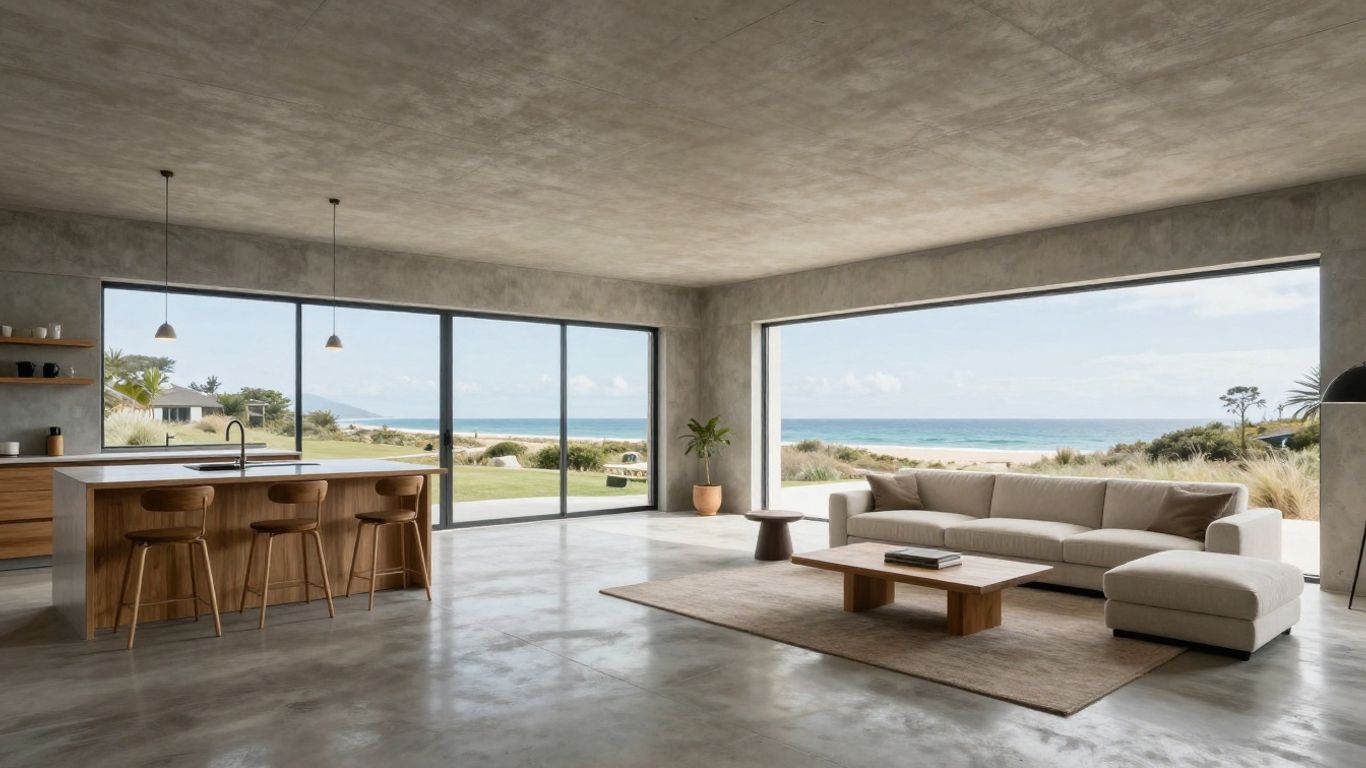
Polished concrete in Tauranga: Costs, finishes, and what to expect
Plan polished concrete Tauranga floors with practical guidance on finishes, costs, installation, and care.
Published 7 October 2026
Key Takeaways
Polished concrete makes the slab itself the finished floor, so the concrete already in place matters as much as the finish you choose. A site assessment and sample grind can help turn broad preferences into practical decisions.
- The slab’s condition, mix, placement, and existing repairs influence the finished appearance.
- Gloss level and aggregate exposure are separate choices that shape the look of the floor.
- Floor size, access, repairs, and finish requirements all affect project costs.
- Compare quotes by checking preparation, polishing, sealing, cleanup, and access arrangements.
- Plan timing with other trades and allow the concrete to reach the required age before polishing.
Where polished concrete works well
Polished concrete can suit spaces where the slab is in good enough condition to become the finished floor and where its natural character fits the design. The right choice depends on how the room is used, the slab’s quality, and the look you want from the aggregate and sheen. It is worth weighing practical needs alongside appearance, especially where the floor will see wet traffic or heavy use. Polished concrete applications include a range of residential and commercial settings, though each floor still needs to be considered on its own.
Living areas, kitchens, and open-plan spaces
In living areas and kitchens, a polished slab can create a continuous floor through connected rooms, with no separate flooring material covering the concrete. That can work well with timber, rugs, and other finishes, but the visual result depends on the slab’s color, aggregate, and surface marks. Think about how the floor will feel in daily use, too: rugs can soften seating areas, while furniture pads help limit scratches from moving chairs. The choice is less about a showroom-perfect surface and more about whether the concrete’s natural variation suits the room.
Garages, workshops, and commercial floors
Garages, workshops, and commercial spaces may call for a practical finish that can handle regular traffic and is straightforward to maintain. The intended use matters: a dry interior floor and an area exposed to water or oils do not have identical requirements. Consider how vehicles, equipment, foot traffic, and spills will affect the floor, then discuss the appropriate finish and sealing with the contractor. Polished concrete can also be specified for retail and other commercial spaces; wider floor uses range from residential to industrial settings.
When another flooring option may be a better fit
Concrete is not automatically the best choice for every room. If you want a particularly soft or warm feel underfoot, need a floor that hides existing slab variation, or prefer a highly consistent manufactured pattern, another flooring material may better suit your priorities. Wet areas also need careful consideration: a polished interior finish should not be assumed to provide the grip required outdoors or around a pool. Compare the practical trade-offs as well as appearance before committing to the slab as the finished surface.
How existing concrete affects the result
An existing slab may be suitable for polishing, but its history and condition help determine what can be achieved. Cracks, patches, old adhesives, coatings, and changes in aggregate can become visible when the surface is ground. The depth of cut and level of polish affect the result, but grinding cannot make every slab uniform or erase every mark. For an older floor, existing slab suitability is a useful starting point for understanding what an assessment and test grind can reveal.
Polished concrete finishes and design choices
A polished floor is shaped by more than its sheen. Aggregate exposure, concrete color, the depth of grinding, and the character of the slab all contribute to the finished appearance. These decisions are best discussed early, especially for a new build where the mix and pour can influence the result. Grinding Dynamics polishes concrete floors across Tauranga and the Bay of Plenty; Tauranga finish options can help frame a conversation about the look you want and what your slab may allow.
Gloss levels and surface appearance
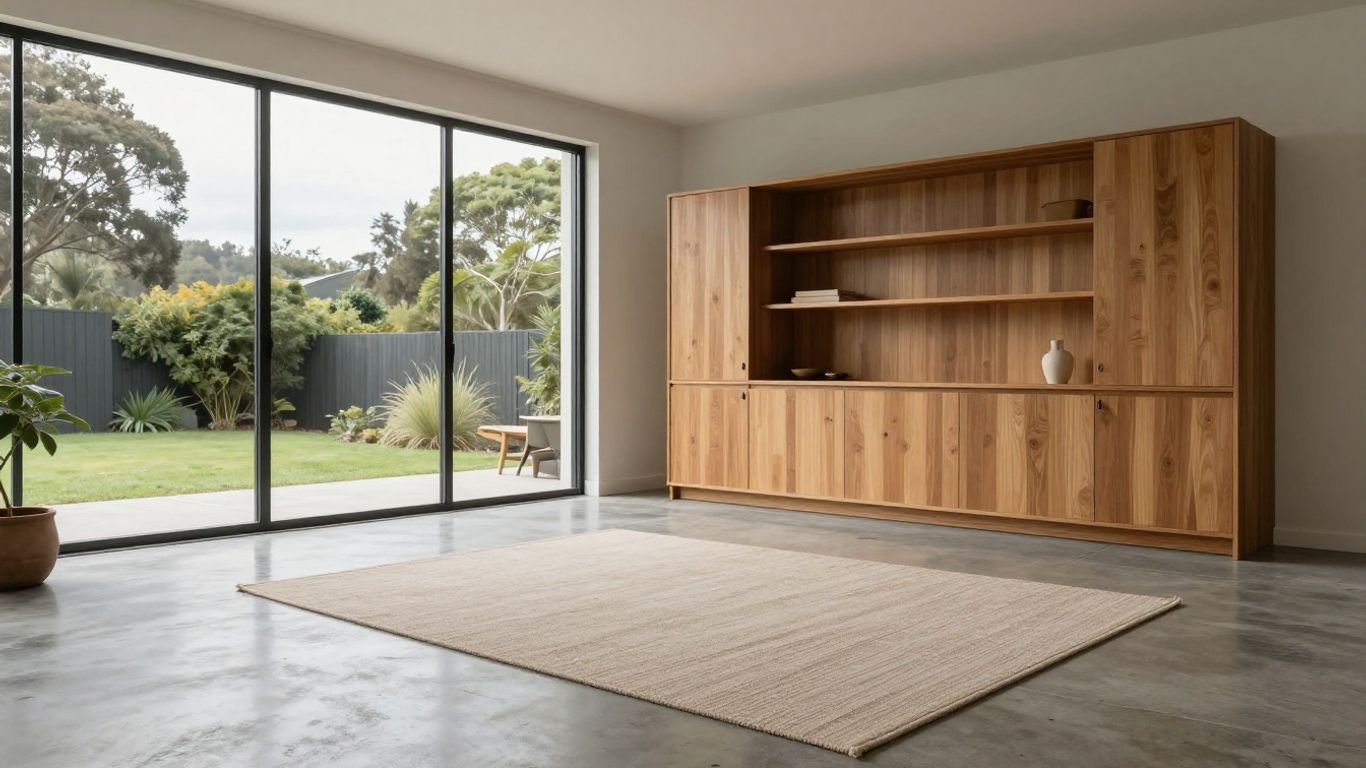
Gloss describes how much light reflects from the floor; it does not tell you how much aggregate is exposed. A lower-sheen finish can look quieter, while a higher sheen reflects more light and can make surface marks or variation easier to notice. The choice should account for room lighting, use, and the condition of the slab rather than being treated as a simple upgrade. Ask to see examples of a comparable finish, while remembering that a sample from your own concrete is a more reliable guide to your result.
Aggregate exposure, from subtle to pronounced
The depth of cut affects whether the surface shows mostly cement paste, a scattering of small stones, or more of the aggregate. These are commonly described as natural or cream, salt-and-pepper, and heavier exposure, though the precise appearance depends on the slab. A deeper cut can reveal more stone, but it may also uncover differences in the mix or placement. Exposure levels by cut depth offer a helpful vocabulary for discussing options with a contractor, not a guarantee that every slab can deliver each look.
Color, stains, and decorative effects
The concrete itself contributes color, and pigments or other decorative choices need to be considered alongside the aggregate and sealer. Color viewed on a screen or in a photograph may not match the finished floor, since cement type, mix, placement, polishing depth, and lighting can all affect how it reads. For a new slab, settle color choices before the concrete is ordered and ask to review physical samples. On an existing floor, a sample grind can help show how the actual concrete responds before a larger area is undertaken.
Matching the finish to your space and lighting
A finish that looks balanced in a bright showroom can read differently in a shaded room or under warm evening lights. Consider window direction, artificial lighting, adjoining materials, and how much natural variation you are comfortable seeing. A subtle exposure may keep attention on the overall room, while more visible aggregate can make the floor a stronger feature. The important thing is to make the choice with your own slab and space in mind rather than relying on a generic photograph.
How the installation process works
Polishing begins with the concrete, not with a material placed over it. The work typically involves assessing the slab, preparing and grinding the surface, repairing where appropriate, and moving through progressively finer polishing stages. The exact sequence depends on the floor’s condition and the finish selected. Grinding Dynamics describes its process from slab inspection to handover, a useful reminder to ask how each project stage will be handled.
Assessing and preparing the concrete
The initial assessment looks at the slab’s age, flatness, cracks, previous coverings, and any areas that may need repair. For a new pour, preparation starts earlier: the intended finish should inform decisions about the concrete and site sequencing. Concrete should be at least 28 days old before polishing, and site conditions or project timing can affect when work can begin. A test grind on the actual slab helps preview its aggregate and color before final choices are made.
Grinding and repairing the surface
Grinding removes surface material in a controlled way, revealing the concrete beneath and preparing it for the selected finish. Edges and tight areas may need separate attention, while cracks, holes, adhesive residue, or uneven areas can add work. Repairs can improve the surface but may remain visible rather than disappearing into the surrounding concrete. The depth of grinding should be agreed in advance, since it influences both aggregate exposure and the character of the finished floor.
Applying densifiers and polishing progressively
Once the surface has been prepared, a densifier may be applied as part of the polishing system, followed by further grinding and polishing steps. The sequence and tools depend on the chosen finish and the condition of the concrete. Each stage gradually refines the surface; it is not simply a matter of one final pass. Understanding the planned cut and polish level can help you compare proposals that may otherwise use similar-sounding finish descriptions.
Sealing, curing, and planning access to the floor
Sealing and handover requirements should be discussed before the work begins. Ask what product or system is proposed, how it suits the floor’s use, and how long the area needs to remain clear. Access may be restricted while the floor is being worked on and during any specified curing or drying period. The contractor should explain when other trades, furniture, and normal foot traffic can return, since those details affect the renovation schedule.
What affects polished concrete costs in Tauranga
There is no single price that applies to every polished concrete project. The area to be treated, the layout, the slab’s condition, and the finish all influence the amount of work required. Quotes can also differ in what they include, so comparing a headline rate alone may leave important details unclear. For a local breakdown of polished concrete cost factors, look at the variables alongside the scope of work being proposed.
Floor size, layout, and site access
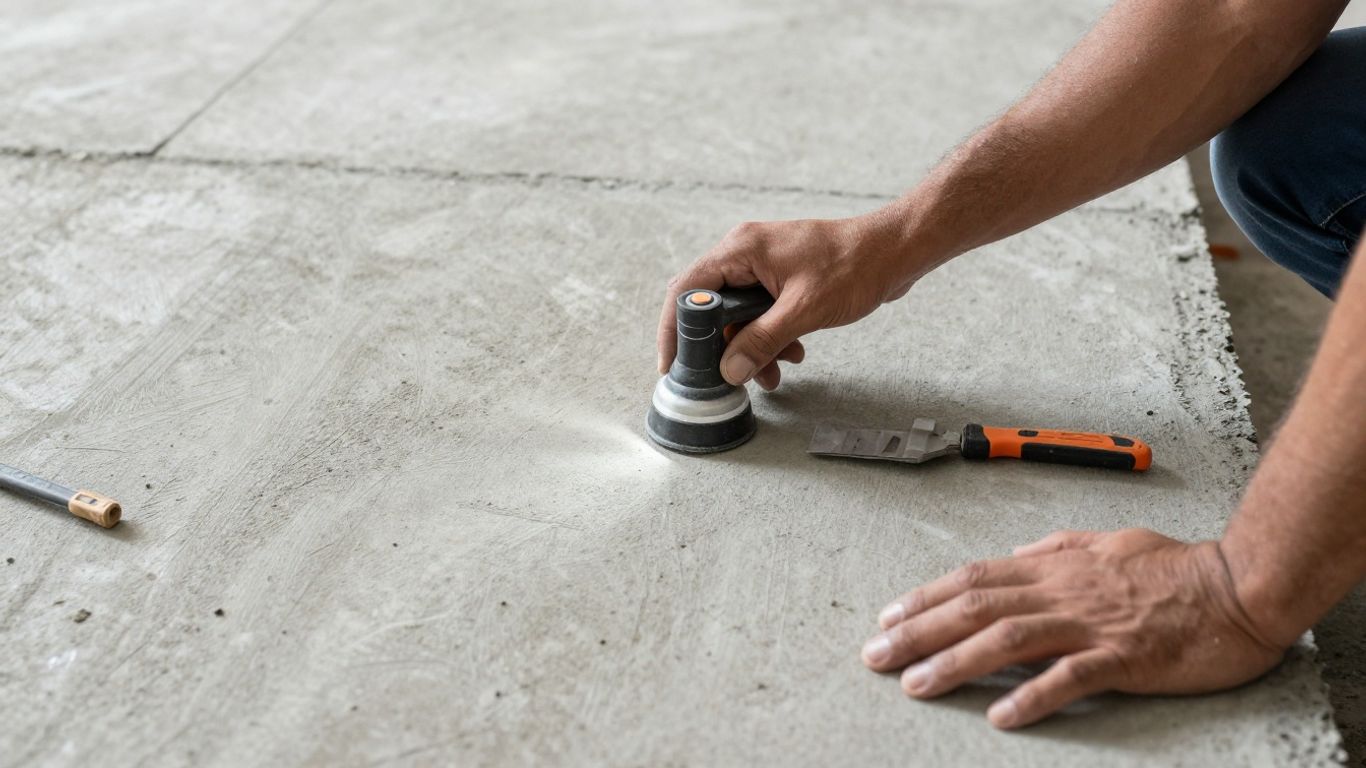
A larger, open area can be more straightforward to work across than a smaller floor divided by rooms, doorways, or fixed fittings. Tight access, stairs, limited working space, and the need to protect adjoining areas can affect setup and progress. Ask whether the quote includes edge work and how the contractor plans to reach corners and transitions. A site visit gives a more useful basis for pricing than floor area alone.
Concrete condition and repair requirements
The slab may need extra grinding or repairs if it is uneven, damaged, contaminated, or covered with old adhesive or coatings. The extent of those requirements is not always clear until the floor has been inspected, and some conditions become more apparent during preparation. The quote should explain how repairs are handled and how any changes in scope will be discussed. That helps distinguish work included in the original price from unforeseen work that may affect the total.
Finish level and aggregate exposure
The selected finish changes the amount and type of grinding needed. A particular depth of cut or a higher polish level may take more work than a simpler finish, while the slab’s aggregate can limit how closely the desired look is achieved. The following comparison is a useful way to organize questions about the relationship between finish choices and the slab:
| Decision | What it describes | Why it can affect cost |
|---|---|---|
| Exposure | How much aggregate is revealed | Deeper cuts may require additional grinding |
| Polish level | How refined or reflective the surface is | More polishing stages may be involved |
| Repairs | Work on cracks, holes, or uneven areas | Extra preparation can add labor |
| Access and edges | How the team reaches the full floor | Tight layouts may need more detailed work |
These are related but separate considerations, so ask for each to be identified rather than bundled into a vague label such as “standard polish.” A Tauranga cost guide also highlights factors such as repairs, access, edge work, and sealer. Confirm that the quote reflects the finish you have discussed, not a different allowance.
Comparing quotes and checking what is included
When you request quotes, give each contractor the same project information and ask for the proposed finish, preparation, repairs, sealing, cleanup, and assumptions about access. A compact set of questions can make differences easier to spot:
- What grinding depth and aggregate exposure does the quote assume?
- Are repairs, edge work, and removal of old coverings included?
- What sealing or final treatment is specified?
- How are unexpected slab conditions and price changes handled?
Clear answers help you compare the actual scope rather than just the total. If a detail is not stated, ask for it in writing before the work is scheduled.
Choosing a polished concrete contractor
A good contractor should be able to explain what the slab can support, what choices remain, and where the result may vary. Look for practical discussion of preparation, cut depth, repairs, sealing, and timing rather than a promise of a particular appearance based only on a photograph. Ask how the work will be assessed and what decisions need to be made before the job begins. The conversation itself can show whether expectations are being set clearly.
Questions to ask before requesting a quote
Before requesting a quote, gather the floor area, site access details, intended use, and whether the concrete is new or existing. Explain any known coatings, cracks, moisture concerns, or previous repairs. Then ask what information the contractor needs to inspect the slab and price the work accurately. This preparation makes it easier to receive a quote that addresses your project rather than a generic estimate.
Reviewing samples and previous projects
Previous projects can help you understand the range of possible finishes, but they cannot predict the exact appearance of your own slab. The concrete mix, placement, screeding, curing, and repairs all contribute to its character. Ask whether the contractor can make a sample grind on your floor, particularly if exposure and color are important decisions. A physical sample viewed in the actual space is more useful than relying on a similar-looking image.
Confirming preparation, sealing, and cleanup details
Ask what preparation is included and whether old coatings, adhesive, or damaged areas are part of the quoted work. It is also worth confirming the proposed sealer, the expected cleanup, and how dust or debris will be managed around adjoining rooms. For work involving concrete grinding, Tauranga grinding services are described for preparation, slab leveling, and removal of adhesives or coatings. Use the scope of your own job to establish which of those tasks, if any, are required.
Checking timelines, warranties, and responsibilities
Before accepting a quote, make sure the schedule identifies when the contractor needs access and when the floor can be used again. Ask what the warranty covers and what maintenance or care is expected after handover. Confirm who moves furniture, protects nearby finishes, and coordinates access with other trades. Written responsibilities reduce confusion once the room is cleared and the work is underway.
Caring for polished concrete floors
Routine care is generally about keeping grit off the surface and cleaning with products suited to the finish. The right approach depends on how the floor is used and what sealing system has been applied. Establish the care instructions at handover rather than assuming every polished floor should be treated identically. A few simple habits can help keep everyday dirt from becoming an avoidable source of wear.
Everyday dust and grit removal
Dust and grit can be removed with a soft-bristle broom, dust mop, or vacuum suitable for hard floors. Regular removal matters most around entrances and high-traffic areas, where particles are more likely to be tracked through the space. Use protective pads under furniture that moves often, and lift heavy pieces rather than dragging them. These steps are uncomplicated, but consistency helps limit scuffs.
Choosing suitable cleaners and tools
Use a cleaner recommended for the floor’s finish and sealer, and avoid abrasive pads or strongly acidic products unless the care instructions specifically allow them. A damp mop is usually a more sensible starting point than flooding the surface with water. If you are unsure about a cleaning product, test it in a discreet area or ask the installer before using it across the room. Follow the handover guidance for any product-specific restrictions.
Managing spills, stains, and scuffs
Wipe spills promptly, especially oils or strongly colored liquids, since sealing does not make a floor impervious to every stain. Use a soft cloth or suitable cleaner rather than scrubbing aggressively at a mark. Small scuffs may clean off, while deeper damage or staining may need assessment. Keep a note of the product used on the floor so a maintenance professional can give relevant advice if a problem persists.
When professional maintenance may be needed
If the floor becomes difficult to clean, develops persistent marks, or appears to have lost some of its original sheen, ask a flooring professional to assess it before applying a new product. The right response depends on the surface and sealer; adding an incompatible coating or cleaner can complicate later work. Grinding Dynamics provides professional concrete sealing for floors and other concrete surfaces, with sealer selection based on the surface, exposure, and use. Ask whether resealing or another maintenance step is appropriate for your particular floor.
Planning a project in Tauranga
A polished concrete floor is easier to coordinate when it is considered early in the project rather than left until the end of construction. The slab, finish decisions, trades, and access schedule all affect one another. This is true for a new build as well as a renovation, though an existing floor brings its own questions about coverings, repairs, and site conditions. A little planning helps avoid rushed choices and protect the finish once it is complete.
Coordinating with renovations and other trades
For a renovation, decide when the floor work will happen in relation to demolition, cabinetry, painting, and other trades. Polishing too early can expose the finished surface to damage from later work; leaving it too late may constrain access or delay installation. Builders and project managers should agree who is responsible for site readiness and floor protection. A clear sequence gives the contractor room to prepare and finish the slab properly.
Considering moisture and site conditions
Moisture and general site conditions can affect preparation, scheduling, and the suitability of a floor for a particular use. Discuss any known dampness, previous water entry, or site-specific concerns during the assessment. The contractor can advise what needs checking before the work proceeds and whether conditions could affect the proposed timing. Avoid making assumptions based only on how dry the surface looks on the day of a visit.
Protecting nearby rooms and furnishings
Clear the work area and decide how adjoining rooms, doors, and finished surfaces will be protected. Ask how equipment, materials, and debris will move through the site, and confirm whether furniture removal is your responsibility. Even when the work area is well defined, a renovation can affect access to neighboring rooms. Planning those details in advance makes the job less disruptive.
Setting expectations for natural variations in concrete
Concrete is made and finished on site, so variation in color, aggregate, and surface character is part of working with it as the finished floor. The mix, placement, screeding, curing, and any later repairs all matter, and grinding can reveal rather than conceal some of those differences. A sample grind on your own slab is the best way to preview what is possible, though it cannot remove every natural variation across a large area. Agree on the intended character of the finish before work begins.
Conclusion
Polished concrete in Tauranga can be a practical, distinctive way to use the slab as the finished floor, provided the choices match the space and the concrete can support them. Start with an assessment, discuss exposure and polish level in plain terms, and compare quotes by their full scope. With realistic expectations and a well-planned schedule, you can make decisions that suit both the character of the slab and the way you live or work on it.
Frequently Asked Questions
How much does polished concrete cost in Tauranga?
Cost depends on floor size, layout, access, the slab’s condition, repairs, and the selected finish. Request a site-based quote that explains what preparation, polishing, sealing, and cleanup are included.
Can an existing concrete slab be polished?
Many existing slabs can be considered, but suitability depends on condition, coatings, repairs, and the desired finish. An inspection and sample grind can show more than photographs or a description alone.
How long does polished concrete installation take?
Timing varies with the area, slab condition, repair work, and finish requirements. Ask the contractor for a project schedule, including preparation, polishing, sealing, and when the floor can be accessed again.
Does polished concrete show cracks and repairs?
It can. Grinding may reveal cracks, patches, and differences that were less visible before, and repairs can remain noticeable. Discuss known defects and expectations during the slab assessment.
What is the difference between aggregate exposure levels?
Exposure describes how much stone is visible at the surface, from mostly cement paste to more pronounced aggregate. The achievable look depends on the slab and the depth of cut.
Is polished concrete slippery when wet?
A polished interior finish should not automatically be treated as suitable for wet outdoor areas. Discuss the intended use and required grip with a contractor, especially for pool surrounds, steps, and exposed paths.
How should I clean polished concrete?
Remove grit regularly with a soft broom, dust mop, or suitable vacuum, then use a cleaner recommended for the finish and sealer. Wipe spills promptly and follow the care instructions provided at handover.