
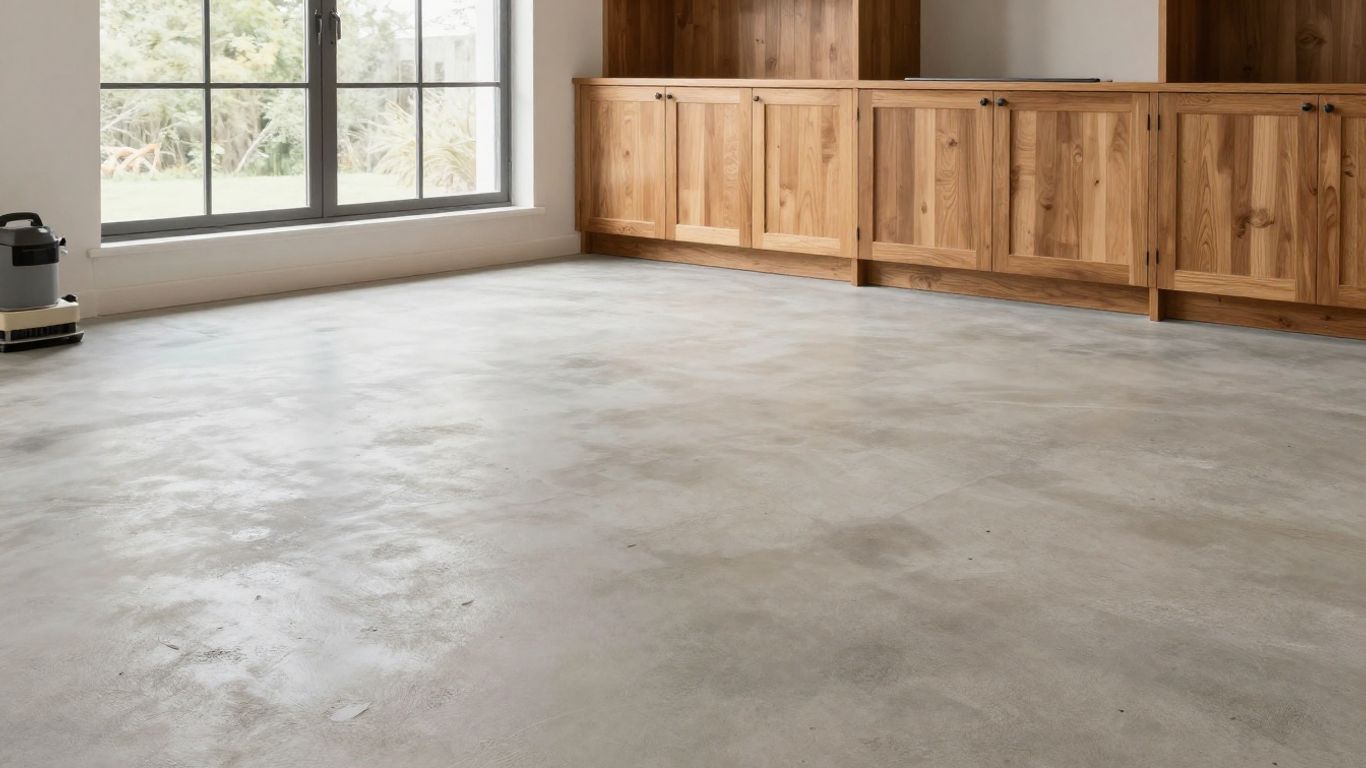
Concrete grinding Bay of Plenty: A practical guide to services, finishes, and costs
Plan concrete grinding Bay of Plenty projects with practical advice on finishes, preparation, contractors, and costs.
Published 7 October 2026
Key Takeaways
Concrete grinding can level a slab, remove old surface materials, or prepare it for a chosen finish. The slab itself, the amount of grinding and the conditions on site all influence the result and cost.
- Grinding removes surface material to address unevenness, coatings, adhesives, or wear.
- The desired result may be a prepared surface, a polished floor, a sealed finish, or textured concrete.
- Existing slab condition and the quality of a new pour influence the final appearance.
- A site assessment and sample grind can help clarify finish options before work begins.
- Quotes are most useful when they describe preparation, finish, access, and any repairs included.
What concrete grinding involves
Concrete grinding uses abrasive tools to remove or refine the upper surface of a slab. The work may be limited to preparing concrete for another floor finish, or it may form part of a finished ground, polished, sealed, or textured surface. The right approach depends on the slab, the intended use, and the finish being considered.
How grinding removes unevenness and surface coatings
A grinder works across the concrete with abrasive segments, gradually removing material from high spots or unwanted surface layers. Depending on the job, this can help address lippage, old paint, glue, or other residue, though deep damage and significant changes in level may require a different repair plan. An assessment matters because the amount that can be removed is limited by the slab’s thickness and condition.
For an existing floor, the first step is to understand what is on the surface and what lies beneath it. Existing-floor rejuvenation may involve a test patch to check how coatings, residue, and wear respond before a wider area is ground. That small check can reveal whether the planned finish is realistic for the slab.
The equipment and abrasives used for different jobs
The size of the grinder, the abrasive type, and the sequence of grits depend on the work. A coarse abrasive removes material more quickly, while finer stages refine the surface; an edge grinder is used where a larger machine cannot reach. Rather than assuming one tool suits every floor, a contractor should match the equipment to the access, slab condition, and required finish.
This simple comparison shows how the work can vary by purpose:
| Task | Typical approach | Intended result |
|---|---|---|
| Remove surface residue | Coarser grinding stages | A cleaner slab ready for assessment or further preparation |
| Reduce high spots | Targeted grinding | A more even surface where the slab allows |
| Refine concrete for polishing | Successive abrasive stages | A smoother finish with the chosen level of aggregate exposure and sheen |
The table is a starting point, not a fixed specification. A contractor’s assessment should confirm the actual grinding sequence, particularly when the surface has several coatings or the required finish depends on the slab’s aggregate.
When grinding is part of a larger flooring project
Grinding may be one step in a project that also includes polishing, sealing, or texturing. It can prepare a slab for a coating installed by another trade, but polished concrete is created by refining the concrete itself rather than laying a coating over it. If the floor is intended to remain exposed, the planned cut and polish should be discussed alongside the slab’s colour and aggregate.
For more detail on planning, curing, and the sequence of work, see this concrete floor planning advice. For projects involving polishing, concrete should be at least 28 days old before polishing begins; the timing and site schedule still need to suit the specific project.
Where concrete grinding can be used
Grinding can be useful wherever a concrete surface needs preparation, refinement, or a different finish. Residential floors, commercial spaces, and outdoor slabs each bring their own demands, from furniture and doorway access to traffic and wet conditions. The intended use should guide the work rather than appearance alone.
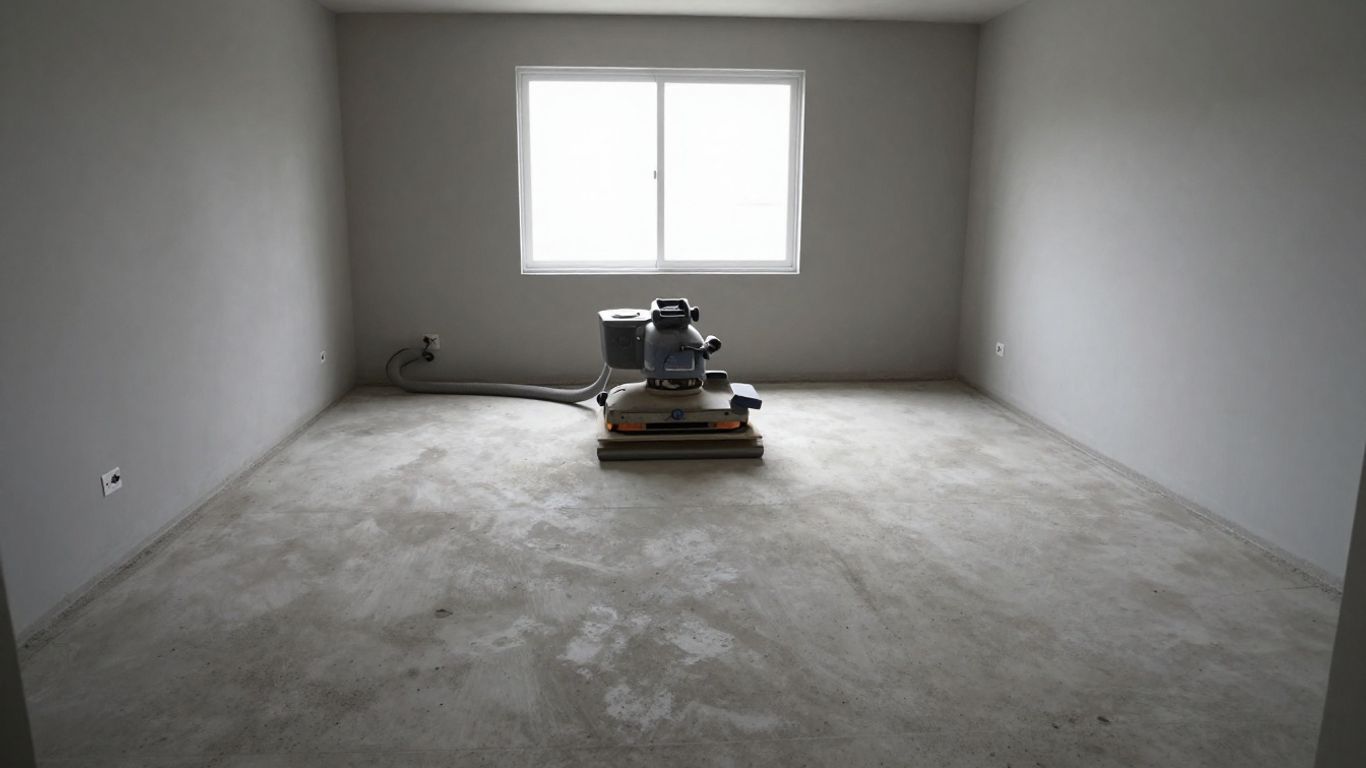
Preparing residential floors for a new finish
In a home, grinding may remove old adhesive after flooring has been lifted, reduce surface irregularities, or prepare a slab for a new floor covering. If the concrete will remain visible, homeowners should also consider how the slab’s colour, aggregate and previous repairs may appear once the surface is refined. A sample on the actual floor is more useful than relying on a photograph of a different slab.
Improving floors in commercial and industrial spaces
Shops, workspaces, and industrial areas often need a floor that suits the expected traffic and maintenance routine. Grinding can prepare a slab for a specified finish or help create an exposed concrete surface, but it does not resolve every underlying issue. Grinding Dynamics works across residential, commercial, and civic projects, and the appropriate finish still depends on the site’s requirements and the condition of its concrete.
There are wider practical considerations when comparing approaches to concrete floors; this overview of grinding and polishing is one useful starting point. For a local project, a site inspection is still needed to establish whether the slab can support the intended result.
Addressing outdoor concrete and site-specific conditions
Outdoor concrete needs to be considered differently from an interior polished floor. Rain, salt, weathering, footwear, and changes in level can all affect how a surface performs, especially around steps, ramps, driveways, and pool areas. Where wet grip is a priority, a textured finish may be more appropriate than a smooth polished surface.
Grinding Dynamics is an approved PeterFell TextureSafe applicator; the PeterFell TextureSafe System uses bush hammering to build durable slip resistance into concrete. The textured pool-surround options explain how a textured surface can be considered for wet areas, while a site assessment helps determine its suitability for the specific slab.
Choosing a concrete finish
A finish should be chosen for how the surface will be used as well as how it should look. Some projects need a smooth base for floor coverings, while others keep the concrete exposed and refine its appearance. In either case, the existing slab strongly influences what is achievable.
Leaving a smooth surface for floor coverings
When another floor finish will cover the concrete, the goal is typically a suitably prepared and even surface rather than a decorative polish. The preparation required depends on the covering, adhesive residues, and slab condition. The installer of the next flooring material should confirm its requirements so the grinding work is matched to them.
Be clear about whether the work includes removing old adhesive, filling repairs, or addressing level differences. Concrete grinding services describe common preparation tasks such as removing glue and paint, levelling high spots, and preparing slabs for coatings. Agreeing the intended handover condition helps avoid assumptions between trades.
Creating a polished concrete look
Polished concrete is made by grinding and refining the slab, with the cut depth influencing how much aggregate is revealed and the grinding sequence affecting the sheen. It is a finished concrete surface, not a separate coating laid over the slab. The mix, placement, screeding, curing, and past use all contribute to the character of the result, so uniformity cannot be assumed.
Grinding Dynamics is an approved PeterFell C2 applicator. A polished concrete floor assessment can help establish which finish options suit a particular slab. For a more dependable decision, a sample grind on the customer’s own concrete shows its colour and aggregate more directly than generic images can.
Comparing sealed, honed, and exposed aggregate finishes
A sealed finish uses a sealer selected for the surface and its setting. A honed surface is refined to a smoother, generally lower-sheen appearance, while an exposed aggregate finish reveals more of the stone in the concrete through a deeper cut. The names can cover different specifications, so discuss the desired appearance and performance in practical terms.
| Finish direction | What to discuss | Useful consideration |
|---|---|---|
| Sealed concrete | Sealer type and surface preparation | Suitability for the space and expected exposure |
| Honed appearance | Cut depth and sheen | How much aggregate should remain visible |
| Exposed aggregate | Degree of exposure and sample result | The slab’s stone and colour influence the outcome |
These categories are not interchangeable, and the exact result depends on the slab and selected process. Concrete sealing options can help frame questions about protection, while a physical sample gives a more grounded basis for choosing exposure and sheen.
How to prepare for a grinding project
Good preparation reduces avoidable delays and helps the contractor assess the real work. Before the job, confirm what needs to be removed, what surfaces must be protected, and how the area will be accessed. The project plan should also account for the slab’s condition and the disruption created by machinery.
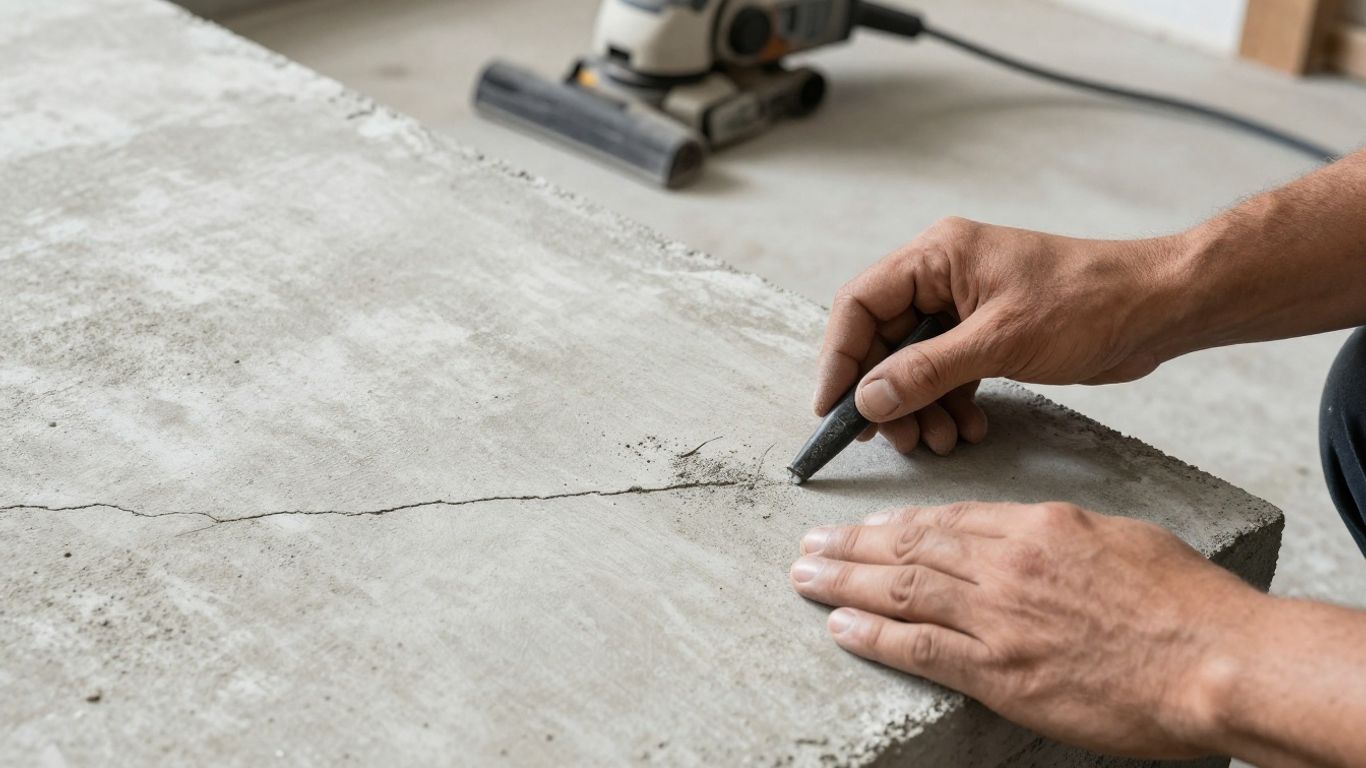
Clearing the work area and protecting nearby surfaces
Remove furniture, stored materials, and loose items from the work zone, and confirm who will move anything that cannot be cleared easily. Discuss adjoining rooms, doorways, cabinetry, and other finishes that could be affected by equipment or debris. Clear access makes it easier to inspect edges and helps the work proceed without interruptions.
A short preparation checklist can make the conversation more concrete:
- Empty the grinding area and identify items that need special handling.
- Point out adjoining finishes, thresholds, and areas that need protection.
- Confirm access routes, parking, and any site entry arrangements.
- Agree how rooms or work areas will be kept available during the project.
Once these points are settled, the contractor can plan the work more accurately and flag any practical constraints before the start date.
Checking the slab for cracks, coatings, and moisture
Cracks, old coverings, adhesive, stains, and prior repairs can all affect the finish or the work required. Moisture should also be discussed, particularly where a future floor covering or sealer has specific requirements. A test patch may help reveal how the existing surface responds, but it cannot guarantee that every part of the slab will look identical.
For polished concrete, surface defects and colour changes may remain visible after grinding, and some cannot be corrected simply by removing more material. A guide to existing slab suitability explains why condition and a test grind matter when deciding whether an existing floor can be polished or needs another approach.
Planning for dust control, access, and disruption
Ask how dust will be controlled, where equipment will be set up, and whether the area can remain occupied during the work. Also confirm noise expectations, access to power, and whether nearby rooms or business operations need to pause. The answer varies with the machine, site layout, and scope of work, so it is better to agree practical details in advance.
What affects concrete grinding costs
There is no reliable cost figure without knowing the slab and the requested finish. The area size matters, but so do surface condition, access, material removal, repairs, and the amount of refinement needed. A written assessment can explain which of those factors are driving the scope.
The size and condition of the concrete area
A larger floor generally requires more working time, but the area alone does not tell the whole story. Uneven surfaces, multiple old layers, cracks, or difficult edges can add preparation. Slab condition can also limit the finish that is practical, so pricing should be based on the actual site rather than a broad per-square-metre assumption.
The finish, coatings, and preparation required
Removing paint or adhesive is different from preparing a slab for polishing, and both differ from grinding to reveal aggregate or refining a surface for sealing. A deeper cut, more abrasive stages, or additional repairs can change the scope. These distinctions should appear clearly in the quote, along with any exclusions.
A polished concrete cost guide outlines why a simple rate per square metre can be misleading. It is useful to compare quotes only when they describe a similar finish and level of preparation; otherwise, a lower figure may cover less work.
Site access and other project requirements
Access can affect how equipment is brought in, where work can take place, and how long setup takes. Stairs, tight doorways, limited parking, occupied spaces, and scheduling around other trades may all require additional planning. If sealing, repairs, or protection of adjacent finishes are needed, establish whether those items are included or priced separately.
How to choose a Bay of Plenty contractor
Choose a contractor who can explain the process in terms of your slab and intended use, not just offer a finish name. Ask how they will assess the concrete, what they can and cannot change, and what information they need before quoting. A clear discussion early on is often the best way to avoid mismatched expectations.
Checking relevant experience and service coverage
Look for experience with the type of work involved: preparing a slab for floor coverings, polishing an existing interior, or texturing outdoor concrete are different tasks. Confirm the contractor serves your location and can assess the site in person. Grinding Dynamics is based in Tauranga and works across the Bay of Plenty, with larger projects in the Waikato and Auckland.
Ask to see examples relevant to your project, but treat them as illustrations rather than promises of an identical result. The slab at your property has its own mix, history, and surface condition, which is why a site assessment and sample are more informative.
Asking about equipment, dust management, and cleanup
Ask what equipment will be used for the planned area and how edges and restricted spaces will be handled. Discuss dust control, site protection, and cleanup in specific terms, rather than assuming these are included in every scope. If the project is indoors, also ask how the work may affect nearby rooms and whether access needs to be restricted.
Comparing written quotes, timelines, and scope of work
A useful quote sets out the areas included, preparation steps, finish target, repairs, sealing if applicable, access assumptions, and exclusions. It should also give a realistic sequence and identify any dependencies, such as other trades completing work first. If you are comparing options, check that each contractor is pricing the same outcome, not just the same floor area.
Before accepting, ask how changes in slab condition would be handled if they become apparent during the work. A clear scope makes it easier to understand both the price and the limits of what grinding can achieve.
Conclusion
Concrete grinding can prepare, refine, or transform a slab, but the best plan begins with how the surface will be used and what the existing concrete can support. In the Bay of Plenty, a careful assessment, clear scope, and sample on the actual slab help make finish choices and costs easier to understand.
Frequently Asked Questions
What does concrete grinding do?
It removes or refines material at the surface of a concrete slab. Depending on the project, it may reduce high spots, remove residues, prepare concrete for another finish, or form part of a polished or sealed surface.
Can an old concrete floor be polished?
Often it can be considered, but the slab’s condition, coverings, cracks, and previous repairs affect what is achievable. An assessment and test grind help establish a suitable finish.
How long should new concrete cure before polishing?
For polishing, concrete should be at least 28 days old. Project timing can also depend on construction sequencing and site conditions, so confirm it with the contractor.
Is polished concrete suitable for outdoor areas?
A polished finish is generally considered for interior floors, while outdoor areas may need a textured finish where wet grip matters. The right choice depends on the location and how the surface will be used.
Will grinding remove every crack or stain?
No. Grinding can address some surface conditions, but cracks, deep stains, and other defects may remain or need separate repairs. The slab should be assessed before setting expectations.
What should a concrete grinding quote include?
A quote should describe the area, preparation, intended finish, repairs or sealing, access assumptions, exclusions, and expected schedule. Comparing quotes is easier when they cover the same scope.
What affects the cost of concrete grinding?
Area size, slab condition, coatings, grinding depth, repairs, finish requirements, and site access can all affect cost. A site-specific assessment is more useful than relying on a standard per-square-metre rate.