

Polished concrete Tauranga: costs, finishes, and what to expect
Polished concrete Tauranga: compare costs, finishes, slab preparation, and care before choosing your floor.
Published 7 October 2026
Key Takeaways
Polished concrete Tauranga projects can look quite different from one another because the slab itself plays a large part in the final finish. A little planning before the pour—or before work starts on an existing floor—helps set realistic expectations.
- The slab’s condition, concrete mix, and workmanship influence the finished appearance.
- Gloss, aggregate exposure, color, and cut depth are choices to discuss before polishing.
- Floor area, repairs, access, and the requested finish all affect project cost.
- A site assessment and sample grind can help reveal what an existing slab may offer.
- Clear preparation, sensible curing time, and routine cleaning support a better long-term result.
Why choose polished concrete in Tauranga
Polished concrete makes the slab itself the finished floor, rather than covering it with a separate flooring material. That can suit homes and commercial spaces where a hard-wearing, easy-to-clean surface is wanted, but the result depends on the concrete already in place. Tauranga projects range from new builds to renovations, so it helps to consider how the room will be used as well as how the floor should look.
Benefits for homes and commercial spaces
A polished floor can bring a simple, continuous surface through living areas, showrooms, or other busy rooms. Its appearance comes from the concrete, including the aggregate and color within it, so it can sit comfortably alongside timber, rugs, and other interior finishes. For a broader look at polished concrete options, consider how aggregate exposure and the condition of the slab affect the choices available.
How it performs in busy areas
Concrete is a practical choice for areas that see regular foot traffic, although performance still depends on preparation, sealing, and ongoing care. Entrances and commercial spaces also need attention to grit, moisture, and furniture movement, since these can affect how a floor wears. A well-planned finish starts with matching the surface to its expected use, rather than choosing a sheen level in isolation.
Comfort, acoustics, and underfloor heating
Concrete feels firm underfoot, and its surface can seem cool compared with carpet or timber. Rugs and furnishings can soften a room and help reduce the sharpness of sound, particularly in open-plan spaces. If underfloor heating is planned, discuss the system and floor build-up with the relevant trades early so the concrete and installation sequence are considered together.
Trade-offs to consider before choosing it
A polished floor does not hide every mark or variation in the slab; grinding can reveal differences in color, aggregate, and texture. It is also a hard surface, and spills should be cleaned rather than left to sit. If you are weighing up concrete against other floor coverings, this flooring comparison can help frame the trade-offs around comfort, maintenance, and appearance.
Finishes and design options
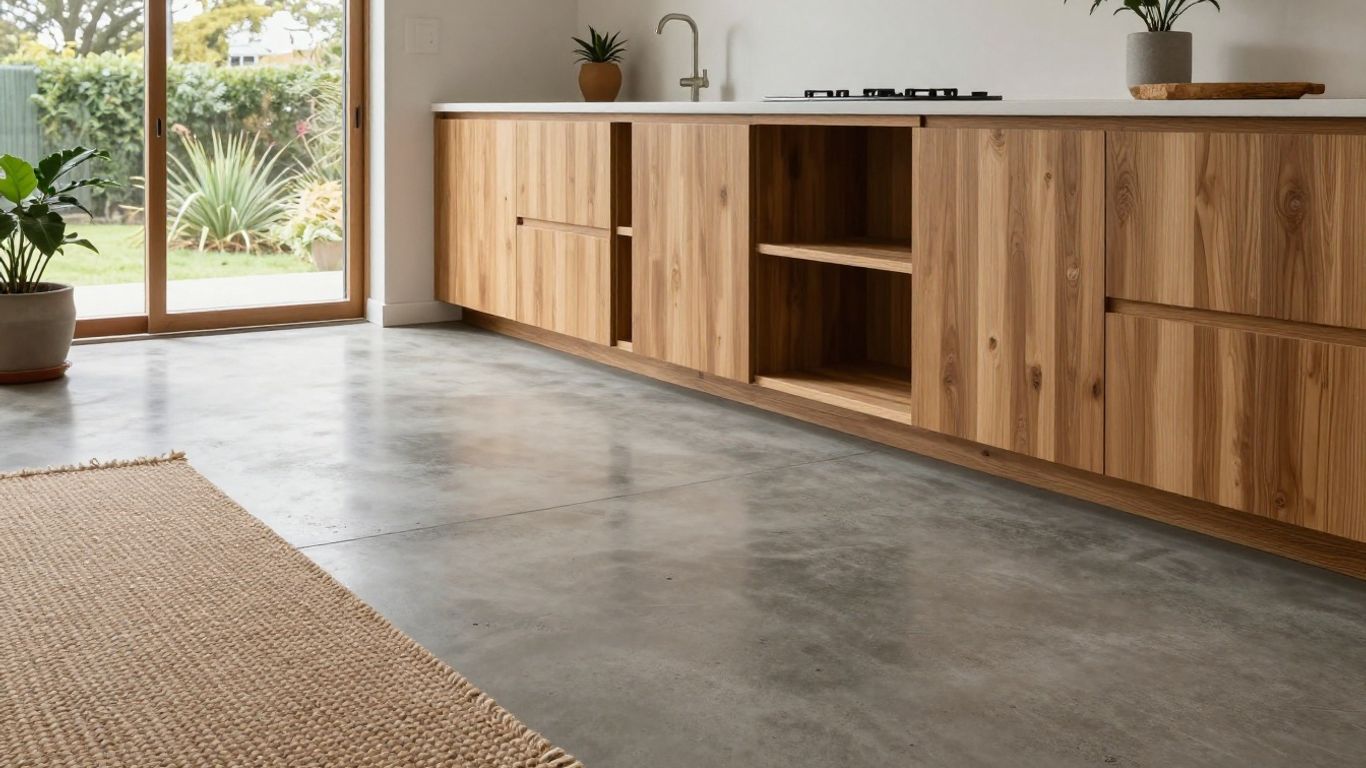
The finish is shaped by several decisions: how much aggregate is exposed, how far the slab is cut, and how much sheen is wanted. Concrete placement and curing also matter, so a reference image is not a promise of an identical result. Choose from physical samples where possible, and use the slab itself to guide the final call.
Choosing a gloss level
Polished concrete can range from a softer, low-sheen appearance to a more reflective finish. Gloss changes how light moves across the room, but it does not make an uneven slab uniform. Think about daylight, artificial lighting, and the room’s use together; the depth of cut options also affect the visible character of the floor.
Exposed aggregate and decorative effects
A shallow cut may reveal little of the stone within the concrete, while a deeper cut can expose more aggregate and create a bolder, more decorative look. The particular mix and placement influence what appears, which is why a sample grind on the actual slab can be more useful than a generic example. As an approved PeterFell C2 applicator, Grinding Dynamics can help customers consider the system in relation to their project and slab.
Color, stains, and surface variation
Color can come from the concrete mix and its materials, and the cut depth and sealer influence how that color reads. Natural variation is part of the material: trowel marks, aggregate distribution, and differences in the pour may remain visible. For a new slab, decide on the color before concrete is ordered and confirm it with a physical sample; an overview of choosing concrete color explains why those early decisions matter.
Matching the finish to your space
A quiet, fine-aggregate finish may suit a home interior, while a more pronounced stone exposure can make sense where a stronger visual pattern is wanted. The right choice also depends on traffic, cleaning expectations, light, and how the room connects with adjacent surfaces. A test grind gives you a more grounded basis for choosing than a photograph alone.
How the polishing process works
Polishing starts with an assessment of the slab and the intended finish, not with a one-size-fits-all sequence. Grinding removes surface material in stages; repairs, densification, and sealing are considered along the way. For an outline of the floor transformation process, keep in mind that the slab’s starting condition can change the work required.
Assessing the existing concrete slab
The first step is to understand what is present: the concrete’s condition, any coatings or coverings, cracks, and the likely depth of cut. A sample grind can reveal aggregate and show how the slab responds. Grinding Dynamics is an approved PeterFell C2 applicator, and the system should be discussed in the context of the actual floor rather than assumed to produce a particular appearance.
Grinding and repairing the surface
Diamond grinding removes the surface in controlled stages and prepares the concrete for the selected finish. Cracks, holes, old adhesive, and changes in level may need attention, but repairs can remain visible because they are part of the existing slab’s history. Where the floor is covered or uneven, an assessment helps identify whether polishing is suitable or whether a different treatment is more realistic.
Applying densifiers and polishing
A densifier is used during the polishing sequence to harden the concrete surface, followed by progressively finer grinding and polishing steps. The exact sequence depends on the slab and the chosen level of exposure and sheen. This is where the desired look needs to stay in balance with the concrete’s condition and the practical demands of the space.
Sealing and allowing the floor to cure
Sealing helps protect the finished surface, and the appropriate sealer depends on the floor’s use and exposure. Allow time for the work and any products used to cure in line with the project plan; don’t assume a floor is ready for full use immediately after polishing. If the project is at the planning stage, a builder’s planning guide can help coordinate the timing and care of the slab.
What affects the cost
There is no useful single rate that can describe every polished concrete floor. A quote depends on the area, access, slab condition, repair needs, and chosen finish, among other project details. A site visit makes it easier to define the scope and compare like with like; see these polished concrete cost factors when preparing questions.
Floor area and project complexity
Larger floors may allow work to be carried out more efficiently, while a smaller or divided space can involve more edge work and changes in setup. Room shape, access, furniture removal, and adjoining areas can also affect the time involved. Ask whether the estimate accounts for the whole floor, including edges and transitions, rather than only its central area.
Slab condition and repair requirements
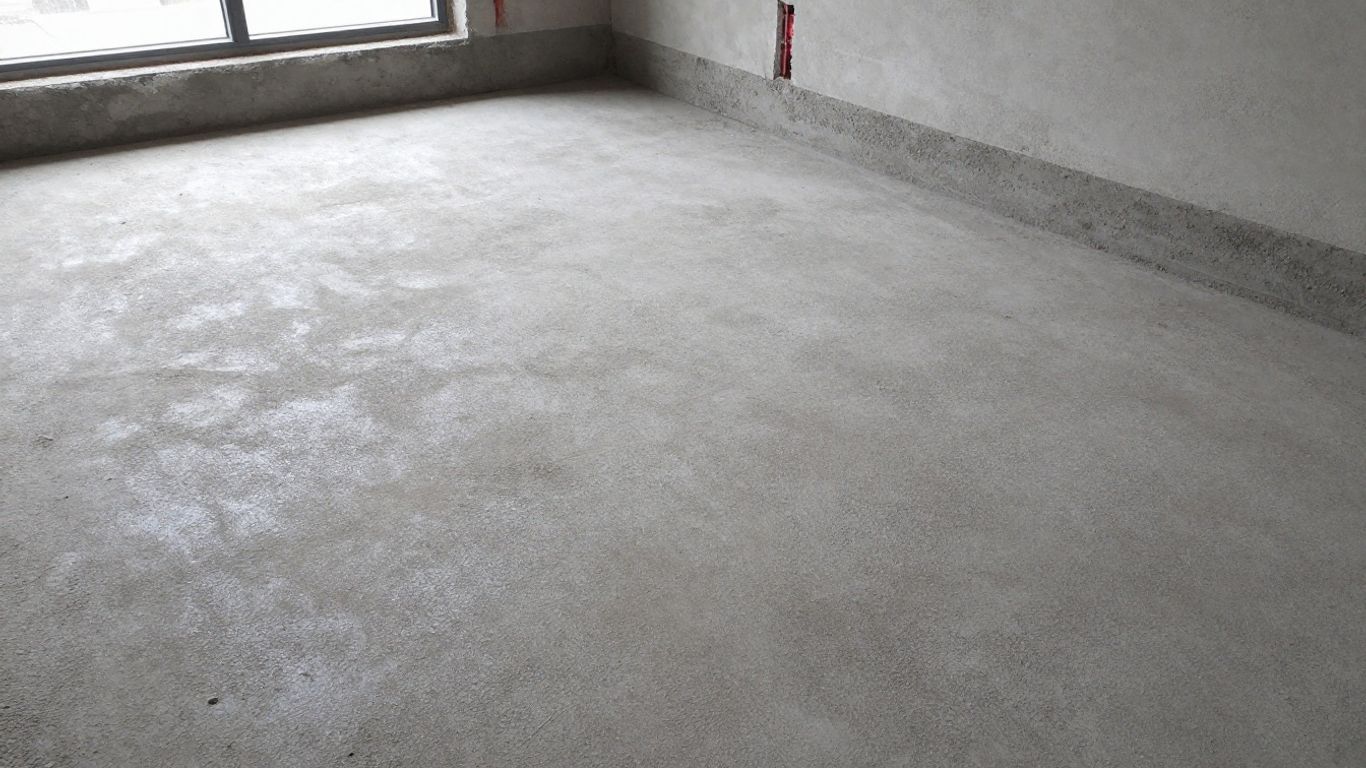
An existing slab may have coatings, glue, cracks, patching, unevenness, or moisture concerns that change the preparation needed. These conditions can affect both the finish that is achievable and the time required. A slab suitability guide is useful background, but an on-site assessment is the way to understand the specific floor.
Finish level and aggregate exposure
The amount of material removed and the amount of aggregate revealed both influence the work involved. A deeper cut may require more grinding, and a more reflective finish usually involves additional polishing stages. Discuss the desired exposure and sheen together, since they are connected choices rather than separate visual add-ons.
Comparing quotes and scope of work
Quotes are easier to compare when they describe the same work. The table below gives a few useful points to check before you decide; the details should be clear enough to show what is included and what may be treated as additional work.
| Quote item | What to clarify | Why it matters |
|---|---|---|
| Preparation | Grinding, coating removal, and repairs | Existing conditions can change the scope |
| Finish | Cut depth, aggregate exposure, and sheen | These choices shape appearance and effort |
| Protection | Sealer type and application | Use and exposure influence the selection |
| Site logistics | Access, edges, and cleanup | Constraints can affect time and cost |
A written scope makes it easier to spot gaps, such as repairs or sealer being excluded. If two quotes describe different finish levels or preparation, the lower figure may not represent the same outcome.
Preparing a site for installation
Good preparation gives the polishing work room to proceed and reduces avoidable delays. For a new build, involve the floor contractor before the pour so the slab, access, and timing can be discussed. For an existing room, the key questions are whether the concrete is suitable and what needs to move or be protected.
Checking whether the slab is suitable
The slab’s age, condition, coverings, and repair history all help determine whether it can be polished. Concrete generally needs to be at least 28 days old before polishing, and the actual floor still needs to be assessed. A site visit and test area can set more realistic expectations about visible aggregate, variation, or limitations.
Clearing rooms and protecting nearby areas
Remove furniture and loose items from the work area, and plan how adjoining finishes, doorways, and fixed fittings will be protected. The amount of clearing depends on the room layout and the work being carried out. Before the crew arrives, agree on what must remain in place and who is responsible for moving it.
Planning around dust, noise, and access
Grinding involves machinery and noise, and the site needs suitable access for equipment and materials. Discuss dust management and protection measures before work starts, especially if other parts of the building will remain in use. A short pre-start check can make the day run more smoothly:
- Clear the floor and remove movable furniture.
- Confirm access, parking, and a route for equipment.
- Protect adjoining areas and finishes as agreed.
- Keep other workers and occupants clear of the work zone.
These simple steps help avoid interruptions and keep the work area defined. Confirm the details with the contractor, since requirements vary with the building and project scope.
Coordinating work with other trades
Polishing usually works best when planned around the rest of the build rather than fitted in as an afterthought. Agree on the order of work with builders and other trades, including when the slab will be poured, protected, and ready for grinding. Leave room in the schedule for curing, polishing, sealing, and the contractor’s handover advice.
Caring for polished concrete
Routine care is straightforward, but the right habits help preserve the floor’s appearance. Grit can scratch the surface, and spills left sitting may affect the sealer or concrete. Follow the care advice provided for the specific finish and sealer, particularly in areas that see frequent traffic or moisture.
Everyday cleaning and suitable products
Regular dust removal helps keep grit from being dragged across the floor, and damp mopping can take care of everyday dirt. Use a cleaning product suited to the sealer rather than an aggressive product that might affect it. For practical advice on caring for concrete floors, match the routine to the finish and how the room is used.
Preventing scratches and stains
Entry mats can help catch grit, while felt pads under furniture reduce direct abrasion when items are moved. Clean spills promptly, especially oil or strongly colored liquids, and avoid dragging heavy objects across the floor. These measures are simple, but they can reduce the wear that accumulates in everyday use.
Maintaining the surface over time
The surface may need maintenance as traffic and exposure take their toll, and the timing depends on how the floor is used. Keep to the sealer maker’s care guidance and ask a flooring professional before applying a new product. A quick check for dull areas, persistent marks, or changes in water behavior can help you decide whether advice is needed.
Addressing wear or damage
Small marks and areas of wear do not necessarily mean the whole floor needs major work. First identify whether the issue is in the sealer, the concrete surface, or a repair, because the appropriate response differs. A sample assessment can help clarify what can be improved and what variation is likely to remain.
Choosing a Tauranga concrete polishing contractor
A good contractor should explain how the existing slab affects the result and be clear about what the quote includes. Ask how the proposed finish will be assessed, what preparation is expected, and how the site will be protected. Local experience matters, but a clear process and realistic discussion of limitations matter just as much.
Questions to ask about experience and process
Ask how the slab will be assessed, whether a sample grind is possible, and what factors could alter the proposed finish. You can also ask about curing time, sealing, site access, and how the work fits around other trades. Grinding Dynamics is Tauranga-based, has 25 years of combined experience, and is an approved PeterFell C2 and TextureSafe applicator.
Reviewing samples and completed projects
Photos can help you understand the range of possible finishes, but they cannot predict precisely how your slab will look. Ask to see a sample on the actual concrete, especially when aggregate exposure or color is a key part of the decision. The local concrete polishing overview offers general background, while a test grind is more useful for judging your own floor.
Confirming warranties, timelines, and cleanup
Get the expected work dates and sequence in writing, including any time needed before the floor can be used. Clarify what warranty or aftercare information is provided, and what cleanup is included at handover. It is also worth confirming who will communicate if the slab reveals unexpected conditions during preparation.
Checking that the quote covers your requirements
Before accepting a quote, check that it names the selected finish, preparation, repairs, sealer, and site requirements. Grinding Dynamics can provide a site assessment and written quote, giving the project a defined basis for discussing scope and expectations. If a detail matters to you, such as a particular level of aggregate exposure, make sure it is recorded rather than left to assumption.
Conclusion
Polished concrete can be a practical, distinctive floor in Tauranga, but the slab sets many of the limits and possibilities. Take time to assess the concrete, look at samples, and agree on the finish, preparation, sealing, and schedule before work begins. With clear expectations and sensible care, you can choose a floor that suits both the space and the way it will be used.
Frequently Asked Questions
How much does polished concrete cost in Tauranga?
Cost depends on floor area, access, slab condition, repairs, and the finish requested. An on-site assessment and clearly scoped quote are the best ways to understand the likely cost for a particular floor.
Can an existing concrete slab be polished?
Many existing slabs can be polished, but their condition, coverings, cracks, and moisture can affect suitability and the result. A site assessment and test grind help establish what is realistic.
How long does concrete need to cure before polishing?
Concrete generally needs to be at least 28 days old before polishing. The project team should confirm timing based on the slab and the work sequence.
Can I choose how much aggregate shows?
You can discuss the desired exposure, but the aggregate visible after grinding depends on the concrete mix, placement, and the depth of cut. A test grind on the slab helps you make an informed choice.
Is polished concrete slippery when wet?
A polished floor can become slippery when wet, so consider the conditions and intended use of the area. For wet or exposed spaces, ask about a suitable textured concrete finish designed to provide grip.
How should I clean polished concrete?
Remove grit regularly and use a damp mop with a product suitable for the sealer. Clean spills promptly and follow the care instructions for the specific floor.
How long does polished concrete installation take?
Timing varies with the floor area, preparation, repairs, finish, access, and curing requirements. Ask for a project schedule that includes preparation, polishing, sealing, and when the floor can return to normal use.