
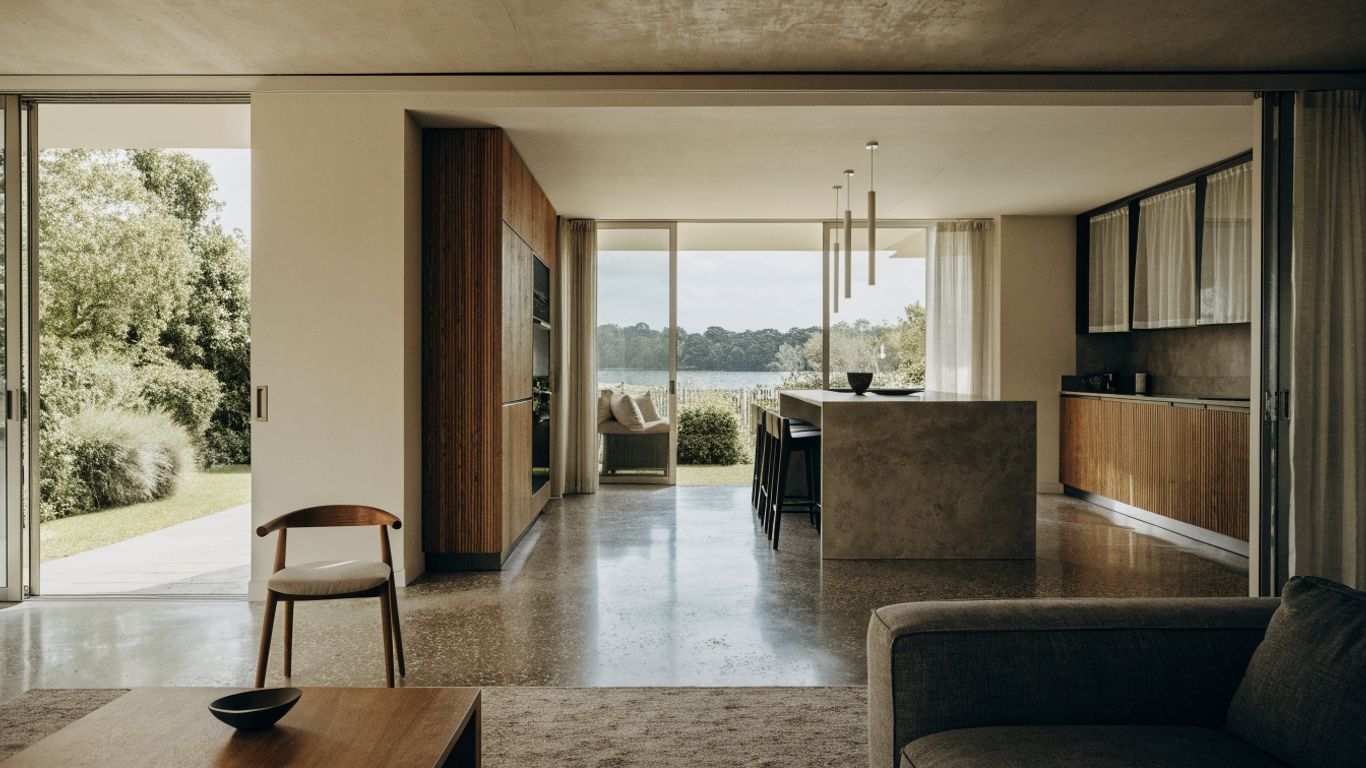
Polished concrete floors Tauranga: a guide to styles, costs, and installation
Explore polished concrete floors Tauranga: finishes, costs, slab preparation, installation, and care.
Published 12 October 2026
Key Takeaways
Polished concrete is shaped by the slab beneath it, the depth of grinding, and the finish selected. A site assessment and sample grind can help set realistic expectations before work begins.
- The concrete slab itself becomes the finished floor; it is not covered with a separate coating.
- Aggregate exposure and sheen are choices, but the slab influences how each finish will look.
- Slab condition, preparation, access, and finish all affect project cost and timing.
- A new build and an existing-floor renovation have different planning needs.
- Regular dust removal, gentle cleaning, and prompt spill care help protect the floor.
What polished concrete floors are
Polished concrete floors Tauranga homeowners consider are made by grinding and refining a concrete slab until it becomes the visible finished surface. The result depends partly on choices such as aggregate exposure and sheen, and partly on the concrete already in place. For a renovation, a site assessment can show what the slab may allow before a finish is promised. Grinding Dynamics offers slab assessments and concrete finishing in Tauranga, where the condition and quality of the pour are central to planning.
How grinding and polishing transform a concrete slab
Grinding uses diamond tooling to remove or refine the upper surface of the slab. The depth of the cut affects how much of the sand and stone within the concrete becomes visible, while successive polishing stages refine the surface and change its sheen. A densifier may also be used as part of a specified polishing system. The precise sequence depends on the concrete and the finish being pursued, so a sample grind on the actual slab is more useful than relying on a generic photograph.
The difference between polished concrete and a coating
With polished concrete, the slab itself remains the floor. Grinding and polishing refine the existing concrete rather than laying a separate decorative layer over it. A coating, by contrast, is a distinct material applied over the slab, and its appearance and maintenance requirements are different. If you are considering a ground and sealed finish rather than a polished one, concrete grinding may also be part of preparation or slab leveling, depending on the project.
What determines the final look and level of sheen
The mix, aggregate, placement, screeding, curing, and existing slab condition all influence the final appearance. Grinding depth determines how much stone is revealed, while the polishing sequence affects how reflective the surface becomes. Even within one room, existing variations in the concrete may remain visible after polishing; the process does not guarantee a perfectly uniform color or pattern. A sample patch helps make those natural variations easier to assess before choosing the finish.
Styles and finishes to consider
Finish selection is a balance between the look you want and what the slab can deliver. Aggregate exposure, polish level, color, and any decorative details each change the visual character of the floor. It is sensible to view physical samples and, where possible, a test grind on the project’s own concrete. The options below describe useful starting points, not a promise that every slab will produce the same result.

Choosing aggregate exposure, from subtle to bold
A shallow grind can leave much of the surface relatively subtle, while cutting deeper may reveal more of the sand and stone within the slab. Local aggregate affects the mix of colors and shapes that appears, so a finish seen in one home may not be replicated in another. A Bay of Plenty aggregate guide can help explain why a test grind is useful when comparing exposure levels. The sample reveals the character of the actual concrete, rather than relying on a general image.
Comparing matte, satin, and high-gloss finishes
Sheen is shaped by the polishing stages and the condition of the surface, not simply selected as a color from a chart. A lower sheen can feel quieter in a living space, while a more reflective finish catches light and may make surface variation more noticeable. There is no single best level: room lighting, the intended use, and tolerance for visible marks all matter. Discussing these points before work starts helps connect the finish to everyday expectations.
Selecting colors and decorative details
The concrete’s cement, aggregate, and any chosen pigment contribute to the finished color. On an existing slab, the available color is largely dictated by the concrete already there; new pours offer more opportunity to plan color, though placement and curing still affect the result. Samples should be viewed in person and in lighting similar to the finished room. If color is being specified for a new slab, concrete color choices are best confirmed before the pour.
Matching the finish to your interior style
A restrained exposure and soft sheen can sit comfortably with timber, natural fabrics, and simple cabinetry. A deeper aggregate cut makes the floor a stronger visual feature and can work well in a spacious, open-plan interior. Let the slab lead: choosing a finish that works with its natural character is usually more dependable than expecting the concrete to imitate a different material. The most successful choice is one that suits both the room and the surface you actually have.
Where polished concrete works best in Tauranga homes
Polished concrete is often considered for spaces where a continuous, hard-wearing floor suits the layout. How well it works depends on the household, the condition of the slab, and the comfort and acoustic qualities you expect underfoot. Tauranga homes also vary in how closely living areas connect with patios, gardens, and garages. Thinking about those transitions early can help clarify where polished concrete is a good fit and where another surface may be preferable.
Living areas, kitchens, and open-plan spaces
In an open-plan room, a polished slab can provide one continuous surface through living, dining, and kitchen areas. Its performance and appearance still depend on the slab and the selected finish, while rugs and furnishings can soften the feel of a room. Kitchens require ordinary attention to spills, especially near sinks and cooking areas. Consider the household’s routines, lighting, and preference for a firm surface before settling on the finish.
Garages, workshops, and other hard-working areas
Garages and workshops can benefit from a concrete surface that is easy to sweep and can be specified with the space’s use in mind. Polishing is not automatically the right treatment for every utility area: vehicle traffic, workshop activities, and exposure to oils or other spills may call for a different ground, sealed, or coated system. Decide what the floor will encounter before selecting a finish. A site assessment can help identify preparation or protection needs.
Considering coastal conditions and indoor-outdoor flow
Where doors open directly to an outdoor area, think about tracked-in water, grit, and salt, as well as how the floor will meet exterior paving. Smooth polished interiors and textured outdoor surfaces serve different purposes; a wet exterior area may need a finish designed with grip in mind. Mats at entrances and a routine for removing abrasive grit can help protect interior floors. The transition should be planned as part of the overall layout, not treated as an afterthought.
When another flooring option may be more suitable
Concrete is a hard surface, and it may not suit everyone’s preference for warmth, softness, or sound absorption. An existing slab may also have cracks, moisture concerns, or uneven areas that affect the achievable finish and project scope. Before deciding, compare comfort, maintenance, and the condition of the substrate alongside appearance. This flooring options comparison can help frame the trade-offs between concrete and other common choices.
Costs and project factors
The cost of a polished concrete project depends on more than floor area. Slab condition, required grinding depth, repairs, access, and the selected finish can all change the work involved. A renovation may need investigation and preparation that a new-build project avoids, while a new slab needs timely planning before and after the pour. A clear scope makes quotes easier to compare and reduces the chance of surprises.
What influences the cost of a polished concrete floor
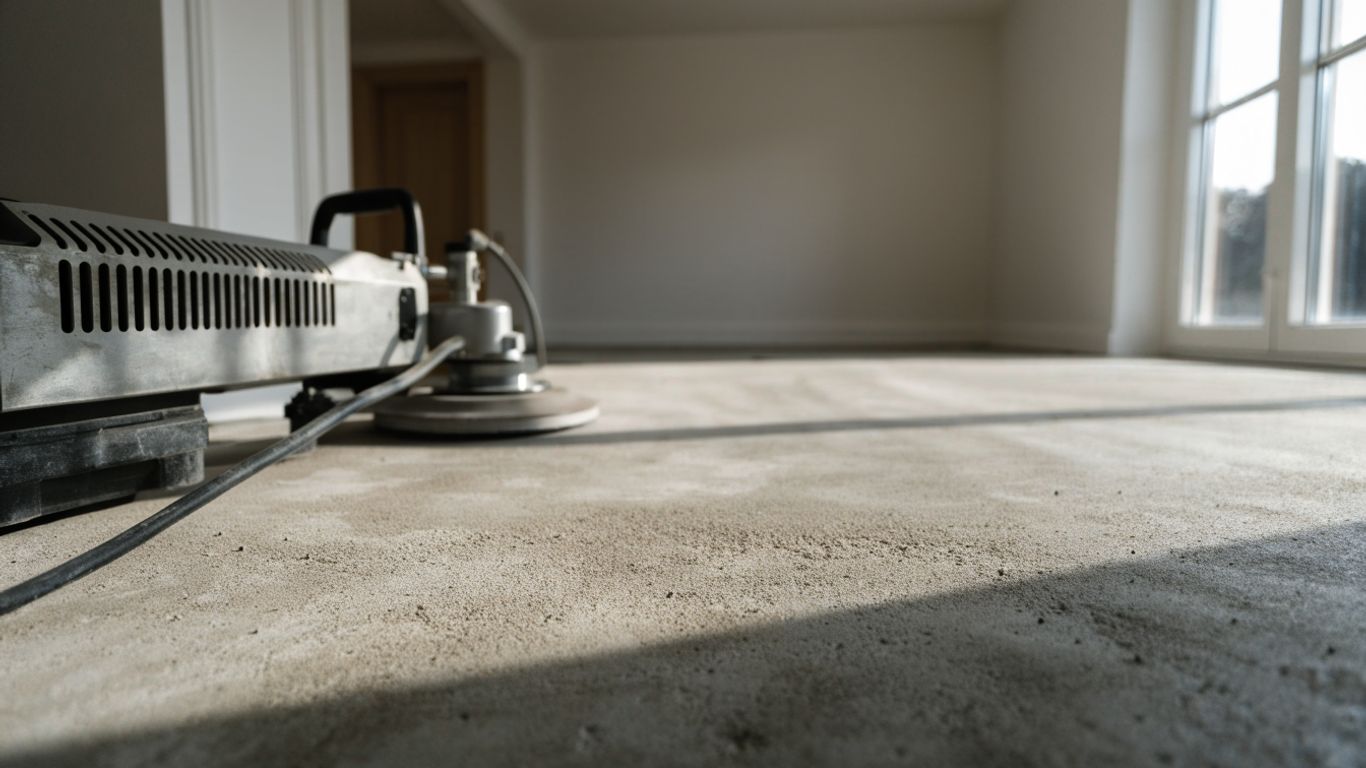
Quotes can vary because the work itself varies: a light refinement is not the same scope as deeper grinding, crack repairs, or extra preparation. Access and room layout may also affect how equipment can be used. To make the differences easier to discuss, consider what each quote says about the finish and included work.
| Project factor | Why it can affect the quote |
|---|---|
| Slab condition | Repairs or extra preparation may be needed. |
| Grinding depth | Deeper cuts involve a different scope of work. |
| Finish and sheen | Different specifications require different processing. |
| Access and layout | Room shape and site access can affect the work. |
Compare quotes on the stated scope, not just the total. This Tauranga polished concrete cost guide covers factors such as slab condition, grinding depth, repairs, access, and sealer, which are useful points to clarify with an installer.
How slab condition and preparation affect the scope
Cracks, uneven levels, old coverings, glue, and previous repairs can all influence preparation. Some issues may be addressed through grinding or repair, while others affect what appearance is realistic; an on-site inspection is needed to judge the particular slab. A test patch can reveal aggregate and surface variation before the full floor is processed. For existing concrete, slab suitability for polishing is worth reviewing before setting a budget or choosing a finish.
Comparing new-build and renovation projects
New builds allow decisions about slab placement, protection, and finish to be made before concrete is poured. Renovations begin with an existing surface, so coverings, damage, and access may add uncertainty. For polishing, the concrete must be at least 28 days old; the actual schedule should also account for assessment, preparation, and site conditions. That makes early coordination useful for both homeowners and builders.
Questions to ask when reviewing quotes
A useful quote explains the proposed finish and the work required to achieve it, rather than describing the result with a broad label alone. Ask which preparation and repairs are included, what could change the price, and whether the scope includes any protective treatment. It also helps to confirm when the area must be clear and when it can be used again. These questions make it easier to compare like with like and understand any assumptions.
The installation process
A polished floor is planned around the concrete, the site, and the finish—not just the machine work. The sequence generally moves from assessment and preparation to grinding, polishing, any specified protective treatment, and handover. Each project has its own requirements, particularly when the slab is already part of an occupied home. Clear communication about access and timing helps keep the work practical.
Assessing the slab and planning the finish
The first step is to review the slab’s age, condition, levels, and likely aggregate exposure. A sample grind on the actual concrete can help set expectations for color and stone visibility. Grinding Dynamics is based in Tauranga and offers slab assessments, custom finishes, grinding, and sealing for homes and commercial spaces. Agreeing on the intended finish early gives everyone a clearer reference point.
Preparing the area before grinding begins
The work area usually needs to be cleared of furniture and other items, with adjacent spaces considered for dust and access management. Existing floor coverings or adhesives may need to be removed, depending on the project scope. Confirm what the contractor will protect and what the homeowner or builder should move beforehand. A builder’s planning guide can help teams coordinate slab protection, grinding schedules, and site readiness on a new project.
Grinding, polishing, and applying any protective treatment
Diamond grinding refines the surface in stages, with the depth of cut selected to suit the slab and planned exposure. The concrete is then polished to the specified level; any densifier or sealer depends on the system and project requirements. Grinding Dynamics is an approved Peter Fell C2 applicator; that system is described as using a lithium silicate hardener and protective microfilm. Confirm the products and steps included in a quote, since not every polished floor follows an identical specification.
Understanding project timing and access requirements
Timing depends on the floor area, the condition of the slab, the preparation required, and the finish selected. The concrete’s minimum 28-day age before polishing is one planning factor, but it does not by itself determine how long a project will take. Ask when rooms need to be empty, how access will work during the job, and when the finished floor can be used. A schedule agreed in advance is especially helpful when several trades share the site.
Care and long-term performance
Polished concrete is a durable finished surface, but it still benefits from sensible care. Dust and grit can act abrasively, while spills and heavy furniture deserve attention just as they would on other floors. Cleaning needs depend in part on the finish and any protective treatment used. A straightforward routine helps preserve the floor without making maintenance complicated.
Everyday cleaning and suitable products
Regular dust mopping or sweeping removes grit before it is walked across the floor. For routine cleaning, use a damp mop and a cleaner suitable for the specified surface, following the product directions. Avoid assuming that stronger chemicals will clean better; an inappropriate product may affect a treatment or leave residue. If you are unsure, check the care guidance provided for the floor.
Protecting floors from grit, spills, and furniture marks
Door mats help catch grit at entrances, and felt pads can reduce scratching as chairs and other furniture move. Wipe spills promptly, particularly oils or strongly colored liquids, and avoid dragging heavy items across the surface. In homes with outdoor access, a quick sweep of tracked-in sand or grit can make a noticeable difference to routine care. These small habits are easier than trying to correct avoidable marks later.
When resealing or maintenance may be needed
Whether resealing is needed depends on the specified system, how the floor is used, and its condition over time. A sealer is not a substitute for cleaning, and the right maintenance approach should follow the product guidance for the installed finish. If the floor starts to look dull or becomes harder to clean, ask a flooring professional to assess it before applying a treatment. The appropriate response may be maintenance, resealing, or no additional work.
What to expect as the floor ages and develops character
Concrete naturally varies, and that character remains part of the finished floor. Light, use, and the slab’s own aggregate can make subtle differences more or less noticeable as a room changes. A polished surface should not be expected to look identical to a sample from a different property. Understanding those variations at the start makes it easier to appreciate the floor as it is rather than expecting a manufactured pattern.
Conclusion
Polished concrete can be a practical, considered choice when its finish is planned around the actual slab and the way a space will be used. A site assessment, sample grind, and clearly scoped quote help turn broad style preferences into realistic decisions. With straightforward care and suitable expectations, the concrete itself can provide a distinctive finished floor for years of everyday use.
Frequently Asked Questions
How long does concrete need to cure before polishing?
Concrete should be at least 28 days old before polishing. Project timing can also depend on site conditions, preparation, and the finish being specified.
Can an existing concrete slab be polished?
Often, but the result depends on the slab’s condition, age, previous coverings, cracks, and other factors. An on-site assessment and test grind can help establish what is practical.
Does polished concrete always look the same from one home to another?
No. The mix, aggregate, placement, curing, and condition of each slab affect its appearance, so samples from other properties cannot predict an exact result.
Is polished concrete the same as a coating?
No. Polished concrete is the slab refined to become the finished floor. A coating is a separate material applied over concrete.
What affects the cost of polished concrete?
The slab’s condition, grinding depth, repairs, access, floor layout, and chosen finish can all affect the work required and the quote.
Is polished concrete suitable for wet outdoor areas?
A smooth polished finish may not be appropriate where wet grip is important. Outdoor areas should be assessed for a suitable textured finish and the conditions in which they will be used.
How should polished concrete be cleaned?
Sweep or dust mop regularly to remove grit, then use a damp mop and a cleaner suitable for the specified floor system. Follow any care instructions provided for the finish.